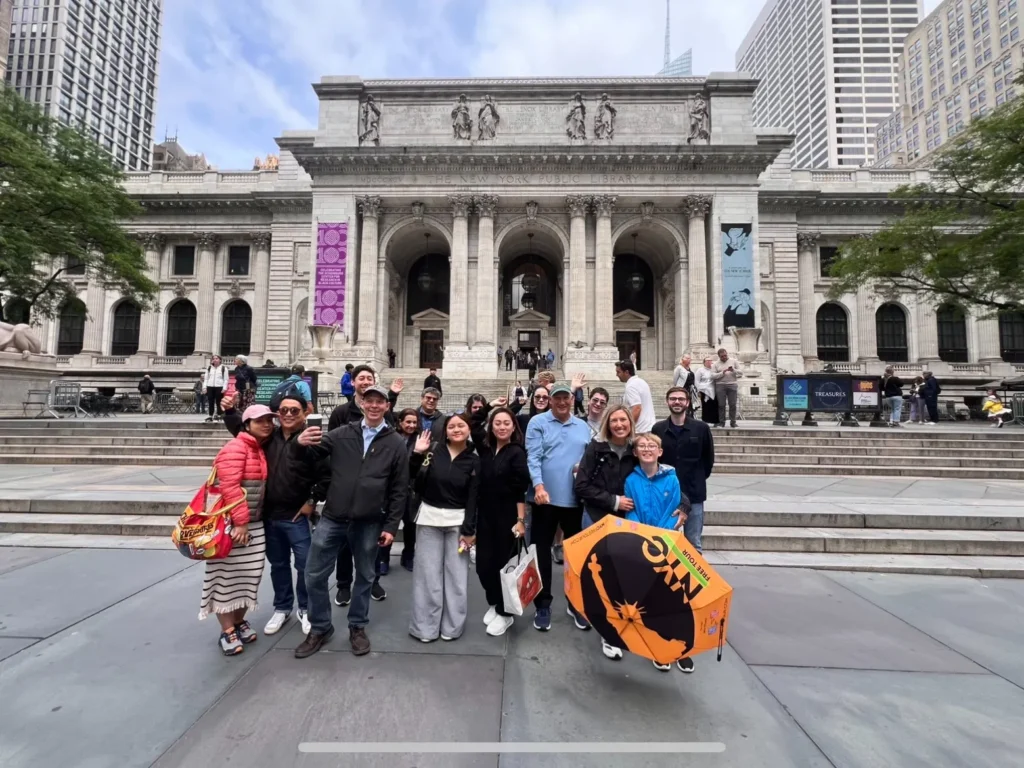
Free walking tours offer budget-friendly, guided explorations that introduce visitors to a city’s history, architecture, and culture without a fixed ticket price, making them ideal for travelers seeking value and local perspective. This guide explains how free walking tours work, what to expect on Midtown Manhattan routes, and practical tips to plan your visit so you get the most from your time in New York City. Many travelers worry about hidden costs or uneven tour quality; understanding the pay-what-you-feel model, typical itineraries, and how to choose experienced local guides removes uncertainty and improves the experience. You will learn which Midtown landmarks are commonly included, how local guides frame stories and architecture, steps to reserve or arrive prepared, and smart tipping and comfort strategies. The article also highlights nearby neighborhoods where free tours expand your view of the city and provides quick-reference tables and checklists for planning. Throughout, target keywords like free walking tours NYC, Midtown Manhattan free walking tour, and pay-what-you-feel walking tour NYC are woven into practical advice to help you confidently explore New York on a budget.
What Are Free Walking Tours in New York City and How Do They Work?
Free walking tours in New York City are guided city tours that operate on an open-pricing model where participants decide the value of the experience at the end, and the tour focuses on storytelling, landmarks, and local context. The mechanism relies on knowledgeable guides who lead groups on foot, explain historical and architectural significance, and provide recommendations while relying on voluntary contributions, which aligns guide incentives with guest satisfaction. This model benefits budget travelers, solo explorers, and culturally curious visitors who want a low-commitment way to discover Midtown Manhattan’s highlights without upfront fees. Expectations are straightforward: our Midtown tour lasts about 2.5 hours, running from Bryant Park to Times Square, and includes multiple stops where guides share narrative-driven insights and photo opportunities. Understanding this structure helps travelers pick tours that match their interests and manage time and tipping expectations before they arrive.
Free walking tours lower barriers to entry while promoting accessible urban learning, and the next section explains how the pay-what-you-feel model enhances accessibility and guide performance.
How Does the Pay-What-You-Feel Model Enhance NYC Tour Accessibility?
The pay-what-you-feel model increases accessibility by removing a fixed price barrier, allowing people with varying budgets to join and learn from local experts who lead the tour. Because payment is voluntary and given at the end, guides are motivated to deliver engaging, well-researched narratives and to tailor the pace and depth to the group’s interests, creating a feedback loop where quality influences compensation. This arrangement also promotes transparency: participants can evaluate the tour’s value before paying, which helps align expectations and reduces the risk of overpaying for an experience that doesn’t meet their needs. For travelers, this model means you can allocate your budget across experiences; for guides, it incentivizes hospitality and adaptability in storytelling. Knowing this, many visitors plan to tip according to satisfaction, group size, and how informative or entertaining the guide was.
This flexible approach to pricing, known as the pay-what-you-feel model, is a recognized strategy that empowers consumers to determine value.
Pay-What-You-Want Pricing Strategy Explained This study discusses the applicability of the “pay-what-you-want” pricing strategy, an innovative approach, during crisis periods in the context of the pandemic. Considering consumer tendencies, it appears that consumers do not always behave rationally from an economic standpoint during crisis periods. The pay-what-you-want strategy assumes that consumers are subject to social interactions and will not always maximize their profit, transferring price control to the consumer, including the option of paying nothing at all. Can Pay-What-You-Want Be an Alternative Pricing Strategy During Crisis Periods?, T Dalgıç, 2015
Which Iconic Landmarks Are Covered in Midtown Manhattan Free Walking Tours?
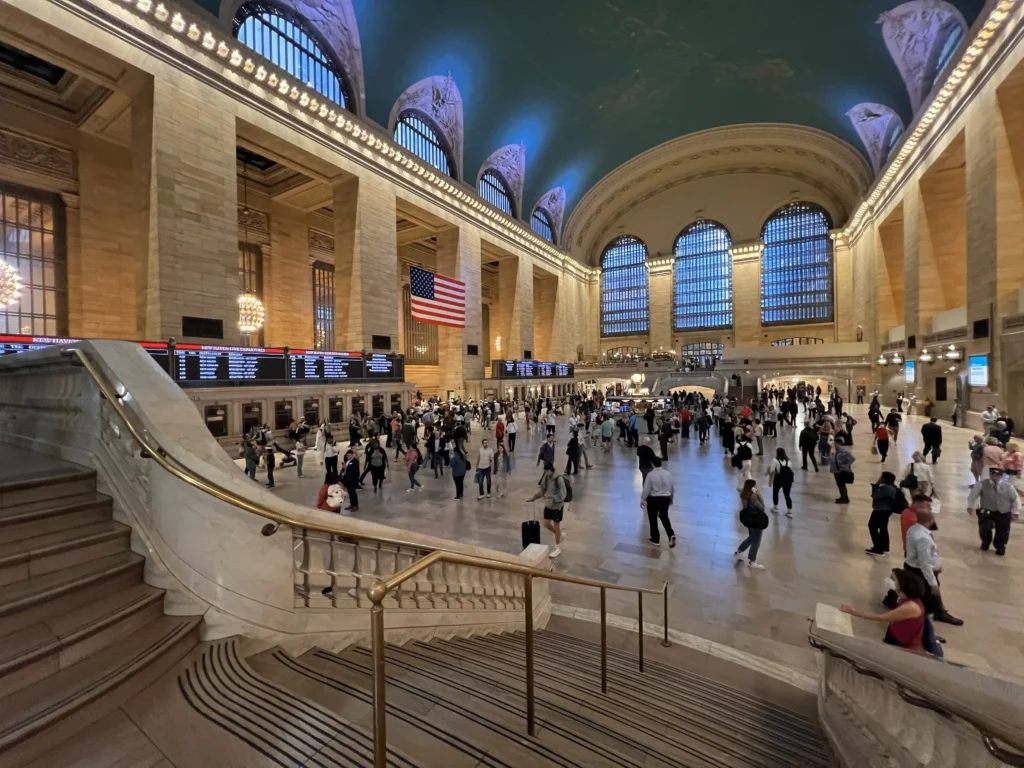
Midtown Manhattan free walking tours typically include a concentrated set of landmarks that showcase public spaces, grand civic architecture, and transportation hubs, giving a compact but rich introduction to the city’s civic and commercial heart. Guides walk groups through parks, libraries, plazas, and plazas of commerce, emphasizing architectural styles, urban planning choices, and cultural anecdotes that connect each stop. These itineraries commonly focus on accessible highlights that are dense in historical and visual interest, enabling visitors to see major sites within the 2.5-hour route while learning layered stories about the city’s development. Below is a concise list and a table illustrating typical Midtown stops and what visitors see at each location.
Bryant Park: a landscaped urban green space with seasonal programming and notable public use design.
New York Public Library (Stephen A. Schwarzman Building): Beaux-Arts architecture with grand reading rooms and sculptural details.
Grand Central Terminal: Historic transportation hub with celestial ceiling, concourses, and transit history.
J.P. Morgan Building: A historic financial landmark reflecting early 20th-century banking power and architecture.
Fifth Avenue and St. Patrick’s Cathedral: A Gothic Revival landmark framed by one of the city’s most famous shopping corridors.
Rockefeller Center: Art Deco complex featuring public art, plazas, and discussion of 1930s corporate urbanism.
Broadway: The storied theater corridor known for its marquees and entertainment history.
Times Square: A commercial crossroads known for signage, entertainment history, and media culture.
Introductory table: a quick EAV snapshot helps visualize why each stop matters.
Landmark | Type | Why Visitors Notice It |
|---|---|---|
Bryant Park | Public park | Seasonal programming, lawn design, and urban respite |
New York Public Library | Library / Beaux-Arts building | Grand reading rooms, ornate façade, cultural collections |
Grand Central Terminal | Transportation hub | Iconic celestial ceiling, historic concourse, transit significance |
J.P. Morgan Building | Financial landmark | Historic banking architecture and early 20th-century financial power |
Fifth Avenue & St. Patrick’s Cathedral | Religious landmark / shopping corridor | Gothic Revival architecture framed by upscale storefronts |
Rockefeller Center | Cultural/Commercial complex | Art Deco architecture, public art, and plaza spaces |
Broadway | Entertainment corridor | Theater marquees and entertainment history |
Times Square | Commercial landmark | Media signage, entertainment history, bustling public atmosphere |
This table clarifies each stop’s role on a Midtown route and helps travelers choose photo spots or accessibility-friendly options before joining a tour.
What Historical and Architectural Highlights Will You See at Bryant Park and New York Public Library?
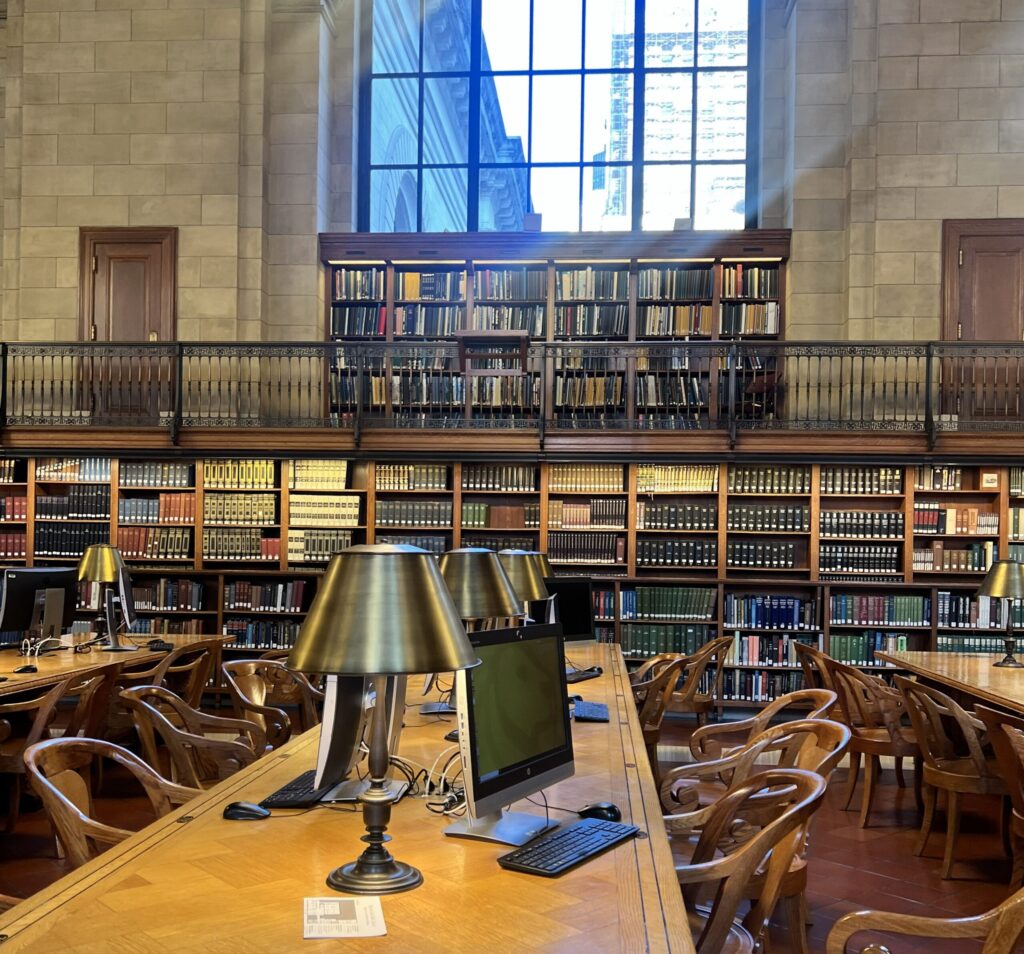
Bryant Park and the New York Public Library together exemplify Midtown’s civic ambitions—one as a revitalized public space and the other as an institutional monument to knowledge and Beaux-Arts design. At Bryant Park, guides highlight the park’s reclamation as an active, programmed urban commons with seasonal markets, lawn vistas, and surrounding architecture that frames pedestrian life; anecdotes often reference how urban design choices revived its safety and popularity. Moving to the New York Public Library, commentary typically centers on the library’s sculptural façade, the Rose Main Reading Room, and architectural elements that symbolize early 20th-century civic pride and philanthropic investment in public learning. Guides often weave short archival stories or artist anecdotes to humanize the buildings, such as tales about famous readers, notable exhibitions, or preservation campaigns that keep these sites relevant. These stops give visitors tangible examples of how architecture and civic programming shape daily urban experience.
Indeed, urban walking tours are a powerful tool for built environment education, helping participants connect with the architectural heritage around them.
Urban Walking Tours for Architectural Heritage Education Built Environment Education (BEE) plays an important role in urban sustainability as citizens who are more aware of the surrounding architectural heritage have better opportunities to develop a sense of place and place attachment. Themes and stories make the architectural fabric of a city more legible that is why urban walking tours are such a popular format for BEE initiatives. These experience-based educative events are originally constructed for visitors (mainly tourists) of a city to receive in-situ impressions of the built heritage during their visit. The Urban Walking Tour as an Experience-based Methodology for Built Environment Education in Budapest, J Klaniczay, 2024
Why Choose Local Guides for Your Free Walking Tour in Midtown Manhattan?
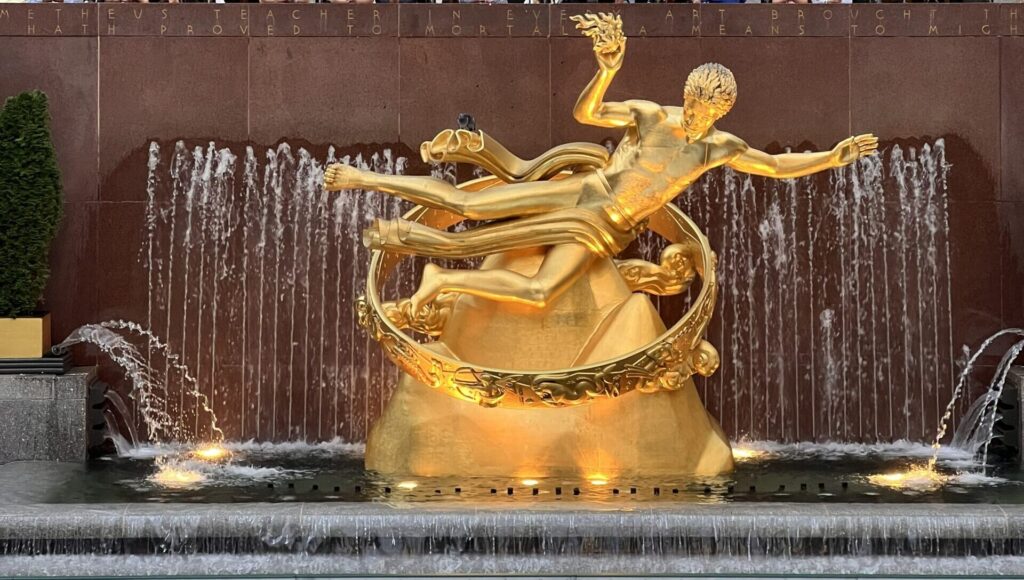
Local guides bring context, cadence, and curiosity to a walking tour, transforming a sequence of landmarks into a coherent story that connects architecture, commerce, and neighborhood life. A local guide’s deep familiarity with transit patterns, side-street histories, and community anecdotes enables them to adjust narratives for different audiences—history buffs, architecture fans, or first-time visitors—making the tour feel personalized rather than scripted. Local guides also act as interpreters of urban fabric: they explain design decisions, point out meronyms like facades and plazas, and link those details to broader themes like economic development or cultural trends. Choosing a local guide improves safety awareness, provides timely recommendations for nearby places to eat or explore, and often surfaces hidden gems that larger commercial tours overlook. The next subsection explains how guides share these local stories and adapt to group interests.
How Do Local Guides Share Unique NYC Stories and Cultural Insights?
Local guides share unique stories by combining researched history with lived experience, using narrative techniques that balance dates and facts with personal observations and sensory details. They often answer specific visitor questions—about building ornamentation, neighborhood transformations, or lesser-known historical figures—then tie those answers back to the city’s broader narrative, creating semantic triples such as: “Grand Central [entity] showcases [relationship] Beaux-Arts civic ambition [entity].” Guides customize pacing and content based on group interest, slowing at architectural highlights or speeding through commercial corridors, which enhances engagement. Typical guide techniques include using comparisons to modern life, pointing out meronyms like decorative reliefs or plaques, and recommending follow-up visits to nearby museums or parks. This tailored storytelling helps visitors internalize information and leaves them equipped to explore further on their own.
The profound impact of knowledgeable guides in interpreting cultural heritage and making cities more accessible to both tourists and locals is widely acknowledged.
The Role of Tourist Guides in Cultural Heritage Interpretation Tourist guides are professionals who present the sights and explain the characteristics of a geographically and culturally defined area (tourist destination) to groups and individual visitors. A lot of people view guided group tour as an appealing experience, because it offers knowledge, fun and an opportunity for socializing. Informality of this setting makes it an efficient medium for conveying important messages to participants, not only to tourists but also to local people. The interpretive tour enables residents to get to know certain areas in their town better and become deeply interested in monuments of history with the help of an experienced and educated guide. Tourist guides as cultural heritage interpreters: Belgrade experience with municipality-sponsored guided walks for local residents, B Rabotić, 1998
How Can You Plan and Book Your Free Walking Tour in Midtown Manhattan?
Planning and booking a free walking tour involves a few simple steps: choose a route and language that matches your schedule, confirm the meeting point, and arrive early with comfortable shoes and weather-appropriate gear. Our Midtown tours run every day in English and Spanish, with no reservation fee, and still honor the pay-what-you-feel payment at tour end, a balance that preserves accessibility while allowing operational planning. You can book a tour on our website nycfreetour.com
When selecting a tour time, consider duration, distance, and the guide’s focus, whether architectural details, social history, or urban design, so your expectations align with the experience. Preparing this way reduces stress, ensures you find the correct meeting place, and helps you allocate time for transit or post-tour exploration.
Introductory facts table: quick planning details you can use before you go.
Meeting Point | Schedule | Languages Offered | Approx. Duration |
|---|---|---|---|
Next to Bryant Park, at the crossroads of 42nd Street and 6th Ave (outside the park, on the 6th Ave side by the fence, not inside the park) | English departs daily at 10 AM; Spanish departs daily at 10:30 AM and 3 PM | English and Spanish | Approximately 2.5 hours |
Our daily Midtown tour runs 2.5 hours and ends at Times Square, on 48th Street and 7th Ave, giving guests a natural stopping point for photos or continued exploration. The tour operates in English and Spanish and uses a pay-what-you-feel model, which illustrates how an accessible schedule and multilingual offerings make these tours practical for a wide audience. Knowing these specifics lets you choose a tour that fits your itinerary and language preference.
What Are the Meeting Points, Schedules, and Languages Offered?
Meeting points, schedules, and language options follow a clear, consistent pattern. The English tour departs daily at 10 AM, and the Spanish tours depart daily at 10:30 AM and 3 PM, all gathering at the same spot: next to Bryant Park, at the crossroads of 42nd Street and 6th Ave. The meeting point is outside the park, on the 6th Ave side next to the fence, not inside Bryant Park itself, so look for your guide along the avenue rather than on the park’s interior paths. Arriving ten minutes early is a recommended habit to secure a good spot and hear the full introduction. If accessibility or mobility considerations matter, ask your guide about route terrain before the tour begins to ensure a comfortable experience.
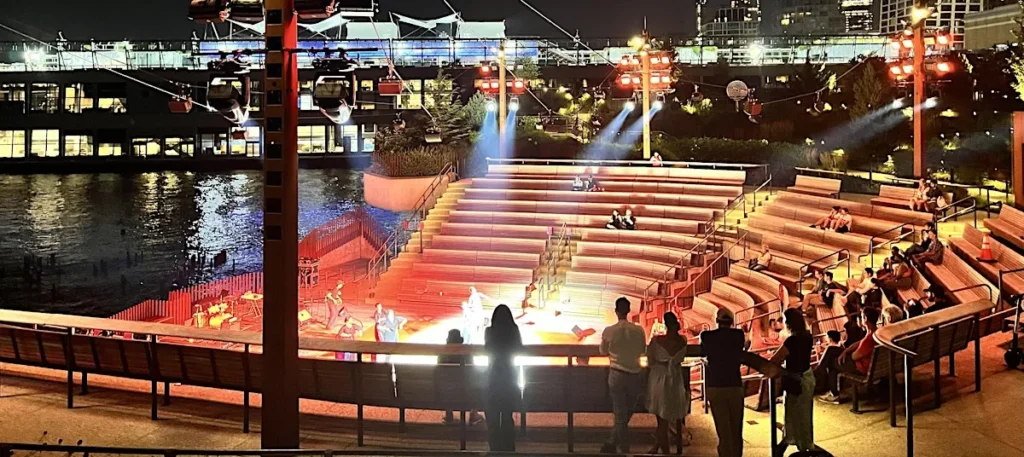
For travelers interested in a different pace and scenery, a separate High Line and Little Island tour departs at 5:30 PM from Pier 84, running on selected days. This tour follows an elevated park and waterfront route distinct from the Midtown landmarks itinerary, offering a scenic evening alternative for those who want to see a different side of the city. The route covers:
Pier 84: the departure point along the Hudson River waterfront.
The Waterfront: scenic river views and West Side park landscaping.
Hudson Yards: a modern mixed-use development showcasing contemporary architecture.
The Vessel: the honeycomb-like sculptural landmark at the heart of Hudson Yards.
Little Spain: a dining and culture stop that also serves as a restroom break.
High Line: the elevated park built on a former rail line, known for gardens and skyline views.
Oreo Factory: a stop highlighting the site’s industrial history.
Little Island: the park’s final stop, a floating green space on the Hudson River known for its sculptural piers and performance spaces.
What Are the Best Tips for Enjoying Budget-Friendly Free Walking Tours in New York City?
To get the most from a free walking tour, prepare with practical gear, arrive ready with questions, and plan tipping in line with the value you receive—this approach ensures comfort and supports the guide’s work. Comfortable walking shoes, a small water bottle, and layered clothing handle seasonal weather shifts and urban walking conditions; asking thoughtful questions during stops turns passive listening into an interactive learning moment that often yields tailored recommendations. Tipping etiquette is part of the experience, and approaching it with a plan helps you decide an appropriate contribution based on group size, guide quality, and tour length. These practical steps maximize learning, enjoyment, and fairness, and the table below provides quick expectations and suggested actions to prepare.
Introductory tips table: clear actions to guide your planning and tipping decisions.
Topic | Typical Expectation | Suggested Action |
|---|---|---|
Tipping | Voluntary at tour end; varies by satisfaction | Budget a tip based on guide effort and group size |
What to Bring | Water, comfortable shoes, sunscreen or umbrella | Pack light but prepared for weather and walking |
Interaction | Tours reward questions and curiosity | Ask specific questions and request photo tips |
How Much Should You Tip and What Should You Expect on a Free Tour?
Tipping on a free walking tour reflects perceived value, guide expertise, and group circumstances; recommended ranges vary but are guided by fairness and local norms. For small-group tours with exceptional guides, many participants tip an amount that reflects a traditional paid tour rate prorated by quality—practical examples break tipping into low, average, and generous ranges tied to satisfaction and budget. Factors that influence tip size include group size (individual contributions often decrease as group size grows), the depth of commentary, and any extra services the guide provides such as personalized recommendations or extended Q&A. How to tip practically: have cash available for immediate handoff or ask the guide about a discreet collection method; some operators may accept digital tips but always check beforehand. Setting a mental tipping guideline before the tour helps you respond fairly to the experience and support local guides.
Where Can You Explore More Free Walking Tours Beyond Midtown Manhattan?
Free walking tours extend throughout New York City and offer distinct themes depending on neighborhood character, from financial history in Lower Manhattan to natural and sculptural highlights in Central Park and skyline views along the Brooklyn Bridge corridor. Exploring beyond Midtown allows you to compare neighborhood narratives and architectural vocabularies: Lower Manhattan focuses on commerce and memorial sites, Central Park emphasizes landscape design and cultural monuments, while walking across the Brooklyn Bridge connects engineering history with waterfront vistas and the creative energy of DUMBO. These neighborhood tours use many of the same pay-what-you-feel mechanics but shift the interpretive lens to local stories, making them valuable for repeat visitors or those wanting a deeper, area-specific experience. Below is a brief list of neighborhood highlights to consider for your next free tour.
Lower Manhattan: financial district landmarks, historic streets, and memorials.
Central Park: natural landscapes, designed vistas, and iconic sculptures.
Brooklyn Bridge & DUMBO: engineering history, river views, and photography points.
What Are the Highlights of Free Tours in Lower Manhattan, Central Park, and Brooklyn Bridge?
Lower Manhattan tours often highlight Wall Street’s financial legacy, historic commercial architecture, and memorial sites that reflect national and local history, offering a compact yet profound civic narrative. Central Park tours focus on landscape architecture, designed viewpoints, and cultural installations such as sculptures and formal gardens, explaining how a planned urban green space shapes recreational life and city ecology. Brooklyn Bridge and DUMBO tours emphasize engineering triumphs, waterfront development, and photography spots that capture the Manhattan skyline, while guides provide context about bridge construction and neighborhood transformation. Each neighborhood tour uses local stories and architectural details to create a coherent theme, and choosing among them depends on whether you want financial history, natural landscapes, or panoramic urban views.