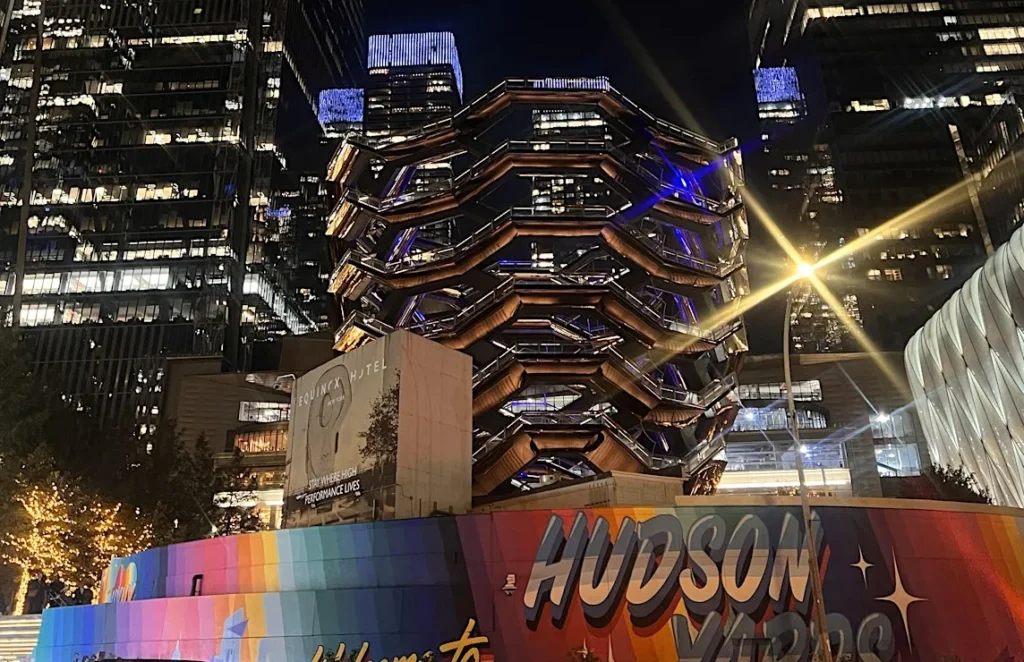
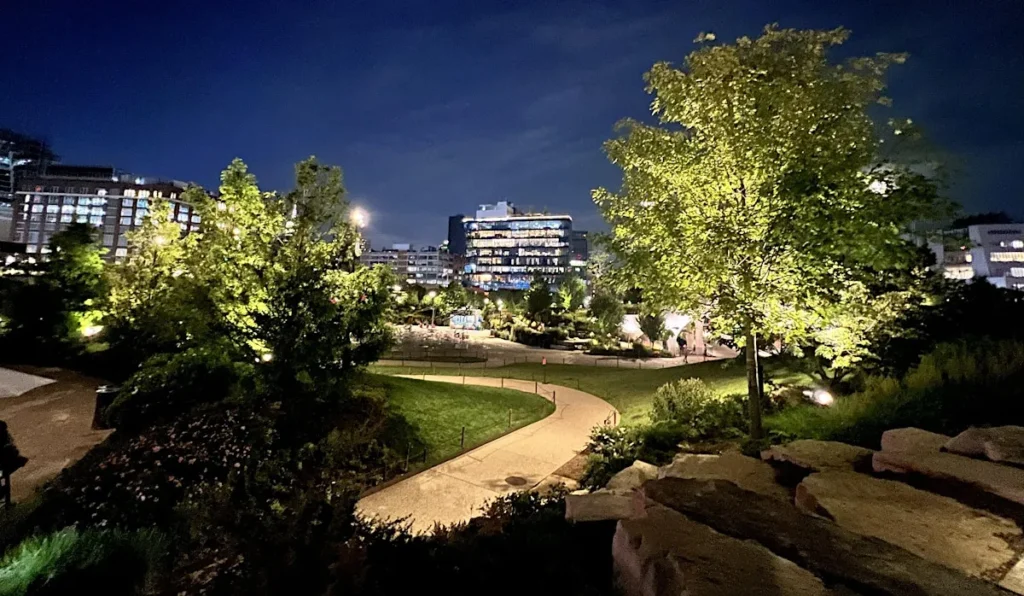
High Line walking tours trace a former elevated railway turned park, stretching from Gansevoort Street through Chelsea, blending art installations, gardens, and industrial history. Guests explore repurposed rail tracks, skyline views, and public art while learning how the 1930s freight line became a celebrated green space above Manhattan’s streets.
Key Takeaways
The High Line transformed from a 1930s freight rail line into Chelsea’s elevated park and cultural destination.
Free docent-led tours operate Wednesdays and Saturdays, 10–11:30am, offering insider perspectives on park history and design.
Chelsea’s High Line walking tours explore the neighborhood’s vibrant architecture, art scene, and preserved industrial heritage together.
Our Official NYC Free Tour earns consistent 5-star TripAdvisor ratings from visitors exploring Manhattan’s most iconic neighborhoods.
What Is the High Line's History and Transformation?
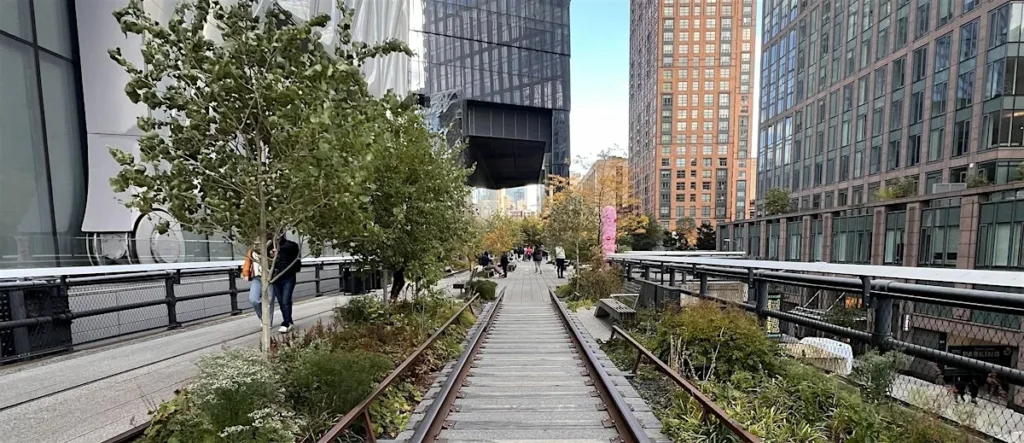
Freight trains, not flowers, once defined this stretch of elevated track above Manhattan’s west side. The High Line transforms a former elevated railway into a vibrant green space, blending nature, art, and history into a single corridor above the streets. That shift from industrial infrastructure to public park forms the backbone of any high line tour, and understanding it changes how visitors see every bench, planting bed, and steel rail along the path.
Why Was the High Line Built in the First Place?
The rail line’s original purpose had nothing to do with leisure. Built to carry raw goods and products down from upstate New York, the structure kept dangerous freight traffic off street level in a dense manufacturing district. Decades later, after the trains stopped running, the tracks sat abandoned, left to rust and gather wild grasses until a push to save and repurpose them took hold.
That rescue effort matters to anyone researching a high line walking tour or planning walking the high line independently. It explains the park’s unusual layout: narrow, linear, and threaded directly through the buildings it once served.
How Does the High Line Fit Into Urban Planning History?
The conversion reflects a pattern seen across former industrial cities. Converting an obsolete railway into usable public space exemplifies a broader planning trend favoring adaptive reuse over demolition, preserving structural history rather than erasing it.
Visitors comparing options for a high line guided tour nyc or a broader high line new york tour should weigh how each option presents this layered history:
Self-guided walking: flexible pacing, minimal context without supplemental research
Free docent-led tours: volunteer guides offering an insider’s view of the park’s design, landscape, and history
Professional guided tours: structured narration connecting the rail line’s industrial past to its current design, often paired with nearby neighborhood context
Each path covers the same transformation story, from freight corridor to flowering park, just at different depths of detail.
What Sights Will You See Along the Route?
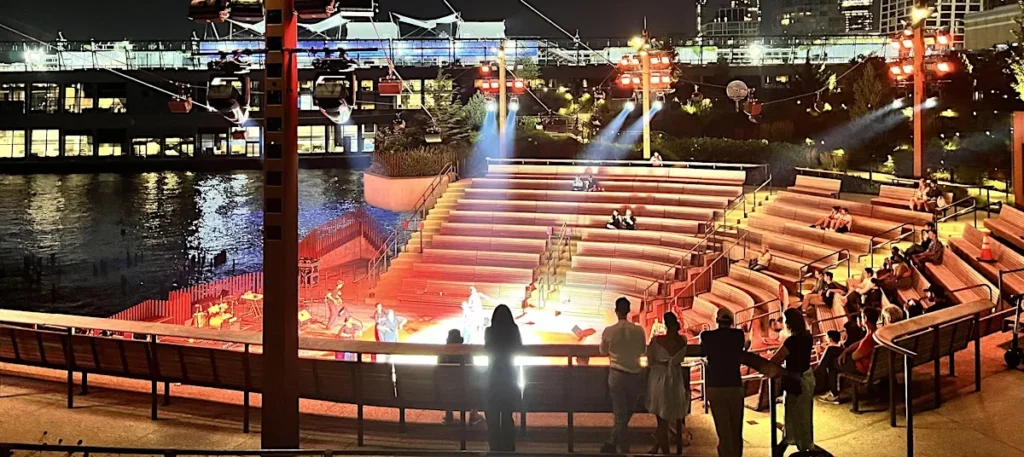
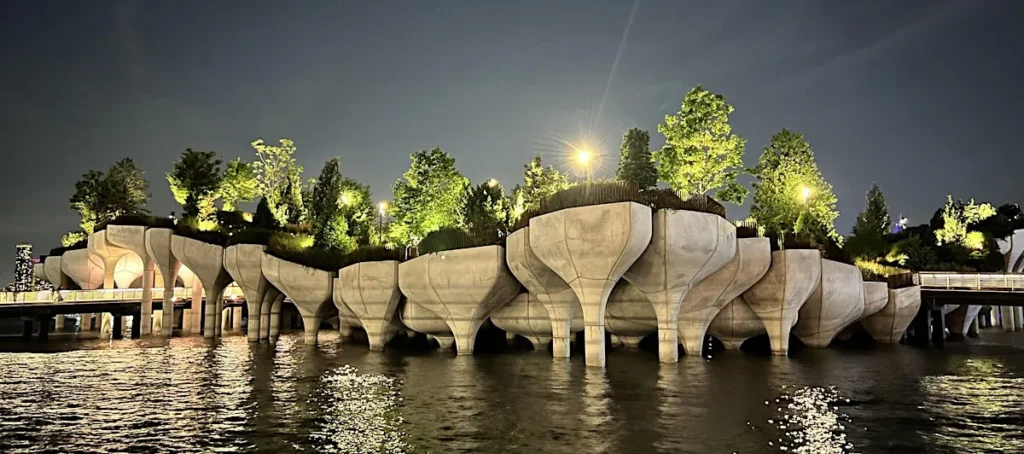
Landmarks along the elevated park tell the story of Manhattan’s industrial waterfront turned green corridor. A high line walking tour moving north from the park’s southern end passes the historic White Star Line pier, a reminder of the shipping era that once defined this stretch of the Hudson waterfront. Nearby sits Little Island, a newer addition to the neighborhood’s green space, offering contrast between old infrastructure and recent design. The route also passes the former Nabisco factory complex, now reimagined as Chelsea Market, one of the clearest examples of how industrial buildings here found new purpose.
Guests planning a high line tour should know that sightlines vary by itinerary. Some guided options stay focused on the park itself. Others extend the walk into surrounding neighborhoods for a fuller picture of Chelsea’s transformation.
Route Focus | What’s Included |
|---|---|
Park-only walk | Elevated rail bed, rail-era architecture, Hudson waterfront views |
Food-focused extension | Chelsea Market stalls, Meatpacking District eateries |
Neighborhood combo | Hudson Yards towers, Greenwich Village streets |
Does the tour include Chelsea Market and the Meatpacking District?
Several itineraries extend a standard high line guided tour nyc into a food-focused experience covering both Chelsea Market and the Meatpacking District. These versions typically run longer than a park-only walk and often include a meal stop, making them a practical choice for travelers who want food and history combined.
Can a High Line visit be paired with other neighborhoods?
Yes. Certain guided routes link the elevated park with Hudson Yards and Greenwich Village in one continuous outing. This pairing suits visitors who want to understand how the park connects to the city’s broader development, from glass towers to historic village streets.
For first-time visitors, walking the high line alongside a knowledgeable guide turns scattered landmarks into a connected narrative rather than a list of stops. A well-planned high line new york tour balances pace with enough detail to appreciate each site without rushing past it.
What High Line Guided Tour Options Exist?
Guided formats for the elevated park span a wide range, from brief small-group walks to multi-stop food and history outings. A standard high line walking tour runs about 75 minutes, moving through the park’s key stretches at an easy pace with a small group. Visitors weighing a short outing against a deeper dive have several structured choices to compare before booking.
Tour Type | Duration | Group Size | Best For |
|---|---|---|---|
Standard walking tour | 75 minutes | Small group | First-timers with limited time |
High Line & Chelsea Market combo | 2 hours | Private group | Travelers wanting food and culture together |
Secrets of High Line Park | 2.5 hours | Small group | History buffs wanting deeper context |
Docent-led free tour | Varies | Up to capacity, no reservation | Budget-minded visitors flexible on timing |
A high line guided tour nyc itinerary built around Chelsea Market pairs the park’s elevated pathways with nearby food stalls. It runs for two hours in a private setting. That format suits small families or friend groups who want a guide’s undivided attention rather than sharing the walk with strangers.
What's the longest High Line tour available?
The Secrets of High Line Park tour stretches to two. A half hours, making it the longest structured option for exploring the park’s design and plant life in depth. Anyone drawn to architecture, horticulture, or the rail line’s industrial past gets more time to absorb those details here than on a standard high line new york tour.
Can visitors join a free High Line tour?
Free docent-led walks exist, but they skip the reservation system entirely. Spots go out on a first-come, first-served basis, so arriving early matters more than booking ahead. This path to walking the high line rewards flexible schedules over guaranteed planning. A reserved small-group high line tour suits travelers who need certainty.
How Do You Choose the Right High Line Tour?
Selecting a high line tour depends on three factors: budget, schedule flexibility, and physical needs. Free docent-led walks and paid guided options both cover the park’s history, but logistics differ enough to change the experience entirely.
Travelers on a tight schedule should weigh crowd limits first. Free tours restrict attendance to 20 participants, and spots go to whoever arrives first, since no reservation system exists. Arriving late during peak season risks missing the group entirely, leaving a visitor without a planned narrative for the walk. A booked high line guided tour nyc sidesteps that uncertainty by securing a place in advance.
Mobility also shapes the decision. Visitors with mobility concerns need to confirm elevator availability before committing to any route. The elevated park relies on specific access points rather than ramps throughout. Checking accessibility details ahead of a visit prevents a frustrating detour mid-walk.
What if I want more than just the High Line?
Some travelers prefer pairing the elevated park with other Manhattan landmarks. A ten-hour combined itinerary covering Manhattan sightseeing with a Statue of Liberty cruise exists for guests wanting a full-day experience rather than a standalone walk. This option suits history buffs who want context stretching beyond the rail-line-turned-park itself.
Does a High Line tour run in languages other than English?
Yes. Guided options extend past English, including a French-language itinerary that pairs the park with Chelsea Market and Greenwich Village. Language availability matters for international visitors comparing a high line new york tour against options closer to home.
Priority | Best Fit |
|---|---|
No cost, flexible timing | Free docent walk (20-person cap) |
Guaranteed spot | Scheduled guided tour |
Mobility needs | Confirm elevator status first |
Non-English speakers | French-language combo tour |
Full-day sightseeing | Ten-hour Manhattan combo |
Walking the high line with the right structure in mind turns a simple park visit into a well-paced history lesson, whether the choice lands on a free walk or a structured high line walking tour.
How Should You Walk the High Line Solo?
Solo visitors navigate the elevated park best by planning transportation, accessibility, and timing before arrival. A high line walking tour on foot requires no reservation. A few logistical details separate a smooth visit from a frustrating one.
Bicycles present the first obstacle for many independent travelers. The elevated park itself prohibits bikes entirely, so cyclists must park before entering. Riders looking for a drop-off point can locate the nearest bike-share docking stations through Citi Bike’s own station locator rather than guessing at street-level racks.
Accessibility planning matters just as much. Guests who need mobility assistance can arrange a wheelchair ahead of time through the park’s official visitor services, a benefit supported by the Guardian wellness sponsorship program. Submitting that request early avoids scrambling for equipment once on-site.
Staying informed before the trip pays off too. Signing up for the park’s newsletter delivers updates on closures, seasonal programming, and events, which helps solo walkers time their visit around quieter stretches rather than peak crowds.
What should a first-time solo visitor check before arriving?
Confirm bike parking nearby, since cycling isn’t allowed on the walkway itself. Check accessibility needs in advance if a wheelchair is required, and glance at the newsletter for any schedule changes. These three steps cover most of what trips up unprepared visitors.
Consideration | Action |
|---|---|
Bicycles | Park off-site; bikes banned on the elevated path |
Mobility access | Request a wheelchair ahead of the visit |
Updates | Subscribe to the park newsletter |
For travelers who prefer structure over improvisation, a high line guided tour nyc option adds historical narration that a solo walk doesn’t provide. Pairing independent exploration with a scheduled high line tour, such as those offered for a broader high line new york tour itinerary, balances flexibility with expert context.
What Chelsea History Pairs With the High Line?
Chelsea’s own history gives the elevated park its context, from industrial waterfront to gallery hub. A high line tour rarely stands alone; the strongest versions connect the park to the streets below it. Factories, piers, and artists shaped the neighborhood long before the rail bed became a garden.
Guides who build a high line walking tour around Chelsea typically widen the lens beyond the planters and benches. Walking tours of this vibrant neighborhood are often paired directly with time on the High Line itself, treating the park as one chapter in a longer architectural story rather than an isolated attraction. That pairing rewards travelers who want more than scenery.
What does a Chelsea-focused High Line tour actually cover?
A high line guided tour nyc built around Chelsea typically frames the park within the neighborhood’s broader architecture, art, and culture rather than treating it as a standalone stroll. Expect commentary on building facades, former warehouses, and the gallery district alongside the park’s own design.
Does the tour touch on LGBTQ history or the gallery scene?
Specialty versions of a high line new york tour go further still, covering Chelsea’s LGBTQ history and its gallery scene of the 2000s and today. That layer matters for history buffs tracing how the neighborhood’s identity shifted alongside the park’s construction.
For visitors deciding how to spend a morning or afternoon walking the high line, the choice usually comes down to scope:
Park-only route: focuses purely on the elevated structure, landscaping, and rail history.
Chelsea-paired route: adds neighborhood architecture, waterfront history, and gallery culture.
Specialty-themed route: layers in LGBTQ history and contemporary art alongside both.
Travelers who want cultural depth, not just photos, generally gain more from the Chelsea-paired option.
What Practical Details Should You Know Before Visiting?
Logistics determine whether a visit to the High Line feels smooth or stressful. Free High Line tours begin at the Gansevoort Street entrance. Conclude at 30th Street, giving visitors a clear start and end point for the elevated park walk. Knowing this route in advance helps travelers plan connecting stops in Chelsea or the Meatpacking District without backtracking.
Timing matters just as much as location. Tour schedules shift with the seasons. The May through August calendar adds Tuesday evening sessions alongside the usual Wednesday and Saturday morning slots. Visitors chasing golden-hour light or cooler air often favor the evening option, while morning sessions suit those avoiding midday crowds.
What happens if it rains during a High Line visit?
Weather plays a bigger role here than on ground-level attractions. Tours face cancellation during inclement weather. Much of the High Line sits exposed to wind and rain with limited shelter. Checking conditions and any posted updates before heading out saves a wasted trip, especially for visitors with tight itineraries.
How should visitors arrive at the High Line?
Arrival method shapes the experience from the first few minutes. Cyclists should note that bikes are not permitted on the elevated pathway itself. Street-level bike racks sit near several stairway entrances along the route.
High line tour: starts at Gansevoort Street, ends at 30th Street.
High line walking tour scheduling: varies by season, with summer evening slots added.
Weather risk: outdoor cancellations possible, so confirming status beforehand matters.
Bike access: racks available at street level, bikes excluded from the elevated path.
A high line guided tour nyc led by a knowledgeable local provider, such as the kind offered through a New York, NY based walking tour operator serving the area, helps visitors navigate these seasonal and weather variables without guesswork, turning a potentially confusing outing into a dependable, well-timed experience.
Why Book a Guided Tour With Local Experts?
Local guides convert a quiet elevated park into a layered history lesson that most self-guided visitors never piece together. A high line walking tour led by someone trained in the park’s past explains why the rail line closed, how the gardens were designed, and which buildings along the route still matter. Skipping that context costs visitors the neighborhood’s deeper story, leaving them with photos and no narrative to go with them.
NYC Free Tour sets a useful benchmark for what a strong high line tour should deliver. The company runs daily Midtown walking tours, with English departures at 10 AM and Spanish sessions at 10:30 AM and 3 PM, a bilingual schedule many high line guided tour nyc options don’t match. That kind of daily, multilingual access is worth comparing against before booking any high line new york tour.
Travelers weighing their options should look for:
Flexible pricing: NYC Free Tour operates on a tips-only basis, letting guests set the price after the walk rather than before it.
Structured pacing: a route built around multiple stops over roughly two hours, similar to NYC
FAQ
What was the High Line originally built for?
Built to carry raw goods from upstate New York, the elevated track kept dangerous freight traffic off street level in Manhattan’s dense manufacturing district.
When do free docent-led High Line tours take place?
Free docent-led tours run Wednesdays and Saturdays from 10 to 11:30am, giving visitors an insider’s view of the park’s history and design.
What sights appear along the High Line route?
Moving north, the route passes the historic White Star Line pier and Little Island, contrasting old shipping-era infrastructure with newer green space nearby.
Conclusion
In closing, the High Line stands as a testament to New York City’s capacity for creative transformation. Industrial heritage meets contemporary culture. Through our expert-guided tours, you’ll discover how this elevated park reshapes urban spaces while honoring the city’s architectural past. Whether you explore with us in English or Spanish, you’ll gain the local insights that transform a simple walk into a meaningful journey through Manhattan’s evolving landscape.