
Greenwich Village Walking Tours Free: Your Essential Guide to Exploring NYC’s Historic Neighborhood
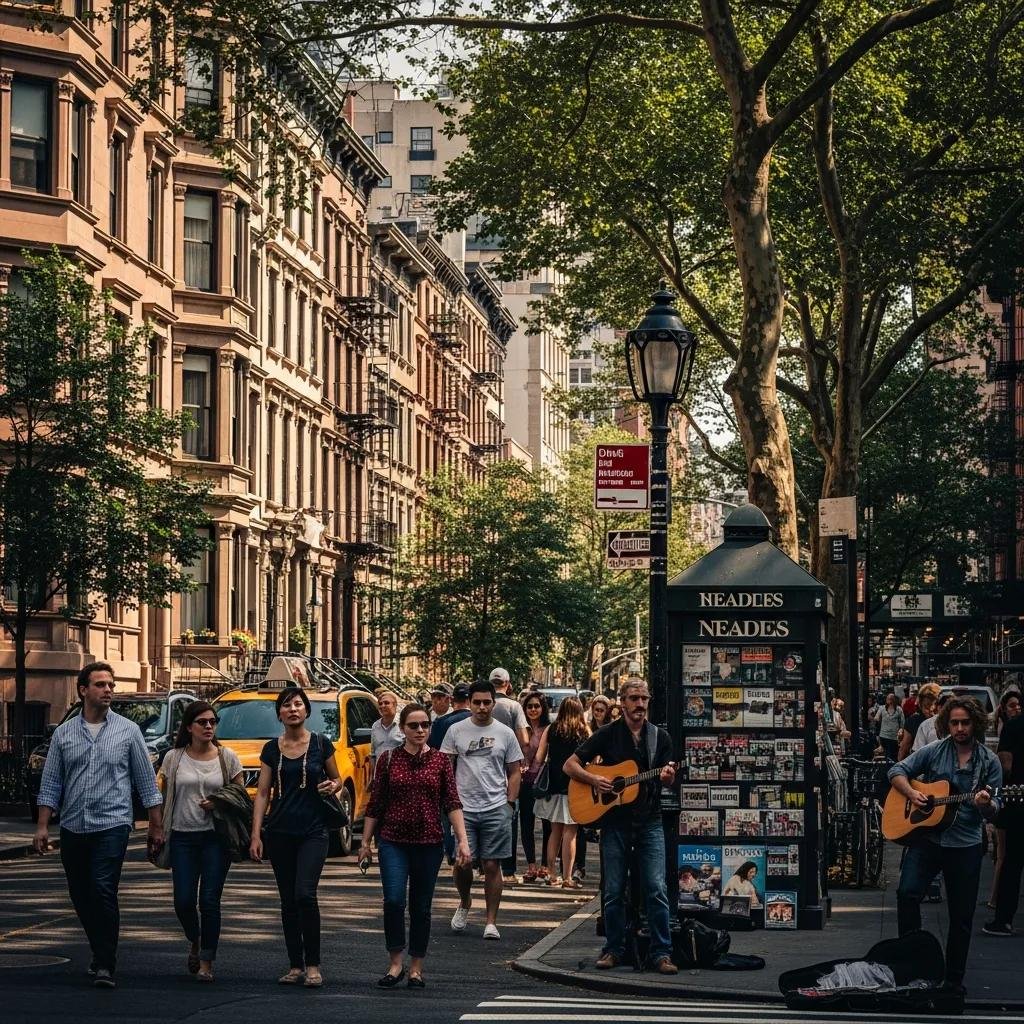
Greenwich Village, often referred to as “The Village,” is a vibrant neighborhood in New York City known for its rich history, artistic heritage, and cultural significance. This guide will provide you with essential insights into exploring this iconic area through free walking tours. Visitors can expect to learn about the neighborhood’s historical landmarks, cultural movements, and the influential figures who shaped its identity. Many tourists find themselves overwhelmed by the sheer number of attractions and activities available, but this guide will help you navigate the best experiences. We will cover key routes and landmarks, historical significance, practical tips for exploring, and additional activities to enhance your visit.
Key Routes and Landmarks
Exploring Greenwich Village is best done on foot, allowing you to fully appreciate its unique charm and historical significance. The neighborhood is home to several key landmarks that reflect its rich cultural tapestry.
| Landmark | Significance | Visitor Tips |
|---|---|---|
| Washington Square Park | A historic park known for its iconic arch and vibrant atmosphere. | Visit during the day for street performances. |
| Stonewall Inn | The birthplace of the LGBTQ+ rights movement, commemorating the Stonewall Riots. | Take a moment to reflect on its historical importance. |
| Historic Music Venues | Venues like The Bitter End and Café Wha? have hosted legendary artists. | Check the schedule for live performances. |
These landmarks not only provide a glimpse into the past but also serve as gathering spots for locals and visitors alike.
Historical Significance
Greenwich Village has played a pivotal role in American history, particularly during the Bohemian movement of the early 20th century. This neighborhood became a haven for artists, writers, and activists, fostering a spirit of creativity and social change.
The Stonewall Riots of 1969, which took place at the Stonewall Inn, marked a significant turning point in the fight for LGBTQ+ rights. This event galvanized a movement that continues to resonate today, making the Village a symbol of resilience and progress.
Understanding the historical context of Greenwich Village enriches your experience as you walk through its streets, where every corner tells a story of cultural evolution and social justice.
Tips for Exploring
To make the most of your Greenwich Village experience, consider the following tips:
- Arrival Time: Aim to start your tour in the morning to avoid crowds and enjoy a quieter atmosphere.
- Comfortable Attire: Wear comfortable shoes, as you’ll be walking a lot. The cobblestone streets can be uneven.
- Engagement with Guides: If you join a free walking tour, engage with your guide. They often share personal anecdotes and lesser-known facts that enhance the experience.
These practical tips will help you navigate the neighborhood more effectively and enjoyably.
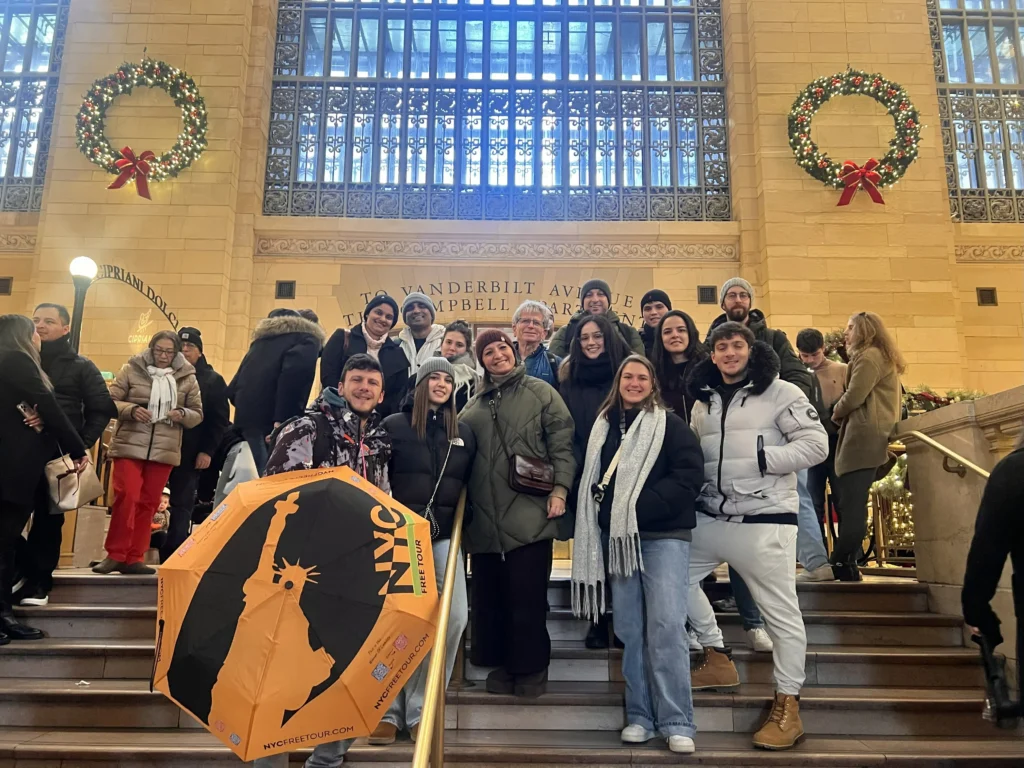
After exploring the key landmarks and understanding their significance, consider joining a free walking tour to gain deeper insights into the neighborhood’s history and culture. NYC Free Tour offers engaging experiences that encourage visitors to explore neighborhoods like Greenwich Village.
Additional Activities
Beyond the walking tours, Greenwich Village offers a plethora of activities to enrich your visit. Here are some suggestions:
- Dining Options: Explore local eateries that serve everything from classic New York pizza to gourmet cuisine.
- Local Events: Check out community events, art shows, and live music performances that often take place in the area.
- Parks to Explore: In addition to Washington Square Park, consider visiting smaller parks like Jackson Square for a more tranquil experience.
These activities provide a well-rounded experience of the Village, allowing you to immerse yourself in its vibrant culture.
What Are the Best Free Walking Tours in Greenwich Village?
When it comes to free walking tours in Greenwich Village, several options stand out for their engaging content and knowledgeable guides. Here are some of the best:
- NYC Free Tour: Offers a comprehensive overview of the Village’s history, culture, and landmarks.
- Greenwich Village Historical Society Tour: Focuses on the neighborhood’s rich history and notable figures.
- LGBTQ+ History Tour: Highlights the significant events and locations related to the LGBTQ+ rights movement.
These tours not only provide valuable insights but also allow you to connect with fellow travelers and locals.
How Does NYC Free Tour Offer Engaging Greenwich Village Experiences?
NYC Free Tour stands out for its commitment to providing engaging and informative experiences. Their local guides are passionate about the neighborhood and share personal stories that bring the history to life. The tours are designed to be interactive, encouraging questions and discussions among participants.
Additionally, the flexible itinerary allows for spontaneous stops at points of interest, making each tour unique. This approach ensures that visitors leave with a deeper understanding of Greenwich Village and its cultural significance.
Which Landmarks Are Included in Popular Free Walking Tours?
Popular free walking tours in Greenwich Village typically include several iconic landmarks that define the neighborhood’s character. Some of the must-see sites include:
- Washington Square Park: A central gathering place known for its arch and lively atmosphere.
- Stonewall Inn: A historic site that played a crucial role in the LGBTQ+ rights movement.
- Bleecker Street: Famous for its music venues and vibrant nightlife.
These landmarks not only highlight the neighborhood’s history but also its ongoing cultural relevance.
What Is the Historical Significance of Greenwich Village?
Greenwich Village’s historical significance is deeply rooted in its role as a cultural and artistic hub. The neighborhood has been home to numerous influential figures, including writers, musicians, and activists.
The American Bohemian movement found a stronghold in the Village, fostering creativity and social change. This legacy continues to influence contemporary art and culture, making Greenwich Village a vital part of New York City’s identity.
How Did Greenwich Village Shape New York City’s Cultural Heritage?
The impact of Greenwich Village on New York City’s cultural heritage is profound. The neighborhood has been a breeding ground for artistic movements, including the Beat Generation and the LGBTQ+ rights movement.
Influential personalities such as Bob Dylan and Allen Ginsberg called the Village home, contributing to its reputation as a center for creativity and social activism. This rich history shapes the cultural landscape of New York City, making it a must-visit destination for those interested in the arts and social justice.
What Key Events and Figures Define Greenwich Village’s History?
Several key events and figures have defined the history of Greenwich Village, including:
- The Bohemian Movement: A cultural revolution that attracted artists and intellectuals to the area.
- The Stonewall Riots: A pivotal moment in the fight for LGBTQ+ rights that took place in 1969.
- Cultural Venues: Historic music venues that have hosted legendary performances and shaped the music scene.
These events and figures contribute to the rich tapestry of Greenwich Village’s history, making it a fascinating place to explore.
Which Landmarks Should You Visit on a Greenwich Village Walking Tour?
When embarking on a walking tour of Greenwich Village, be sure to visit these essential landmarks:
- Washington Square Park: A lively park that serves as a cultural hub.
- The Stonewall Inn: A historic site that symbolizes the LGBTQ+ rights movement.
- The Bitter End: A legendary music venue that has hosted countless famous artists.
These landmarks provide a glimpse into the neighborhood’s vibrant history and cultural significance.
What Are the Must-See Sites Like Washington Square Park and Stonewall Inn?
Washington Square Park and the Stonewall Inn are two must-see sites that encapsulate the essence of Greenwich Village.
Washington Square Park is not only a beautiful green space but also a cultural gathering place where visitors can enjoy street performances and local events. The Stonewall Inn, on the other hand, stands as a powerful symbol of the LGBTQ+ rights movement, reminding visitors of the struggles and triumphs of the community.
How Do These Landmarks Reflect the Neighborhood’s Cultural and Architectural Identity?
The landmarks of Greenwich Village reflect the neighborhood’s unique cultural and architectural identity.
Washington Square Park features iconic structures like the Washington Arch, which embodies the neighborhood’s historical significance. The Stonewall Inn, with its modest façade, represents the grassroots activism that has shaped the LGBTQ+ rights movement.
These landmarks not only showcase architectural styles but also tell the stories of the people and movements that have defined Greenwich Village.
What Practical Tips Enhance Your Greenwich Village Tour Experience?
To enhance your experience while touring Greenwich Village, consider these practical tips:
- Best Time to Visit: Early mornings or late afternoons are ideal for avoiding crowds.
- Local Etiquette: Be respectful of the neighborhood’s residents and their space.
- Tour Duration: Plan for at least two hours to fully enjoy the sights and stories.
These tips will help you navigate the neighborhood with ease and respect, ensuring a memorable visit.
When Is the Best Time to Join a Free Walking Tour in Greenwich Village?
The best time to join a free walking tour in Greenwich Village is during the spring and fall months when the weather is mild and the streets are less crowded.
Weekdays tend to be quieter than weekends, allowing for a more intimate experience with your guide and fellow participants. Additionally, early morning tours can provide a peaceful atmosphere to enjoy the sights before the hustle and bustle of the day begins.
What Etiquette Should Visitors Follow During the Tour?
When participating in a walking tour, it’s important to follow certain etiquette guidelines to ensure a positive experience for everyone involved:
- Arrival Time: Arrive a few minutes early to avoid disrupting the group.
- Comfortable Attire: Dress appropriately for walking and the weather.
- Tipping Practices: If you enjoyed the tour, consider tipping your guide as a gesture of appreciation.
Following these guidelines will help create a respectful and enjoyable environment for all participants.
Leave a Reply