
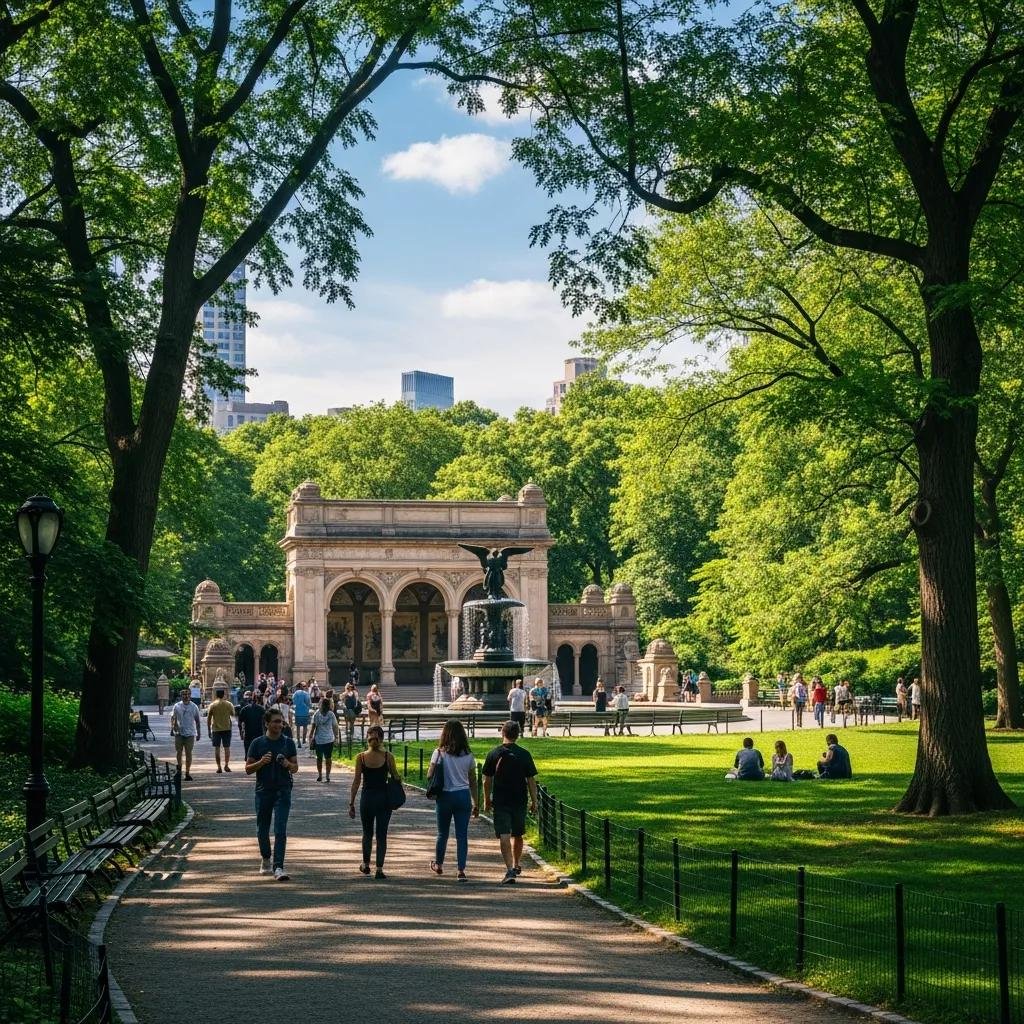
Central Park is a sprawling oasis in the heart of New York City, offering a unique blend of nature, history, and culture. This guide will take you through a self-guided walking tour, highlighting hidden gems and iconic landmarks that make Central Park a must-visit destination. Whether you’re a first-time visitor or a seasoned explorer, you’ll discover the park’s rich tapestry of experiences. Many visitors often miss out on the lesser-known spots that provide a deeper connection to the park’s history and beauty. This article will cover the best hidden spots, how to navigate the park safely, and tips for planning your walking route.
Central Park is filled with hidden gems that offer a unique perspective on the park’s beauty and history. Some of the best hidden spots include:
These hidden spots not only provide a break from the crowds but also offer unique experiences that enrich your visit to Central Park.
Navigating Central Park can be a delightful adventure, but it’s essential to do so safely. Here are some practical tips for exploring the park’s hidden gems:
By following these tips, you can ensure a safe and enjoyable exploration of Central Park’s hidden treasures.
When planning your walking route, don’t miss these iconic landmarks that define Central Park:
Including these landmarks in your route will provide a comprehensive experience of Central Park’s cultural and historical significance.
Bethesda Terrace is a breathtaking architectural feature in Central Park, characterized by its grand staircase and the iconic fountain. The terrace serves as a gathering place for visitors and offers stunning views of the surrounding area. Bow Bridge, with its elegant design, is one of the most photographed spots in the park, providing a romantic backdrop for couples and a scenic view for all. The Ramble, on the other hand, is a naturalistic landscape that invites visitors to wander through its winding paths, offering a peaceful retreat from the urban environment. Each of these landmarks contributes to the unique charm of Central Park, making them essential stops on your walking tour.
Visiting popular landmarks in Central Park can be a rewarding experience, but it’s essential to plan accordingly. Here are some tips to enhance your visit:
By following these tips, you can make the most of your visit to Central Park’s popular landmarks.
Planning an effective walking route in Central Park involves considering your interests and the time you have available. Start by identifying key locations you want to visit, such as hidden gems and iconic landmarks. Use online maps to plot your course, ensuring you include a mix of both types of sites. Additionally, consider the distance between locations and the time you want to spend at each stop. This approach will help you create a balanced itinerary that allows for exploration without feeling rushed.
The broader trend of digitalization has fundamentally reshaped the entire tourism industry, empowering visitors with new tools for planning and experiencing destinations.
Digitalization’s Impact on Tourist Navigation
The current state of digitalization in the tourism industry has significantly changed how tourists plan, navigate, and reflect on their experiences.
Modeling Sustainable Urban Tourism with Digital Self-Guided Tours: A Smart City Perspective, A Predescu, 2025
Technology can significantly enhance your self-guided tour experience in Central Park. Familiarizing yourself with online maps and mobile apps can help you navigate the park’s extensive trails. Many apps provide detailed information about points of interest, walking paths, and even real-time updates on park events. By utilizing these resources, you can ensure you don’t miss any hidden gems while also staying on track during your exploration.
Indeed, the development of mobile applications has revolutionized how visitors engage with natural and historical sites, offering a modern alternative to traditional guided tours.
Mobile Apps for Self-Guided Park Interpretation
This project explores a modern alternative to in-park ranger interpretation via a mobile application that would allow for similar interactive experiences for the visitor while meeting the expectations and needs of the visitor.
Opportunities of an Interpretive Application for Self-guided Tourism within the National Park System, 2015
Combining hidden gems with must-see landmarks creates a well-rounded walking route in Central Park. Here are some recommended routes:
| Route Name | Highlights | Duration |
|---|---|---|
| Midtown Manhattan Free Walking Tour | Includes Bethesda Terrace and The Mall | 2 hours |
| High Line Urban Hike Tour | Combines Bow Bridge and The Ramble | 1.5 hours |
| Central Park Classic Tour | Covers iconic landmarks and hidden spots | 3 hours |
These routes offer a mix of experiences, ensuring you enjoy both the park’s famous sites and its lesser-known treasures.
Central Park is home to a diverse array of flora and fauna, making it a fantastic destination for nature lovers. As you explore the park, you can expect to see various bird species, including cardinals, blue jays, and even the occasional hawk. The park’s trees and plants change with the seasons, providing a beautiful backdrop for your walk. Spring brings vibrant blooms, while autumn showcases stunning foliage, making each visit unique.
Throughout the year, Central Park offers seasonal highlights that enhance the visitor experience. In spring, cherry blossoms and tulips bloom, creating a colorful landscape. Summer brings lush greenery and vibrant flower beds, while autumn showcases a stunning array of red, orange, and yellow leaves. Winter transforms the park into a serene wonderland, with snow-covered trees and frozen lakes. Each season presents a different aspect of Central Park’s natural beauty, making it worthwhile to visit year-round.
Central Park offers numerous spots perfect for picnicking and relaxation. Some of the best locations include:
These spots allow you to take a break and soak in the park’s natural beauty while enjoying a meal or simply relaxing.
Free walking tours in Manhattan offer a structured way to explore the city, often led by knowledgeable guides. In contrast, self-guided tours in Central Park provide the freedom to explore at your own pace. While guided tours offer insights and historical context, self-guided tours allow for a more personal experience, enabling you to linger at your favorite spots. Both options have their merits, and the choice depends on your preferred style of exploration.
Self-guided tours offer several advantages over guided group experiences. These include:
These benefits make self-guided tours an appealing option for many visitors to Central Park.
NYC Free Tour enhances the self-guided exploration experience by providing valuable resources and insights. Their platform offers curated walking experiences that highlight both popular landmarks and hidden gems. By engaging with local guides, visitors can gain a deeper understanding of the park’s history and significance. This support encourages further exploration and appreciation of Central Park’s unique offerings.
When visiting Central Park, it’s essential to follow practical tips and etiquette to ensure a pleasant experience for yourself and others. Here are some key points to consider:
By adhering to these guidelines, you can enjoy a respectful and enjoyable visit to Central Park.
Safety is paramount when exploring Central Park. Here are some essential guidelines to keep in mind:
Following these safety guidelines will help you have a secure and enjoyable experience in Central Park.
Respecting the park and fellow visitors is crucial for maintaining a pleasant atmosphere. Here are some tips to keep in mind:
By following these guidelines, you contribute to a positive experience for everyone in Central Park.