
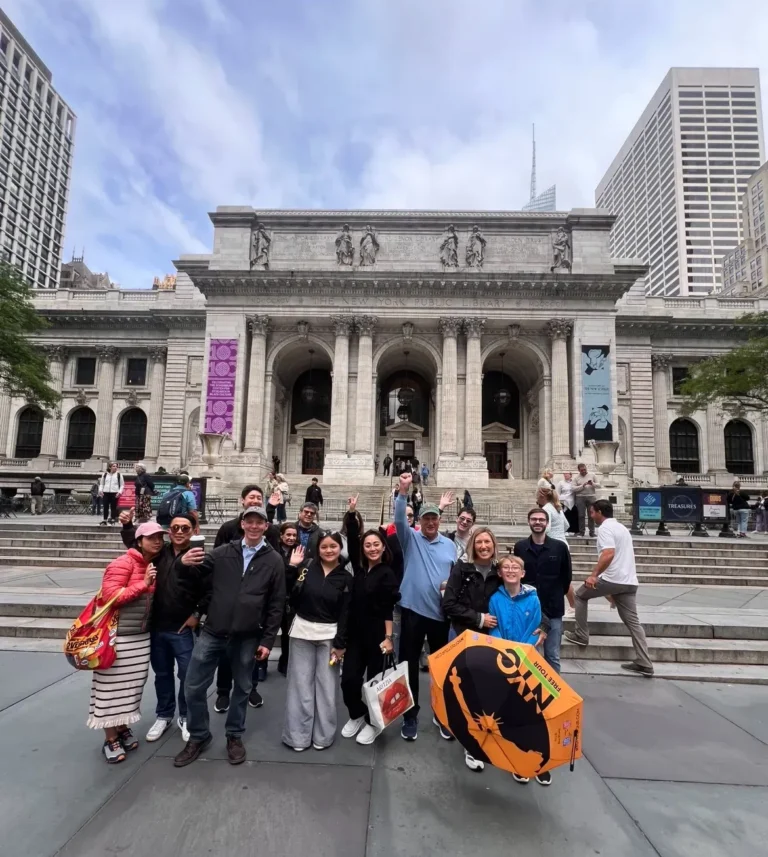
Best Free Walking Tours NYC: Complete Guide to Exploring Manhattan with Local Experts
Free walking tours in New York City offer a low-barrier, high-value way to explore Midtown Manhattan with knowledgeable local guides, combining history, architecture, and neighborhood stories for curious travelers. This guide explains what free walking tours are, how the tip-based model works, which Midtown landmarks you’ll see on a typical route, and how to prepare so your visit is smooth and enjoyable. Many visitors want authentic context for Bryant Park, Rockefeller Center, Grand Central Terminal, St. Patrick’s Cathedral, Broadway, and Times Square without the cost or commitment of a private guide; free tours answer that need by pairing local expertise with flexible payment. The article maps practical booking and accessibility tips, landmark highlights, other neighborhoods and thematic walks to consider, and clear guidance on tipping etiquette so you leave informed and confident. Throughout the guide we reference common offerings like a Midtown Manhattan Free Walking Tour led by local guides, illustrate the benefits of tip-based experiences, and show how to plan a day of walking that balances culture, photography, and comfortable pacing.
What Are Free Walking Tours in NYC and How Do They Work?
Free walking tours in NYC are guided neighborhood or landmark walks that operate on a tip-based payment model and prioritize accessibility and storytelling for visitors. These tours function as experiential travel options where participants join a scheduled meet-up and pay what they feel the tour was worth at the end, which makes the experience affordable and demand-driven. Guides focus on local history, architecture, and cultural context rather than a purely transactional lecture, and group sizes tend to range from small to moderately large depending on demand and season. Understanding the mechanics helps travelers set expectations about booking, arrival, and how the guide structures stops and commentary. Below is a short “how it works” list that highlights the typical visitor path so you can plan effectively.
- Show up or reserve: Many free tours allow walk-ups but reserving a spot through the organizer reduces uncertainty.
- Join the meetup: A clear meeting point and start time anchor the tour and set pacing expectations.
- Pay what you think: At the end, participants tip based on value, affordability, and guide performance.
How Does the Tip-Based Model Benefit Tourists and Guides?
The tip-based model benefits tourists by removing upfront cost barriers and letting travelers judge value based on the experience, which makes cultural and historical tours accessible to budget-conscious visitors. For guides, the model creates a direct incentive to deliver engaging, accurate, and personable storytelling because higher-quality tours typically earn better tips, aligning guide motivation with visitor satisfaction. This arrangement also fosters flexibility: tourists can attend a premium walking experience without committing to a fixed fee, and guides can adapt content to group interests in real time to maximize impact. Community-level benefits arise when organizations operate with peer standards and shared practices that encourage professional development and consistent quality. Understanding these advantages helps travelers appreciate both the economic and experiential logic behind free walking tours and prepares them to engage respectfully with hosts and fellow walkers.
Which Landmarks Are Included in the Midtown Manhattan Free Walking Tour?
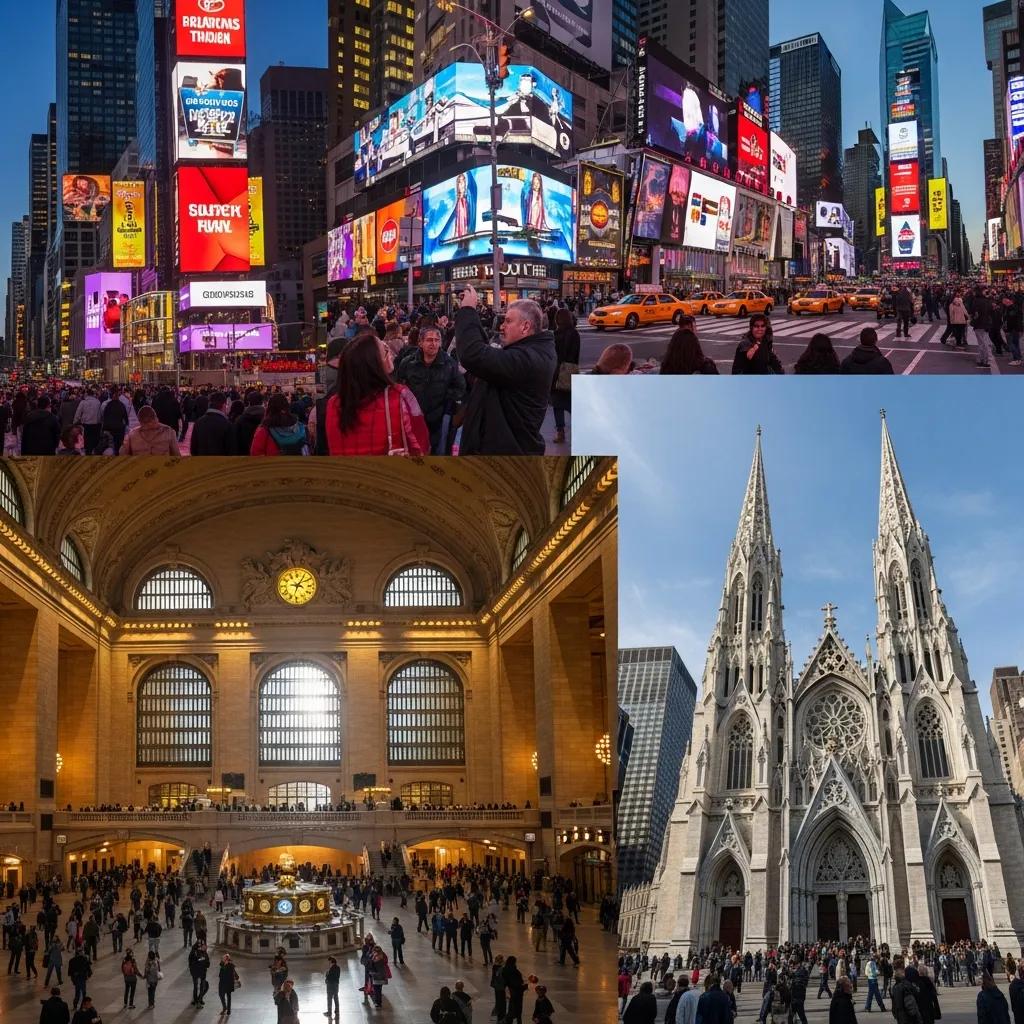
The Midtown Manhattan Free Walking Tour typically strings together iconic Midtown sites to create a compact narrative about New York’s civic, cultural, and commercial life. Guides lead visitors through a curated sequence that usually includes Bryant Park, the New York Public Library, Rockefeller Center, Grand Central Terminal, St. Patrick’s Cathedral, Broadway/Theatre Row, and Times Square, highlighting architecture, public art, transportation history, and theatrical heritage. Each stop is chosen for its story value and walkability so the tour balances informative commentary with photo opportunities and short on-site exploration. Below is a scannable fact table designed to give quick historical context and why each stop matters for visitors seeking deep but digestible insights.
| Landmark | Short Description | Historic Significance / Fun Fact |
|---|---|---|
| Bryant Park | Urban green space behind the NYPL | Transformed from a 19th-century reservoir space into a modern event-driven park |
| New York Public Library | Beaux-Arts research library with iconic lions | Architectural landmark and research center with grand public reading rooms |
| Rockefeller Center | Art Deco complex and public plaza | Noted for public art, seasonal events, and integrated urban planning |
| Grand Central Terminal | Major transit hub with celestial ceiling | Landmark railway terminal with a celebrated Beaux-Arts concourse |
| St. Patrick’s Cathedral | Gothic Revival cathedral on Fifth Avenue | Religious and cultural centerpiece amid Midtown commerce |
| Broadway/Theatre Row | Historic theater district and performance venues | Epicenter of American theatre and musical history |
| Times Square | Lively crossroads of lights and commerce | Global symbol of New York’s entertainment economy and tourism |
This table helps you scan landmark attributes and supports decisions about where to linger for photos or deeper exploration; each stop connects to larger narratives that guides usually expand on during the walk.
What Is the Historical and Cultural Significance of Bryant Park?
Bryant Park serves as a compact case study in urban reinvention, transforming from a neglected lot into one of Midtown’s most beloved public spaces through careful programming and design. Historically, the site evolved from reservoir-adjacent uses into a formal public green through 19th- and 20th-century civic projects that reflected changing urban priorities. Today the park hosts seasonal markets, outdoor reading rooms, and free public events that illustrate how programmed urban parks can foster community and visitor engagement. On a walking tour, guides point out the park’s adaptive uses, recommend photographic viewpoints, and discuss how public space management shaped modern Midtown. Appreciating Bryant Park’s layered past deepens understanding of how small urban sites can anchor larger civic narratives and visitor experiences.
Why Visit Rockefeller Center and Grand Central Terminal on the Tour?
Rockefeller Center and Grand Central Terminal are paired stops because each captures a different but complementary facet of Manhattan’s civic and commercial identity: Rockefeller Center showcases Art Deco planning, public art, and seasonal rituals, while Grand Central exemplifies transit architecture and public engineering. Rockefeller Center’s plazas and sculptures illustrate how private development created public-facing civic nodes that host events and holiday traditions, making it a rich site for social and design commentary. Grand Central’s luminous concourse, celestial ceiling, and layered transit history demonstrate how infrastructure and aesthetics combine to shape commuter and visitor experiences. Guides emphasize photo tips, best times to avoid crowds, and architectural details to watch for—this contextual pairing helps visitors see Midtown as an orchestrated urban experience rather than a series of isolated sights.
How Can You Prepare for and Book Your NYC Free Walking Tour?
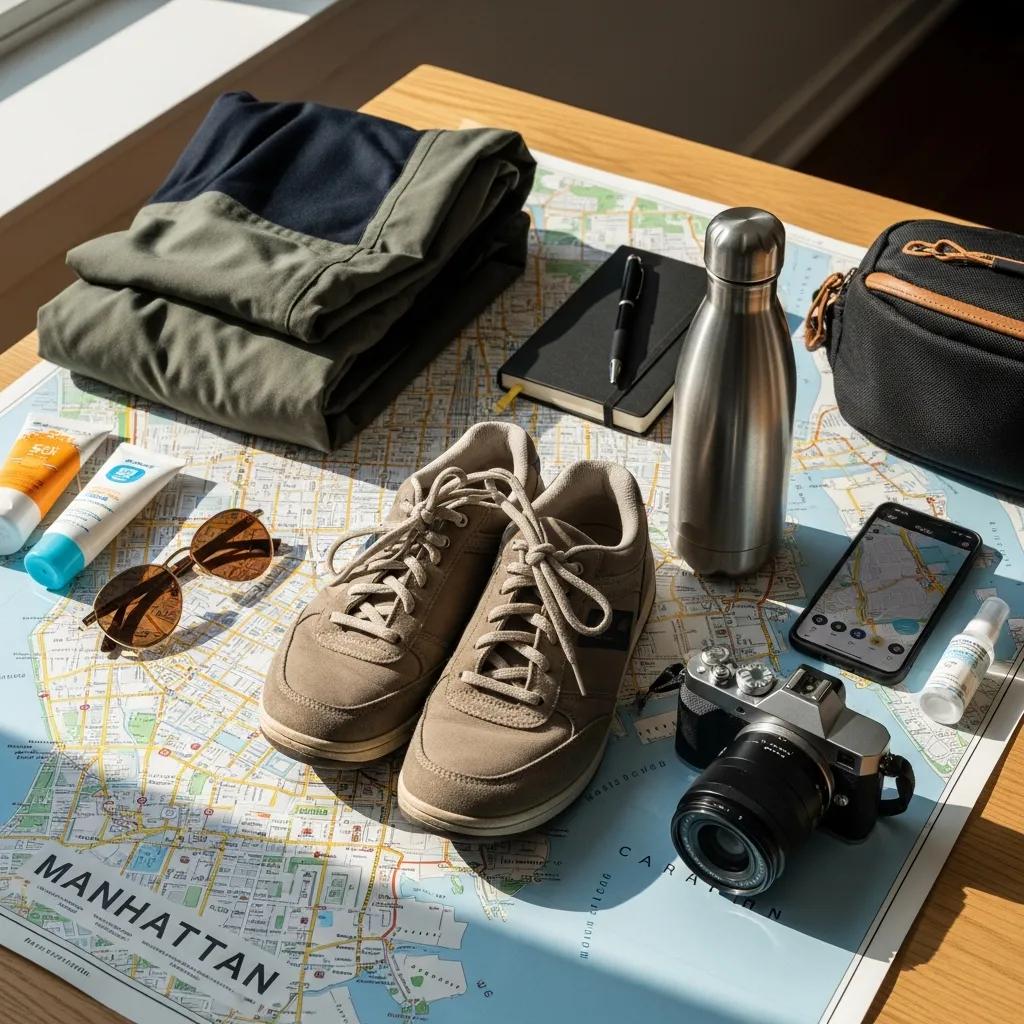
Preparing for a free walking tour combines practical packing, timing, and modest booking steps that ensure comfort and punctuality while maximizing the learning experience. Generally, travelers should confirm meeting times via the tour operator’s site or listing, arrive 10–15 minutes early to find the meetup, and wear comfortable shoes for a route that covers several blocks with multiple stops. Accessibility questions and language options (for example, English and Spanish tours) are important to check in advance, and advance reservations are recommended when available to secure a spot on popular days. The short checklist below helps travelers get physically and logistically ready for a Midtown walk, and the table that follows summarizes quick logistics items with recommended actions for each.
- Check availability: Confirm whether the tour requires RSVP or accepts walk-ups to avoid disappointment.
- Plan arrival: Aim to arrive early; meeting points can be busy and clear landmarks help locate the group.
- Dress for comfort: Wear supportive footwear and weather-appropriate layers to enjoy the full route.
This checklist reduces last-minute stress and naturally leads into the quick logistics table, which highlights what to bring and how to handle accessibility or weather contingencies.
| Item (What to bring) | Accessibility / Suitability | Recommended Action |
|---|---|---|
| Comfortable shoes | Suitable for moderate walking | Wear closed-toe, cushioned footwear for 1–2 miles of walking |
| Water bottle | Helpful for all participants | Bring refillable bottle; refill at nearby vendors if needed |
| Weather gear | Rain/wind protection as needed | Carry a compact umbrella or light rain jacket in season |
| Photo device | Recommended for key stops | Keep camera/phone charged and secure while walking |
| ID / small payment | For tipping and emergencies | Carry small bills or a payment method for tips and incidental needs |
Where Is the Meeting Point and What Is the Tour Duration?
Meeting points and tour durations vary by operator and day, but Midtown free tours typically designate a well-known public spot and run approximately 60–90 minutes depending on route depth and group interaction. Exact meetup locations and start times are posted by the tour organizer on their event listing or booking page, so checking those details beforehand removes uncertainty and keeps the group on schedule. Tours usually cover a compact Midtown loop with frequent short stops, allowing time for commentary, quick photos, and Q&A; guides may extend or shorten stops depending on group interest and walking pace. Planning for a one- to one-and-a-half-hour block and arriving early will ensure you experience the full route without rushing or missing the starting group.
What Are the Tips for First-Time Visitors and Accessibility Options?
First-time visitors benefit from small practical habits: bring light layers, pack a water bottle, keep a small amount of cash for tipping, and wear supportive shoes to enjoy the walking rhythm without distraction. Many Midtown sidewalks and primary stops are wheelchair- and stroller-accessible, though some entryways or older interior spaces may present challenges, so contacting the tour provider in advance helps arrange accessible meeting alternatives or route adjustments. Families should consider timing (mid-morning tours avoid peak crowds) and bring snacks for children; large groups should split across multiple tours or alert guides ahead of time to maintain group cohesion. These practical adjustments let visitors focus on the cultural content and tailor the experience to personal mobility or comfort needs.
Why Choose NYC Free Tour for Your Manhattan Exploration?
NYC Free Tour distinguishes itself through local guides, a tip-based flexible payment model, bilingual tour options, and membership in the Free Tour Community, which together support authentic storytelling and community standards. Guides bring neighborhood knowledge and tailor commentary to group interests, while the tip model allows travelers to decide value at the end of the walk; bilingual offerings in English and Spanish expand accessibility for diverse visitors. Membership in a broader Free Tour Community signals a commitment to shared quality practices among peer operators, which benefits visitors seeking reliable, engaging experiences. For travelers who prioritize local perspective, narrative depth, and flexible costs, these attributes create a compelling case to choose this operator for a Midtown route.
- Local perspective: Guides emphasize neighborhood stories and lived experience.
- Flexible payment: Tip-based model makes tours accessible to a wide range of visitors.
- Bilingual options: Tours available in English and Spanish increase inclusivity.
How Do Local Guides Enhance Your NYC Walking Tour Experience?
Local guides enhance tours by weaving factual history with personal anecdotes and observational details that bring places to life, connecting built form to social history in concise vignettes. Trained guides interpret architectural styles, point out visual motifs, and surface lesser-known stories that transform familiar sights into memorable narratives, and they adapt pacing and depth based on group interest and questions. This personalization creates moments of discovery—an overlooked sculpture, a surprising historical pivot, or a theatrical anecdote—that static guidebooks rarely deliver. The dynamic between guide, place, and group makes walking tours an active, social learning experience rather than a passive sightseeing checklist.
What Makes the NYC Free Tour Part of the Global Free Tour Community?
Being part of the Free Tour Community indicates that the operator adheres to shared ideals around guide ethics, peer support, and quality standards, which helps ensure consistent experiences across different cities and operators. Community membership fosters training opportunities, resource sharing, and event coordination that elevate guide professionalism and protects visitor interests through transparent practices. For travelers, this affiliation signals a baseline of accountability and collaboration among guides and operators, making expectations around guide conduct and storytelling clearer. The community connection also provides platforms for guides to exchange local insights and preserve storytelling traditions, which benefits both visitors and the guides’ craft.
What Other Free Walking Tours and Thematic Walks Can You Explore in NYC?
Beyond Midtown, New York City offers a rich field of free and tip-based walks across neighborhoods and themes that let visitors pursue architecture, food culture, performing arts history, or immigrant narratives. Exploring other neighborhoods expands the city’s narrative beyond Midtown’s corporate and theatrical core to residential transformation, waterfront renewal, and cultural enclaves. Thematic tours—such as architecture-focused routes, Broadway history walks, and food-based neighborhood rambles—use specific lenses to reveal distinct patterns in streetscapes and community life. Below is a concise neighborhood list with what each area typically highlights, followed by thematic tour suggestions that pair well with a Midtown morning or afternoon.
- Downtown/Financial District: Early American history and skyscraper architecture.
- Greenwich Village: Bohemian culture, music history, and residential streets.
- Chinatown/Little Italy: Immigrant histories and culinary exploration.
- Brooklyn neighborhoods: Industrial-to-residential transformation and local food scenes.
Which Neighborhoods Beyond Midtown Offer Free Walking Tours?
Several neighborhoods have established free-tour circuits that emphasize local themes: Downtown Manhattan covers colonial and financial history, Greenwich Village focuses on music and bohemian life, and Chinatown and Little Italy reveal layered immigrant stories. Brooklyn offers neighborhood walks that explore waterfront redevelopment, industrial heritage, and emerging culinary scenes, while Central Park-area walks highlight landscape design and social history. Each neighborhood offers different scales and textures—narrow streets and village-scale stories versus grand avenues and civic monuments—so selecting a neighborhood depends on the themes you want to explore. Linking a Midtown tour with a thematic afternoon walk creates contrast between commercial core stories and local community narratives.
What Thematic Tours Highlight NYC’s Architecture, History, and Culture?
Thematic tours concentrate on focused narratives such as architecture (Art Deco, Beaux-Arts, modern skyscrapers), theatre and Broadway history, food and immigrant cultures, or urban design and public art, each offering a coherent lens for understanding the city. Architecture tours analyze building typologies and planning moments, theatre walks trace performance spaces and backstage lore, and food tours connect culinary trends to migration and entrepreneurship. Midtown lends itself well to architecture and Broadway themes thanks to its concentration of landmark buildings and theatre history, allowing visitors to deepen a Midtown overview into a specialist perspective. Choosing a thematic route tailors the learning experience to personal interests and produces richer, more memorable insights.
How Much Should You Tip on a Free Walking Tour in NYC?
Tipping on free walking tours is a discretionary practice grounded in fairness, guide effort, and visitor budget; typical ranges help participants calibrate an appropriate contribution. A common guideline is to tip per person within a range that reflects tour length, guide quality, and group size—many visitors choose a per-person amount that scales with these factors. The table below offers practical ranges by traveler group type with rationale to make tipping decisions straightforward and transparent. After the table, a brief etiquette list clarifies payment options and family/group norms.
Research further explores the factors influencing tourists’ willingness to pay in such tip-based models.
Tourist Payment Behavior in Pay-What-You-Want Walking Tours
This thesis analyses tourists’s willingness to pay (WTP) during Free Walking Tours (FWTs) under the Pay-What-You-Want (PWYW) Model, with the aim of capturing the factors that most influence their payment behaviour. The study is based on an anonymous and voluntary questionnaire, given to tourists at the end of each walking tour, designed to gain socio-demographical, psychological and tour-related insights.
Exploring Tourists’ Willingness to Pay in Lisbon’s Pay-What-You-Want Walking Tours, 2024
| Group Type | Typical Tip Range | Rationale |
|---|---|---|
| Solo traveler | $10–20 per person | Solo participants often tip at higher per-person rates to reflect individual engagement |
| Couples / small groups | $15–30 per couple/pair | Shared experience with proportionate contribution balances value and cost |
| Families / larger groups | $20–50 total (or $5–10 per child) | Group dynamics and budget considerations influence per-person fairness |
- Cash preferred when possible: Many guides appreciate cash for immediate sharing and split handling.
- Ask about digital options: Some operators accept card or mobile payment—check in advance.
- Consider quality and effort: Exceptional storytelling or private attention warrants higher tips.
What Is the Recommended Tipping Etiquette for Free Walking Tours?
Recommended etiquette for tipping centers on fairness, transparency, and practicality: aim for a range that reflects tour length and guide effort, prefer small bills if possible, and ask the guide or operator about digital payment options if cash is difficult. Groups should coordinate contributions to avoid awkwardness at the end of the tour, and families can factor in children’s engagement when deciding per-child amounts. If a guide provides exceptional value—extra insights, tailored recommendations, or extended Q&A—consider tipping above the typical range to acknowledge that additional effort. Following these simple norms ensures guides receive appropriate compensation while visitors maintain flexibility and control over their spend.
Are Free Walking Tours Suitable for Families and Budget Travelers?
Free walking tours are particularly well-suited to families and budget travelers because the tip-based model reduces upfront cost and lets groups control expense according to perceived value and duration. Families can choose shorter routes or attend less crowded times to keep children engaged, bring snacks and breaks into the plan, and request guides to emphasize kid-friendly anecdotes to maintain attention. Budget travelers benefit from the ability to sample a local guide’s offering without significant commitment and can combine a free tour with low-cost museum visits or self-guided exploration for a full-day itinerary. With modest planning—appropriate footwear, hydration, and arrival timing—free tours provide accessible cultural immersion for diverse travel budgets.
Leave a Reply