
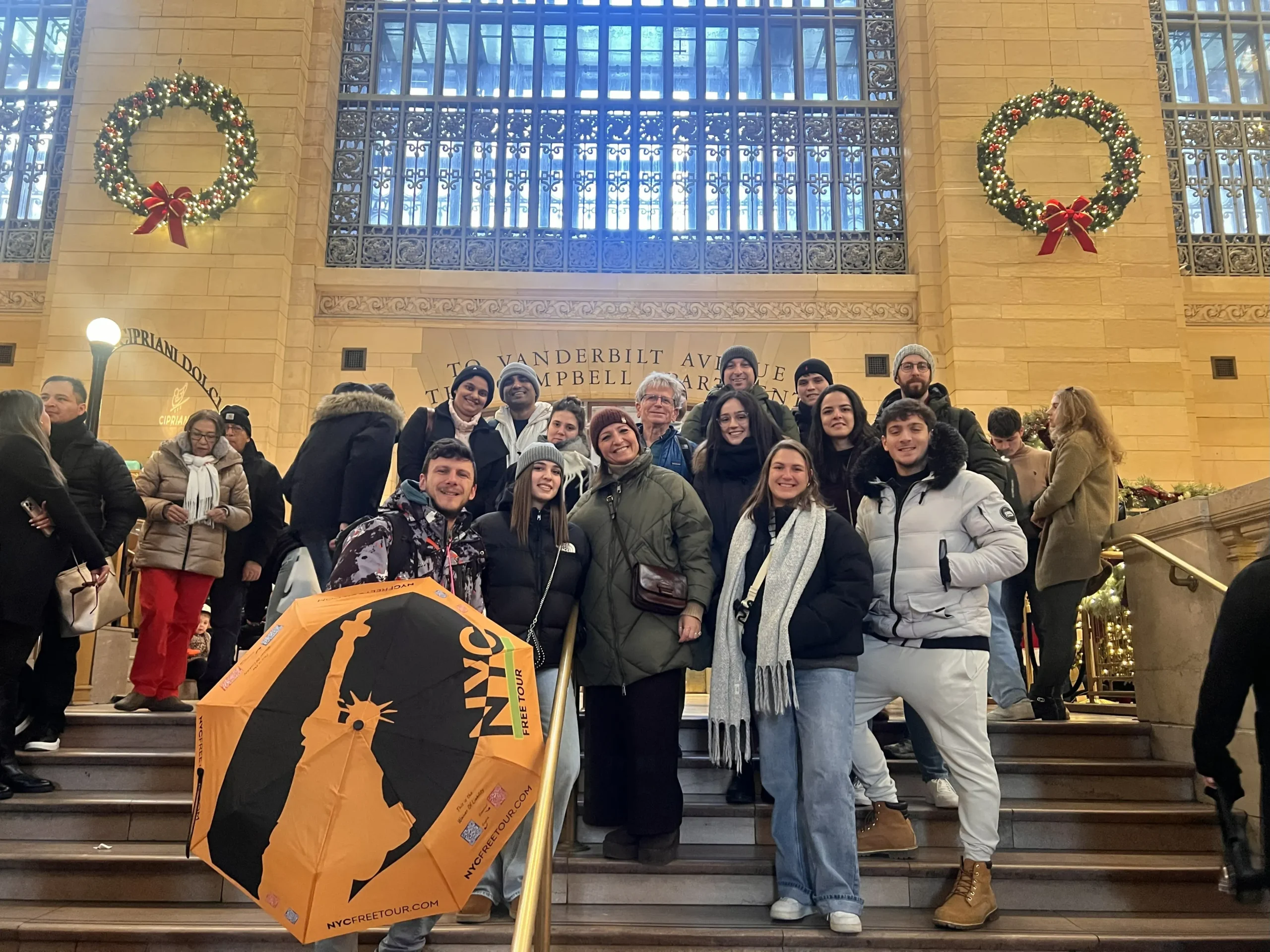
Grand Central Tour NYC: Discover Secrets, History, and Hidden Gems of the World’s Most Beautiful Station
Grand Central Terminal, an iconic symbol of New York City, is not just a transportation hub but a treasure trove of history and architectural beauty. This article delves into the secrets, historical significance, and unique features of Grand Central, offering insights that will enhance your visit. As you explore this magnificent station, you’ll uncover stories that span over a century, from its inception to its role in modern culture. Whether you’re a first-time visitor or a seasoned New Yorker, understanding the depth of Grand Central’s history and architecture will enrich your experience. We will cover its historical significance, architectural highlights, unique features, cultural impact, and provide essential visitor tips to maximize your tour experience.
Historical Significance
Grand Central Terminal has played a pivotal role in the development of New York City since its opening in 1913. As a major transportation hub, it facilitated the movement of millions of commuters and travelers, significantly impacting the city’s growth. The terminal’s architectural importance is underscored by its Beaux-Arts design, which reflects the grandeur of the early 20th century. Additionally, Grand Central has been a cultural landmark, appearing in numerous films and serving as a backdrop for significant events, thus cementing its place in the collective memory of New Yorkers and visitors alike.
This perspective highlights how Grand Central Terminal exemplifies the crucial role of transport hubs in shaping modern urban environments.
Grand Central: A Historic Transport Hub in Modern Metropolises
The contemporary urban landscape emerges as a dynamic and multiform stage, imbued with an incessant dialogue between past and present. In this vibrant arena, modern cities reveal an intricate and sophisticated mosaic, dictated by the coexistence of heterogeneous urban stratifications, sedimented over the centuries. This urban phenomenology inevitably reflects a rich texture of historical, architectural, socio-economic, and cultural imprints that, taken together, constitute the unique and unmistakable identity of each metropolis. When carefully observing these stratifications, it is impossible not to notice the pervasive and dominant presence of transport infrastructures, particularly the large HUBs, understood as vital and neuralgic epicentres of urban mobility networks.
… and stratifications in contemporary metropolises: investigating the relationship with transport infrastructure and the challenge of integrating historical …, 2024
Architectural Highlights

The architectural features of Grand Central Terminal are nothing short of breathtaking. The station is renowned for its stunning Beaux-Arts design, characterized by its grand façade and intricate details. One of the most striking elements is the celestial ceiling in the Main Concourse, adorned with constellations that captivate visitors. The Opal Clock, located above the information booth, is another iconic feature, symbolizing the passage of time in this bustling hub. These architectural highlights not only enhance the aesthetic appeal of the terminal but also serve as a testament to the craftsmanship of the era.
The Beaux-Arts style, prominently featured in Grand Central, is a classical architectural tradition known for its grand facades and rich ornamentation.
Grand Central’s Beaux-Arts Architecture: History & Style
The Beaux-Arts style takes its name from the Ecole des Beaux-Arts in Paris, where many of the main exponents of the style studied. The Beaux-Arts style was widely applied during the second half of the nineteenth century and well into the twentieth century in the United States. The classical tradition both in art and architecture was the almost sole focus of its teaching. Unconcerned with matters of engineering and building construction, students studied ancient Greek and Roman architecture as well as some Renaissance and Baroque examples. This rigidly academic teaching method resulted in a relatively consistent Beaux-Arts style. Grandly classical facades were layered with rich ornamentation and sculpture.All of this contributed to a style of architecture that was theatre-like in its artificiality, yet rare theatrical: its academically determined composition of ornament and sculpture verged on a concept of architecture as image.
Beaux-Arts Architecture
Unique Features
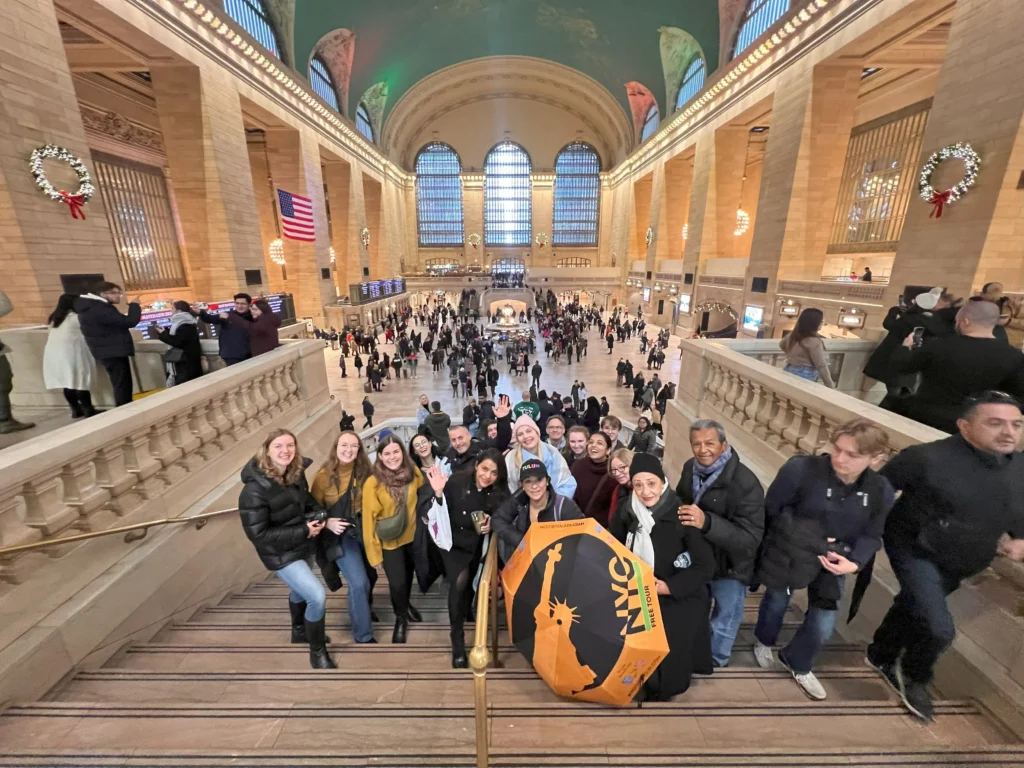
Grand Central Terminal is home to several unique features that set it apart from other transit stations. Among these is the Whispering Gallery, where visitors can experience the fascinating acoustics that allow whispers to travel across the archway. Another hidden gem is the secret platform, Track 61, which was once used by President Franklin D. Roosevelt. Additionally, the Grand Central Market offers a delightful array of food vendors, making it a perfect stop for visitors looking to indulge in local cuisine. These unique features contribute to the charm and allure of Grand Central, making it a must-visit destination.
The unique acoustic properties of the Whispering Gallery are a fascinating example of a universal wave phenomenon.
Understanding Grand Central’s Whispering Gallery Acoustics
Whispering gallery modes, which are strongly localized near the boundary of a curved body, are a universal wave phenomenon. They are known in optics, acoustics, and quantum mechanics. The first whispering gallery modes (WGMs) were acoustical ones. The recent upsurge of interest to acoustic WGMs (AWGMs) is due to their potential for various applications, including high-resolution sensing, filtering, and communication.
Acoustic whispering gallery modes within the theory of elasticity, I Breunig, 2015
Cultural Impact
The cultural significance of Grand Central Terminal extends beyond its architectural beauty. The station has been featured in countless films, television shows, and literature, reinforcing its status as a cultural icon. Its preservation efforts have sparked public advocacy, ensuring that future generations can appreciate its historical and architectural value. Grand Central’s role in popular culture highlights its importance not just as a transit hub but as a symbol of New York City’s resilience and vibrancy.
Visitor Tips and Tour Experience
To make the most of your visit to Grand Central Terminal, consider the following tips:
- Must-See Attractions: Don’t miss the celestial ceiling, the Whispering Gallery, and the Opal Clock.
- Recommended Guided Tours: Joining a guided tour can provide deeper insights into the terminal’s history and architecture.
- Best Times to Visit: Early mornings or late afternoons are ideal for avoiding crowds and enjoying a more leisurely experience.
How Can Visitors Maximize Their Grand Central Tour Experience?
Visitors can enhance their Grand Central experience by planning ahead. Arriving early allows you to explore the terminal before the crowds arrive. Consider taking a guided tour to gain insights from knowledgeable guides who can share fascinating stories and lesser-known facts about the terminal. Additionally, be sure to allocate time to visit the Grand Central Market for a taste of local delicacies.
What are the best times and tips for joining free walking tours?
Free walking tours are a fantastic way to explore Grand Central Terminal and its surroundings. The best times to join these tours are during weekdays when the foot traffic is lighter. Many tours operate on a tip-based model, so be prepared to show appreciation for your guide’s efforts. Check local listings for schedules and availability to ensure you don’t miss out on this enriching experience.
How does tipping support guides and improve tour quality?
Tipping is an essential aspect of the free walking tour model, as it directly supports the guides who provide valuable insights and enhance the overall experience. A well-tipped guide is often more motivated to deliver an engaging and informative tour, ensuring that visitors leave with a deeper appreciation of the terminal’s history and significance. By tipping, you contribute to the sustainability of these tours and help maintain high-quality experiences for future visitors.
Different aspects of the Grand Central tour experience can be compared to help visitors understand what to expect.
| Feature | Description | Value |
|---|---|---|
| Guided Tours | Expert-led explorations of the terminal | In-depth historical insights |
| Self-Guided Tours | Flexible exploration at your own pace | Personal discovery |
| Free Walking Tours | Community-led experiences | Cost-effective learning |
This comparison highlights the various ways visitors can engage with Grand Central Terminal, catering to different preferences and budgets.
Leave a Reply