
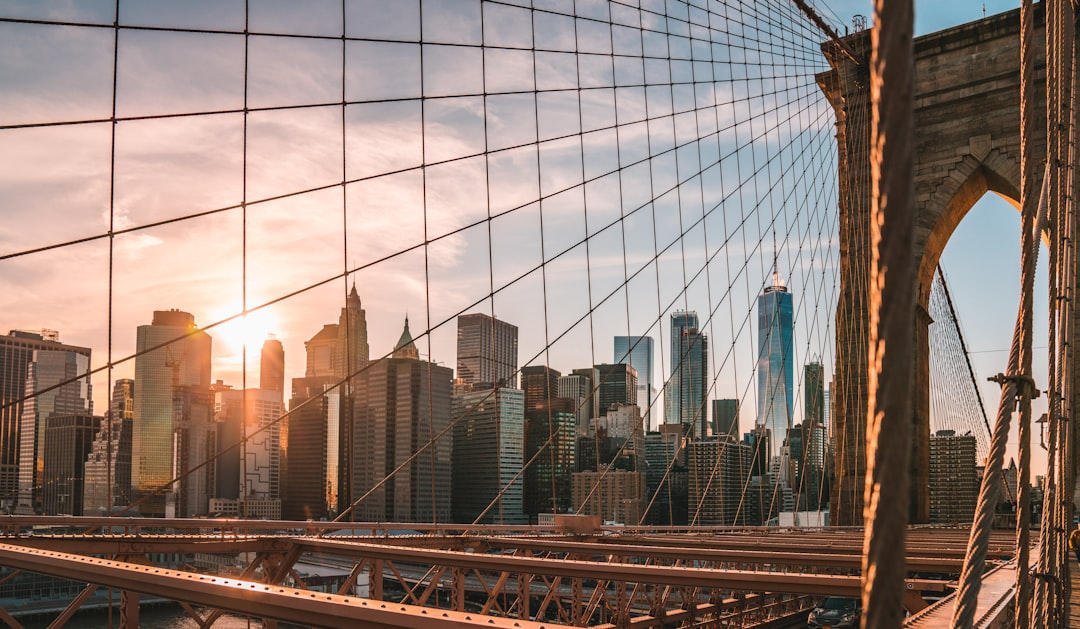
Brooklyn Bridge Walking Tour NYC: Complete Self-Guided Guide
The Brooklyn Bridge is not just a vital transportation link; it is a historical landmark that embodies the spirit of New York City. This self-guided walking tour allows visitors to explore the bridge at their own pace, uncovering its rich history and stunning views. In this guide, you will learn about the essential history of the Brooklyn Bridge, the recommended walking route, practical tips for your visit, and how to engage with guides if you choose to join a tour. Whether you’re a first-time visitor or a seasoned New Yorker, this guide will enhance your experience of one of the city’s most iconic structures.
Overview:
The Brooklyn Bridge, completed in 1883, is a marvel of engineering and a symbol of New York City. Spanning approximately 1,834 meters (5,989 feet), it connects Manhattan and Brooklyn, offering breathtaking views of the skyline and the East River. As one of the oldest suspension bridges in the United States, it attracts millions of tourists each year, making it a must-see attraction for anyone visiting NYC.
Essential History:
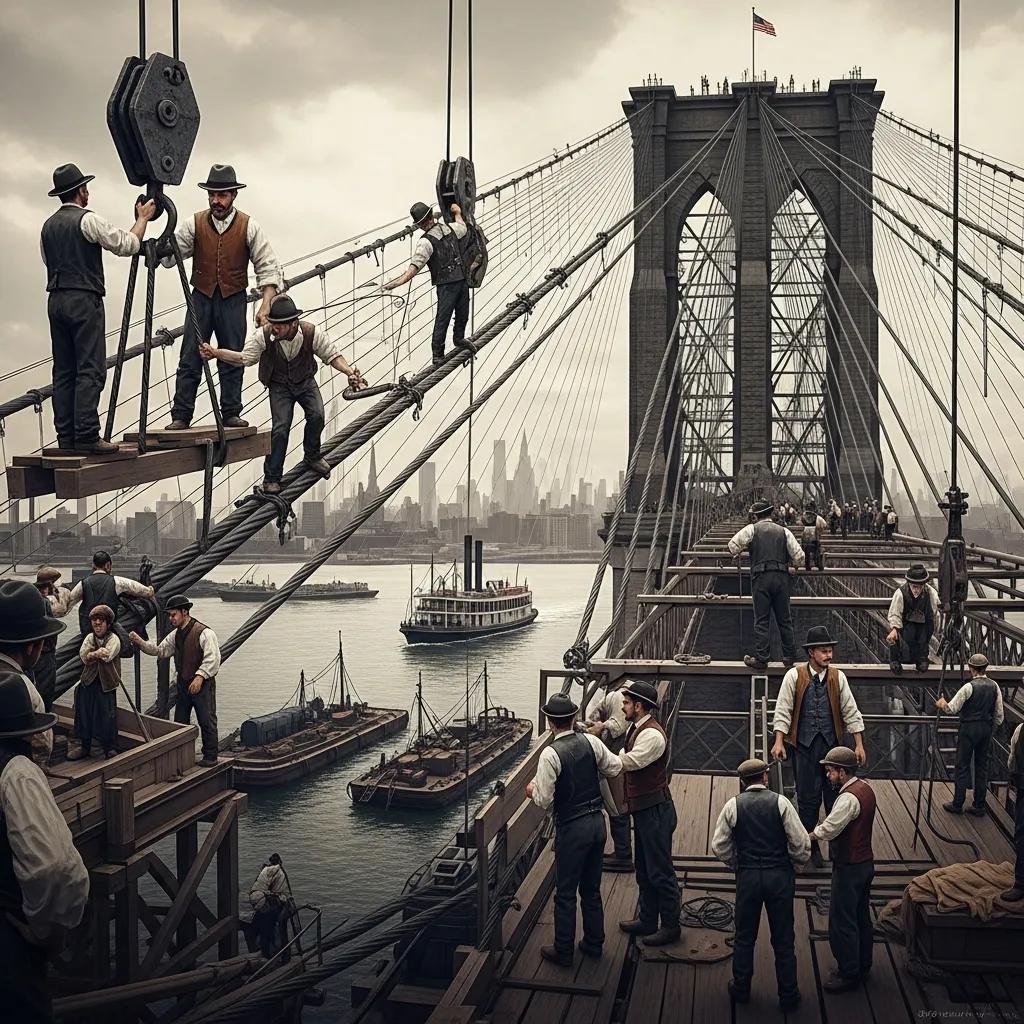
The Brooklyn Bridge’s construction began in 1869 and took 14 years to complete, with John A. Roebling as the chief engineer. Tragically, Roebling died before the bridge was finished, and his son, Washington Roebling, took over the project. The bridge was a groundbreaking achievement, utilizing steel cables and innovative techniques that set the standard for future bridge construction. Its completion marked a significant milestone in American engineering and urban development.
Recommended Route:
To fully appreciate the Brooklyn Bridge, start your walk at City Hall Park in Manhattan. From there, you will cross the bridge, taking in key landmarks along the way. Notable sights include the bridge’s iconic towers, the Manhattan skyline, and the DUMBO area in Brooklyn, which offers fantastic photo opportunities. The walk typically takes about 30-40 minutes, depending on your pace and how often you stop to take pictures.
Practical Tips:
When planning your visit to the Brooklyn Bridge, consider the following tips to enhance your experience:
- Best Times to Visit: Early mornings or late afternoons are ideal for avoiding crowds and enjoying cooler temperatures.
- What to Bring: Comfortable walking shoes, water, and a camera are essential for a pleasant experience.
- Safety Guidelines: Stay on the designated pedestrian path and be aware of cyclists sharing the space.
For those interested in a guided experience, NYC Free Tour offers engaging walking tours that delve deeper into the bridge’s history and significance.
Accessibility:
The Brooklyn Bridge is accessible to all visitors, with ramps available for those with mobility challenges. However, be aware that there may be temporary closures for maintenance or events. Always check for updates before your visit to ensure a smooth experience.
Engaging with Guides:
If you choose to join a guided tour, engaging with your guide can significantly enhance your understanding of the bridge’s history. Don’t hesitate to ask questions and share your interests, as this interaction can lead to a more enriching experience.
Booking Your Tour:
Booking a tour of the Brooklyn Bridge is straightforward. Many companies, including NYC Free Tour, operate on a pay-what-you-wish model, allowing you to contribute based on your experience. Typical tipping amounts range from $10 to $20 per person, depending on the quality of the tour.
What is the Brooklyn Bridge Walking Tour and Why Choose a Self-Guided Route?
The Brooklyn Bridge Walking Tour is an opportunity to explore one of New York City’s most iconic landmarks at your own pace. A self-guided route offers flexibility, allowing you to spend as much time as you like at each landmark. This approach is cost-effective and provides a personal exploration experience, making it ideal for those who prefer to set their own itinerary.
How does the self-guided Brooklyn Bridge tour work?
A self-guided tour of the Brooklyn Bridge typically involves downloading a map or guide that outlines the route and key points of interest. You can start at your convenience, and the tour can last anywhere from 30 minutes to several hours, depending on how much you wish to explore. This format allows for a leisurely pace, perfect for taking photos and enjoying the views.
What are the benefits of free walking tours in New York City?
Free walking tours in New York City offer several advantages:
- Affordability: These tours allow you to explore the city without a hefty price tag.
- Local Insights: Guides often share personal stories and local knowledge that enhance your understanding of the area.
- Cultural Immersion: Walking tours provide a unique opportunity to experience the city’s culture and history up close.
What is the Historical Significance of the Brooklyn Bridge?
The Brooklyn Bridge is historically significant for several reasons. It was the first steel-wire suspension bridge and represented a major advancement in engineering. The bridge also symbolizes the growth of New York City as a metropolis, connecting two boroughs and facilitating commerce and transportation. Its construction was a testament to human ingenuity and determination, making it a cultural icon.
When was the Brooklyn Bridge built and who was the architect?
Construction of the Brooklyn Bridge began in 1869 and was completed in 1883. The chief architect was John A. Roebling, who tragically died during the project. His son, Washington Roebling, took over and successfully completed the bridge, which has since become a symbol of innovation and resilience.
How does the Brooklyn Bridge reflect NYC’s cultural heritage?
The Brooklyn Bridge reflects New York City’s cultural heritage by serving as a symbol of progress and unity. It has been featured in countless films, photographs, and artworks, representing the city’s spirit and its ability to overcome challenges. The bridge stands as a testament to the diverse communities that have shaped New York City over the years.
How to Navigate the Brooklyn Bridge Pedestrian Tour Route?
Navigating the Brooklyn Bridge pedestrian route is straightforward. Start at City Hall Park, follow the designated pedestrian path, and enjoy the views as you walk towards Brooklyn. Key landmarks along the way include the bridge’s towers and the scenic views of the Manhattan skyline. Be sure to stay aware of your surroundings, especially with cyclists sharing the path.
What are the key landmarks and photography spots along the bridge?
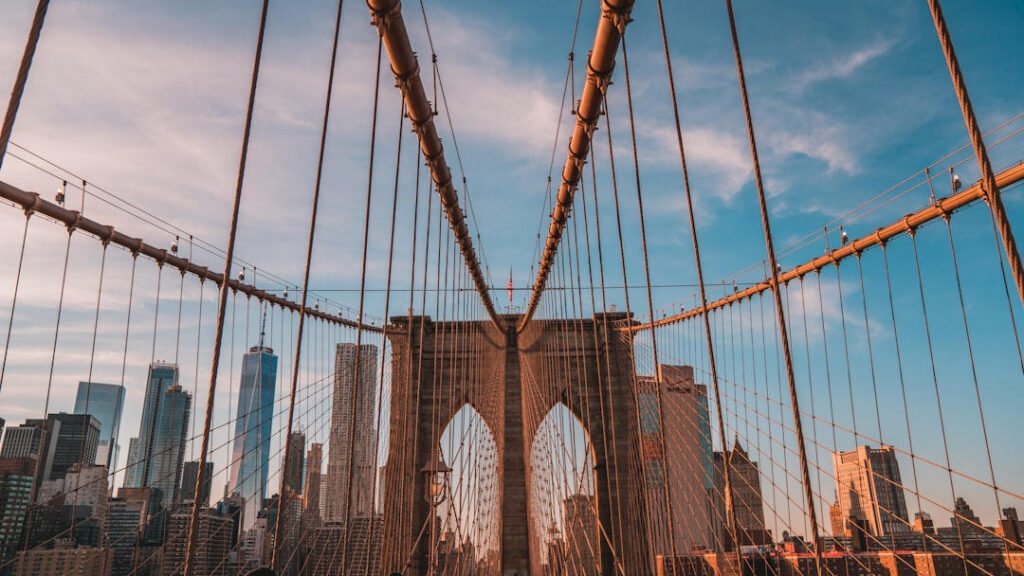
As you walk across the Brooklyn Bridge, be sure to stop at these key landmarks for great photo opportunities:
- Bridge Towers: The iconic Gothic-style towers are a must-see.
- Manhattan Skyline: Capture stunning views of the skyline from the bridge.
- DUMBO Area: This neighborhood offers picturesque views of the bridge framed by historic buildings.
What Safety Tips and Etiquette Should I Know for the Brooklyn Bridge Tour?
When visiting the Brooklyn Bridge, keep these safety tips and etiquette in mind:
- Stay on the Pedestrian Path: This ensures your safety and the safety of others.
- Be Aware of Cyclists: The bridge is shared with cyclists, so stay alert.
- Dress Comfortably: Wear appropriate footwear and clothing for walking.
How to stay safe while walking the Brooklyn Bridge?
To ensure your safety while walking the Brooklyn Bridge, avoid distractions such as using your phone excessively. Plan your timing to avoid peak hours, and stay hydrated, especially during warmer months. Being aware of your surroundings will enhance your experience and keep you safe.
What is the recommended tipping etiquette for NYC Free Tour guides?
When participating in a free walking tour, it is customary to tip your guide based on your experience. A typical amount ranges from $10 to $20 per person, reflecting the quality of the tour and the guide’s expertise. Tipping is a way to show appreciation for the guide’s efforts in providing an informative and enjoyable experience.
Leave a Reply