
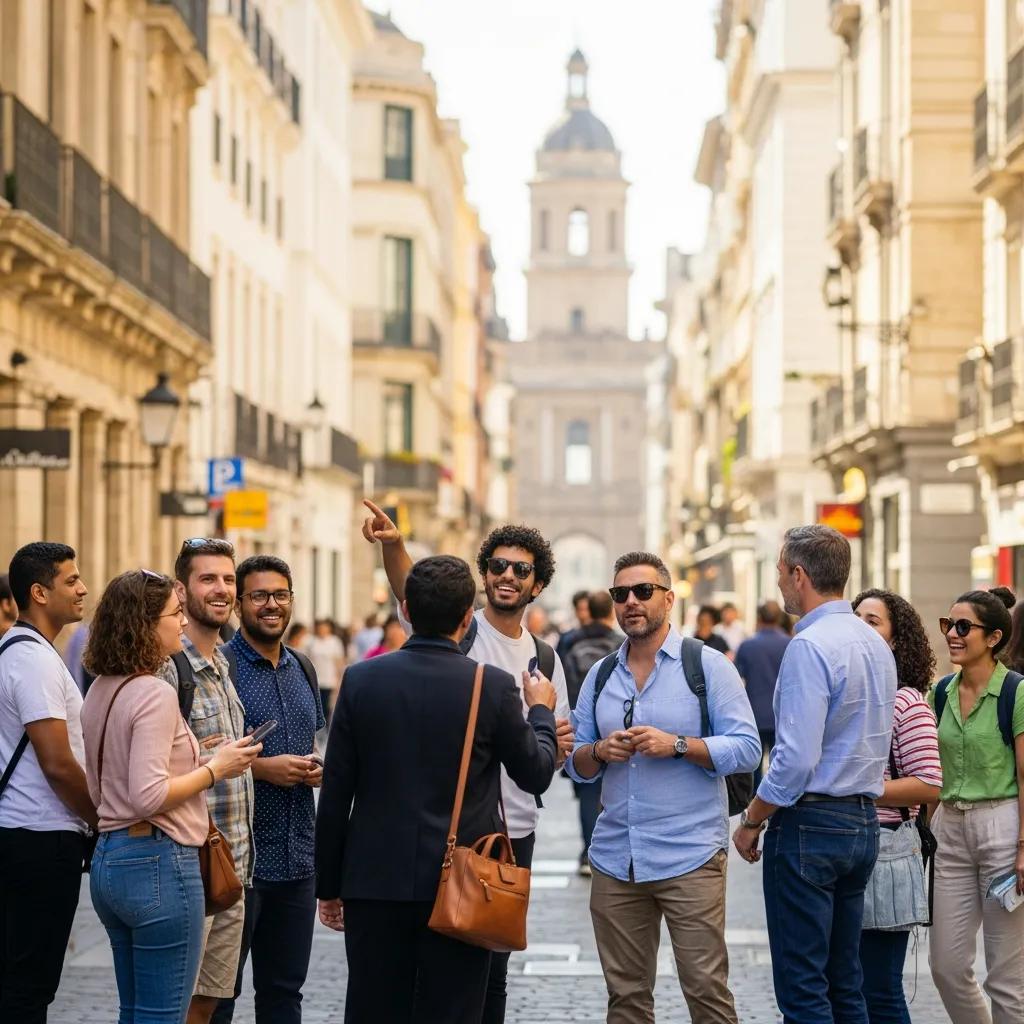
Best Cities for Free Walking Tours Worldwide: Discover Top Global Free Walking Experiences
Free walking tours—often run as pay-what-you-wish, guide-led city walks—offer a low-cost, high-context way to learn a destination’s history, architecture, and culture in a single outing. This guide explains how these tours work, why they’re a top pick for budget and experience-driven travelers, and which cities worldwide deliver the most rewarding free walking experiences. Many travelers struggle to choose between pricey guided excursions and impersonal apps; free walking tours bridge that gap by combining live local narration with flexible payment, making them ideal for solo explorers, budget-conscious groups, and first-time visitors. Below we map core benefits, the mechanics of pay-what-you-wish models, regional standout cities (Europe, North America, Asia, South America), practical booking and tipping strategies, and how the global Free Tour Community helps travelers find vetted options. Throughout, you’ll find actionable tips, comparative tables, and real-world examples to plan smarter, more insightful city walks.
Why Are Free Walking Tours the Best Budget City Tours?
Free walking tours are budget-friendly guided tours that rely on voluntary payments, delivering high-value local insight without an upfront fixed fee. The mechanism—local guides sharing narratives and curated routes—creates immediate cultural context and fosters engagement, while the pay-what-you-wish model aligns guide incentives with guest satisfaction. These tours are especially valuable for travelers seeking authenticity, quick orientation, and flexible commitment; they provide core orientation that often leads to deeper independent exploration. Below is a concise list of the principal benefits to help readers quickly absorb why free walking tours are frequently the best choice for budget-conscious, curious travelers.
Free walking tours deliver several clear benefits:
- Affordability makes them accessible to most travelers while preserving quality through voluntary compensation.
- Authentic local insight provides stories, neighborhood context, and off-the-map recommendations you won’t find in guidebooks.
- Flexibility allows travelers to join without a big time or money commitment and decide value afterward.
- Orientation and safety guidance help newcomers navigate transit, common etiquette, and key landmarks efficiently.
These benefits explain why many travelers prefer free walking tours as an introductory experience; understanding how the pay-what-you-wish model works clarifies both guest expectations and guide incentives.
How Do Pay-What-You-Wish Free Walking Tours Work?
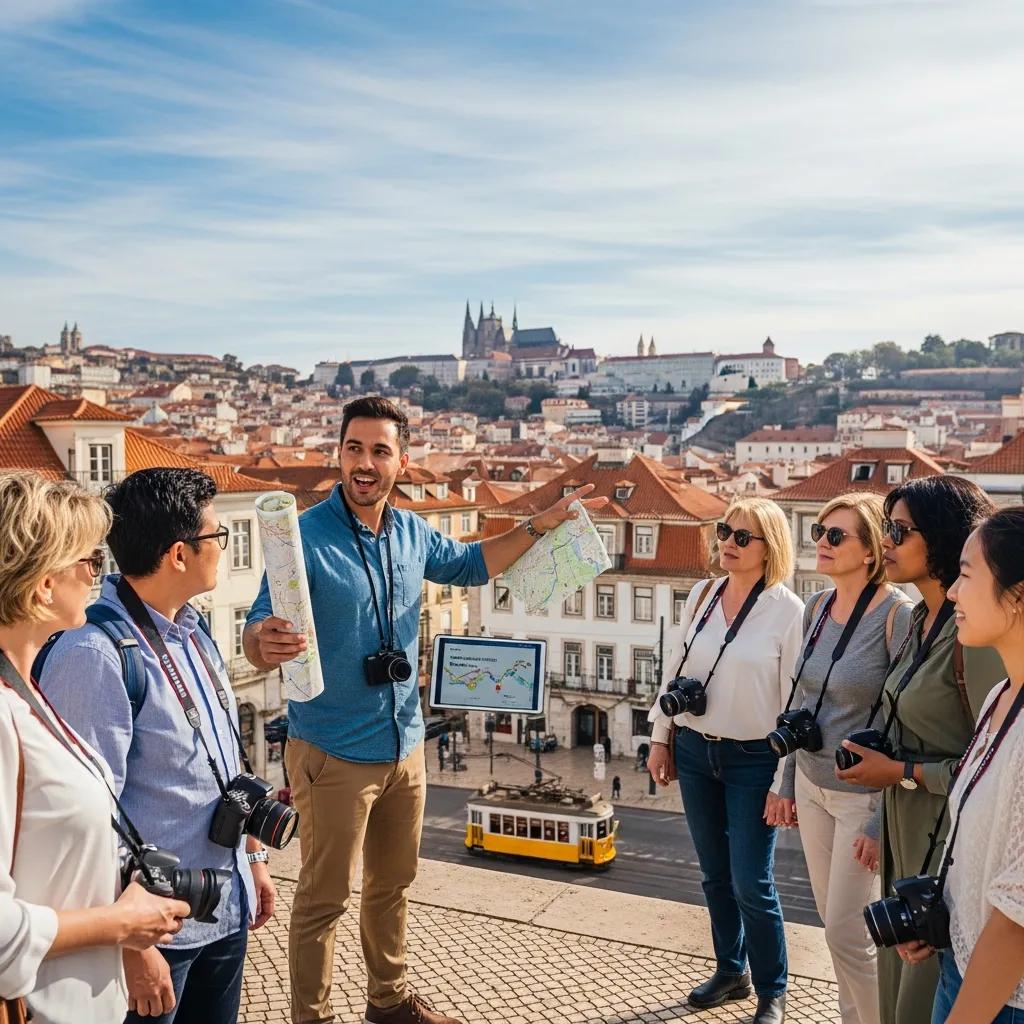
Pay-what-you-wish tours begin with a public meeting point where a local guide introduces the route, themes, and expected duration, typically 1.5–2 hours for urban center walks. The operational flow is straightforward: meet at the announced spot, follow the planned route with stops for stories and photos, participate in Q&A, and conclude with an informal tipping moment based on satisfaction. This model incentivizes engaging, accurate commentary because guide compensation depends on the perceived value delivered, aligning customer experience with guide performance. Social norms vary by city, but the common expectation is to tip according to enjoyment and local cost of living; being informed about regional tipping norms before joining helps avoid awkwardness at the end.
This operational clarity reduces friction for first-time participants and encourages guides to tailor narratives to the group’s interests, which in turn enhances perceived tour value and often yields generous voluntary compensation that supports local guiding communities.
What Unique Local Insights Do Free Walking Tours Offer?
Free walking tours excel at delivering intangible, locally grounded insights such as neighborhood origin stories, personal guide anecdotes, and practical recommendations for food, hidden viewpoints, or quieter streets. Guides commonly share meronyms of the tour experience—specific stops, local businesses, and micro-histories—that combine to form a richer mental map than a map app alone provides. Examples include small-plate restaurant suggestions away from tourist traps, shortcuts that reveal interesting façades, or lesser-known monuments that explain a city’s social fabric in a few anecdotes. These insider perspectives not only make landmarks meaningful but also equip travelers with next-step ideas for independent exploration after the walk.
These unique local insights are crucial for developing authentic tourism experiences that go beyond standard offerings, as highlighted by recent research.
Creating Authentic Local Tourism Experiences for Visitors
This paper investigates the crucial role of local tourism product development in creating authentic and unique visitor experiences, moving beyond standardized mass tourism approaches. It employs a mixed-methods approach, combining qualitative data from semi-structured interviews with tourism stakeholders and quantitative data from visitor surveys, to analyze the key factors that contribute to the perceived authenticity and uniqueness of local tourism products. The study examines various types of local products, including cultural heritage tours, eco-tourism adventures, culinary experiences, and community-based tourism initiatives, focusing on the importance of local resource utilization, community involvement, and experiential design. The findings highlight the significant impact of authenticity and uniqueness on visitor satisfaction, destination image, and economic benefits for local communities. The analysis emphasizes the need for a collaborative, participatory, and sustaina
DEVELOPING LOCAL TOURISM PRODUCTS: CREATING AUTHENTIC AND UNIQUE EXPERIENCES FOR VISITORS, 2025
By prompting participants to ask targeted questions—about architecture, local customs, or food—free walking tours convert a passive sight-seeing list into an interactive learning session that often seeds longer itineraries and offbeat discoveries.
Which Cities Are Top Picks for Free Walking Tours Globally?
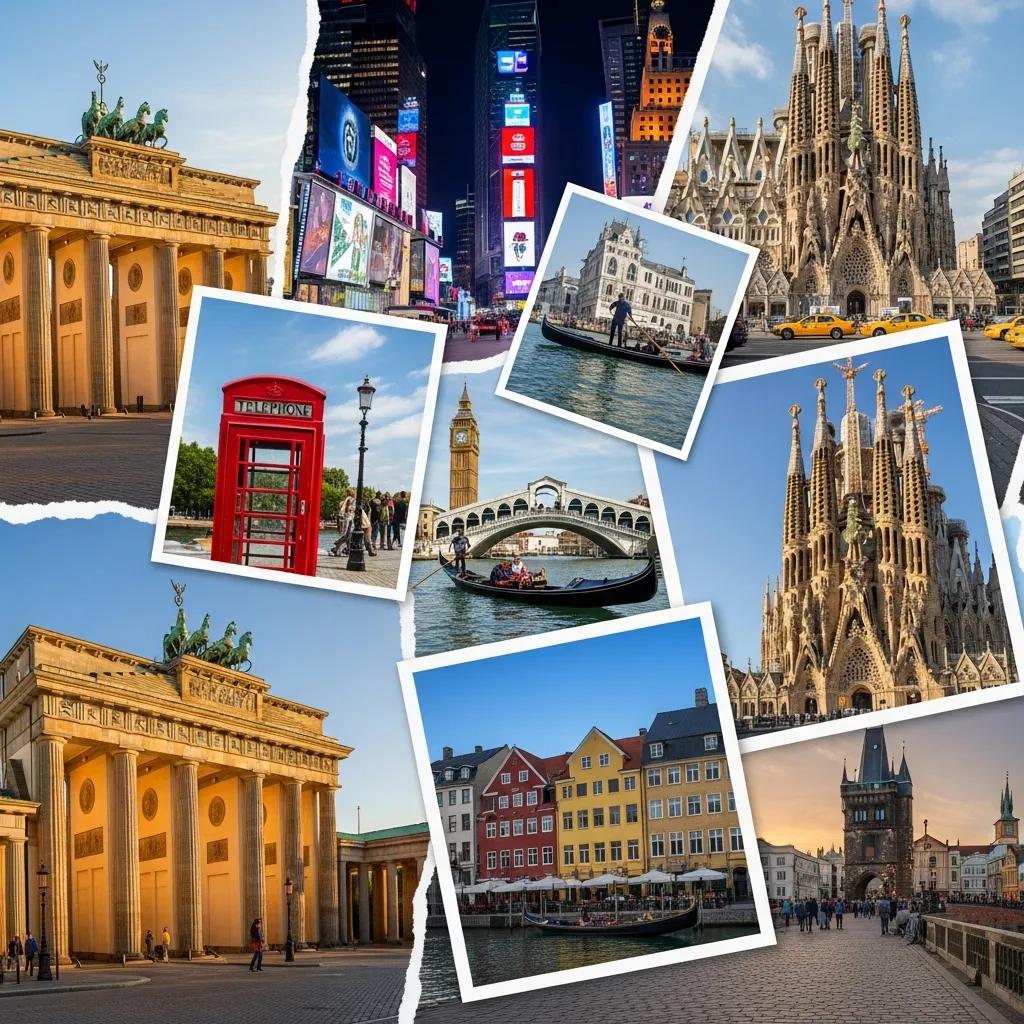
Cities with dense historic cores, established guide communities, and walkable layouts tend to offer the best free walking tours worldwide. Below we group top picks by region and explain what each offers in terms of typical tour focus and traveler appeal. This regional framework helps match traveler interests—history, architecture, food, nightlife—to cities that consistently deliver thoughtful, well-structured free tours.
- Europe: Cities like Berlin, Barcelona, and Prague provide compact centers, deep historical layers, and diverse thematic walks.
- North America: Cities such as New York City combine iconic landmarks with neighborhood storytelling and diverse tour themes.
- Asia & South America: Capitals and colonial-era centers offer culturally rich walks; look for local directories and community listings for reliable options.
These regional highlights show where free walking tours flourish; the table below offers a quick side-by-side comparison to help travelers choose according to interest and travel style.
| City | Typical Tour Focus | Why it’s Ideal |
|---|---|---|
| Berlin | 20th-century history, Cold War sites | Dense historical sites and a strong guide culture make layered narratives accessible on foot |
| Barcelona | Architecture and modernism (Gaudí) | Walkable neighborhoods packed with architectural highlights and themed tours |
| New York City | Iconic landmarks and neighborhood stories | High tourism demand and diverse storytelling opportunities across neighborhoods |
| Prague | Medieval core and literary history | Compact, walkable center where walking reveals continuous historic fabric |
This comparison clarifies how city characteristics—walkability, concentrated landmarks, and guide networks—shape the free-walk experience, guiding travelers toward cities that match their interests.
What Makes European Cities Like Berlin and Barcelona Ideal for Free Walking Tours?
European cities commonly feature compact historic centers, pedestrian-friendly layouts, and dense layers of cultural sites, which together create ideal conditions for short guided walks. Berlin’s patchwork of Cold War sites, memorials, and contemporary culture allows guides to juxtapose political history with urban regeneration narratives, while Barcelona’s concentration of modernist architecture enables thematic tours focused on architects, public art, or Gothic quarters. Local guide communities in these cities often produce specialized walks—food, architecture, or alternative culture—that satisfy niche interests without requiring paid museum entries. Because many European centers cluster major sights within walking distance, free tours can efficiently orient visitors and reveal relationships between landmarks that individual wandering might miss.
These compact and theme-rich environments reinforce why free walking tours in Europe often offer both breadth and depth, prompting many travelers to use a free tour as their first activity after arrival to gain contextual bearings for deeper exploration.
Why Are North American Cities Such as New York City Great for Free Walking Tours?
North American cities bring diverse narratives, iconic landmarks, and strong storytelling opportunities that suit live guided formats, and New York City is a prime example due to its layered neighborhoods and global cultural influence. The Midtown Manhattan Free Walking Tour demonstrates these strengths with a focused 2-hour, approximately 1.5-mile route that highlights landmarks like Bryant Park, Rockefeller Center, and Times Square while using local guides to weave historical and architectural context into accessible narratives. Operated on a pay-what-you-wish basis, the tour emphasizes local perspective and community-driven guiding; the operator noted in SERP reports is a member of the Free Tour Community and has earned high traveler ratings on review platforms. For travelers, such Midtown walks provide both rapid orientation and a series of follow-up recommendations for food, museums, and transit.
Using a city-specific case study like Midtown Manhattan shows how free walking tours translate iconic sights into coherent stories that help travelers prioritize next steps in a vast urban environment.
How Can Travelers Make the Most of Their Free Walking Tour Experience?
Maximizing value from free walking tours combines practical preparation with respectful participation and follow-up support for guides. Effective strategies include booking or checking schedules in advance when required, arriving early to secure a spot and hear the guide’s pre-walk briefing, bringing essentials like water and weather-appropriate clothing, and preparing a few targeted questions to steer commentary toward your interests. Etiquette matters: punctuality, attention during stops, and a fair tip at the end sustain the pay-what-you-wish ecosystem by ensuring guides receive earned compensation. The table below summarizes actionable tips with when to use them and expected results to help travelers plan confidently.
Practical tips condensed into a usable format:
| Tip | When to Use | Example/Result |
|---|---|---|
| Book or confirm schedule | High season or limited-capacity tours | Secure a spot and avoid last-minute disappointment |
| Arrive 10 minutes early | Urban meeting points and large groups | Hear introductions and get a front-row placement |
| Bring water and sun protection | Summer or full-day walks | Stay comfortable and attentive throughout the tour |
| Prepare 1–2 questions | To tailor the guide’s commentary | Receive focused local tips and off-route suggestions |
These practical steps reduce friction and increase learning; the next list provides an essential checklist to follow before and during the tour.
When preparing for a free walking tour, follow these essential steps:
- Book or check the schedule in advance: Secure your place during busy seasons to avoid being turned away.
- Arrive early at the meeting point: Early arrival ensures you hear the guide’s briefing and helps the group start on time.
- Bring essentials like water, comfortable shoes, and weather gear: Comfort increases attention and enjoyment during the route.
- Ask focused questions that match your interests: Guides can adapt stories or point to off-route recommendations when prompted.
What Are Essential Tips for Booking and Participating in Free Walking Tours?
Booking and participation are simple but benefit from small habits that improve both experience and etiquette; these include verifying meeting points, reading recent reviews for schedule changes, and understanding cancellation protocols where posted. Many free-tour operators recommend early booking for peak days, though walk-up participation remains common in many cities; if a tour requires pre-registration, treat that as mandatory. On arrival, listen to the guide’s orientation remarks about safety, photography, and movement between stops so the group maintains flow and cohesion. Finally, partake actively: answering prompts, asking contextual questions, and noting guide recommendations for food or nearby museums extends the learning beyond the route.
How Should Guests Approach Tipping and Supporting Local Guides?
Tipping sustains the pay-what-you-wish model and should be approached with the mindset that guides rely on voluntary contributions as primary income for free-format tours. Rather than thinking in absolute terms, assess tipping as a function of local cost of living, tour length, and guide engagement; for many travelers a midpoint contribution reflects fair value, while exceptional experiences warrant higher appreciation. Alternative ways to support guides include leaving positive reviews on travel platforms, recommending the tour to other guests, and joining paid specialty tours when available. Expressing appreciation through verbal thanks and follow-up reviews helps maintain a vibrant, community-driven guiding ecosystem that benefits future travelers.
What Is the Free Tour Community and How Does It Enhance Global Free Walking Tours?
The Free Tour Community is a global network of independent local free tour initiatives operating across many countries that promotes shared best practices, visibility, and traveler-friendly directories. As a hypernym for organized, community-driven free guiding, the network helps connect travelers with vetted local guides by aggregating information, promoting standard expectations around meeting points and tour descriptions, and encouraging peer-reviewed quality signals. The community’s scope—covering dozens of countries—creates a recognizable quality cue for travelers seeking reliable, pay-what-you-wish experiences. Notably, the Midtown Manhattan operator referenced in SERP summaries is listed as a member of this community, which provides an additional layer of credibility when selecting tours.
This network-level coordination reduces search friction for travelers and creates channels for guide communication and training that raise baseline quality across regions.
How Does the Free Tour Community Connect Travelers with Local Guides Worldwide?
The community connects travelers and guides through centralized listings, local partner networks, and shared informational standards that make tour discovery more transparent. Travelers typically use regional directories and community-endorsed listings to compare tour themes, schedules, and language availability, which helps filter options quickly for specific interests like architecture or food. The community also encourages guides to standardize meeting point descriptions and route summaries, improving predictability for participants and reducing missed starts. The operator noted in SERP reports is among those listed as a member, illustrating how individual city providers participate in the broader directory model to increase visibility and traveler trust.
By using community channels, travelers gain access to a curated set of providers whose practices and descriptions are easier to verify before arrival.
Why Is Membership in the Free Tour Community a Mark of Quality?
Membership functions as a soft credential: it signals that a provider participates in shared practices, values transparency, and can be found through community-maintained directories that prioritize traveler information. While membership is not a formal certification, it reduces information asymmetry by indicating the provider engages with a larger peer network, shares route information, and benefits from community referrals. Travelers can use membership cues alongside recent reviews and guide bios to form a holistic assessment of tour reliability and style. Because the Midtown Manhattan tour operator appears in community listings, potential guests can view that membership as one of several practical signals to weigh when choosing a free walking tour.
This combination of community signals, reviews, and transparent descriptions simplifies decision-making for travelers navigating many options in unfamiliar cities.
Which International Free Walking Guides and Tours Should You Explore Next?
Beyond Europe and North America, Asia and South America offer a wealth of free walking tours that reveal colonial layers, market life, and rapidly evolving urban scenes; finding reliable options requires region-specific search tactics and cultural sensitivity. Many cities in these regions host community-listed providers, and traveler directories or local tourist offices often maintain up-to-date schedules and language offerings. Safety and cultural norms—such as different tipping conventions or local dress expectations—vary, so prioritizing recent reviews and explicit meeting-point instructions improves the chance of a smooth, rewarding experience. Use the following list of discovery tactics to find well-run free tours in less familiar markets.
Here are tactics for finding quality free walking tours in Asia and South America:
- Use local platforms and community listings to find current tour schedules and language options.
- Check recent traveler reviews for consistency on start times and guide quality.
- Confirm language availability and route specifics before arrival to avoid mismatched expectations.
How to Find and Choose Free Walking Tours in Asia and South America?
In markets where formal directories are less centralized, prioritize providers with clear meeting-point descriptions, recent traveler feedback, and visible guide bios that list languages and specialties. Local expat communities, hotel concierges, and community listings often have reliable recommendations for reputable providers; cross-check multiple sources when possible. Be mindful of cultural differences in tipping and group behavior—what is customary in one city may differ markedly in another—and ask about payment expectations upfront. Choosing providers that publish route outlines and duration helps manage expectations and ensures you join walks that fit your schedule and interests.
These verification steps improve the odds of joining a quality free walking tour and conserve time so you can invest in deeper experiences once oriented.
What Are Insider Tips for Discovering Hidden Gems on Free Walking Tours?
To surface hidden gems, engage guides with specific interests—requesting stops focused on street art, local food stalls, or industrial heritage often prompts tailored detours that reveal less-visited sites. After the tour, ask guides for precise directions to recommended spots and note names of small businesses or local dishes they mention, then plan a follow-up visit; guides frequently point to quiet cafés or family-run shops that don’t appear in mainstream guides. Joining thematic tours (food, architecture, social history) increases the likelihood of encountering niche attractions, and returning at off-peak hours often reveals a different atmosphere. Treat the free walk as a curated scouting session that seeds your next, deeper independent explorations.
These proactive behaviors convert a short guided walk into a personalized roadmap for multi-day discovery and a richer local experience.