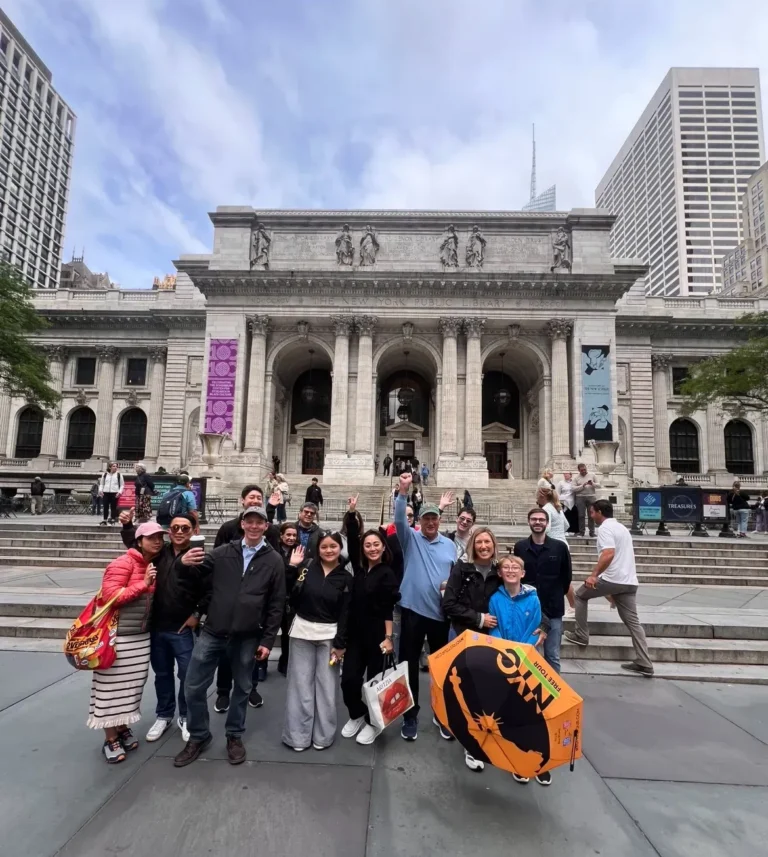
What Makes a Great Guided Walking Tour Experience? Engaging Local Insights and Personalized City Exploration
A great guided walking tour blends deep local knowledge with intentional design to turn streets and buildings into a living narrative that visitors remember long after the walk ends. This article explains what separates an average guided tour from an exceptional one, focusing on guide qualities, itinerary design, free versus private formats, and practical planning tips for Midtown Manhattan. Readers will learn how storytelling, pacing, and group dynamics shape cultural immersion, how tip-based models like the Freedom Of Speech approach influence guest experience, and how bilingual guides expand accessibility. We’ll also map concrete examples to Midtown landmarks and provide checklists and comparative tables to help you choose the right format for your travel goals. By the end you’ll have actionable criteria for evaluating “best guided walking tours,” understand how engaging NYC tour guides create memorable experiences, and know how to maximize time on a Midtown Manhattan walking tour.
What Are the Essential Qualities of a Great Tour Guide?
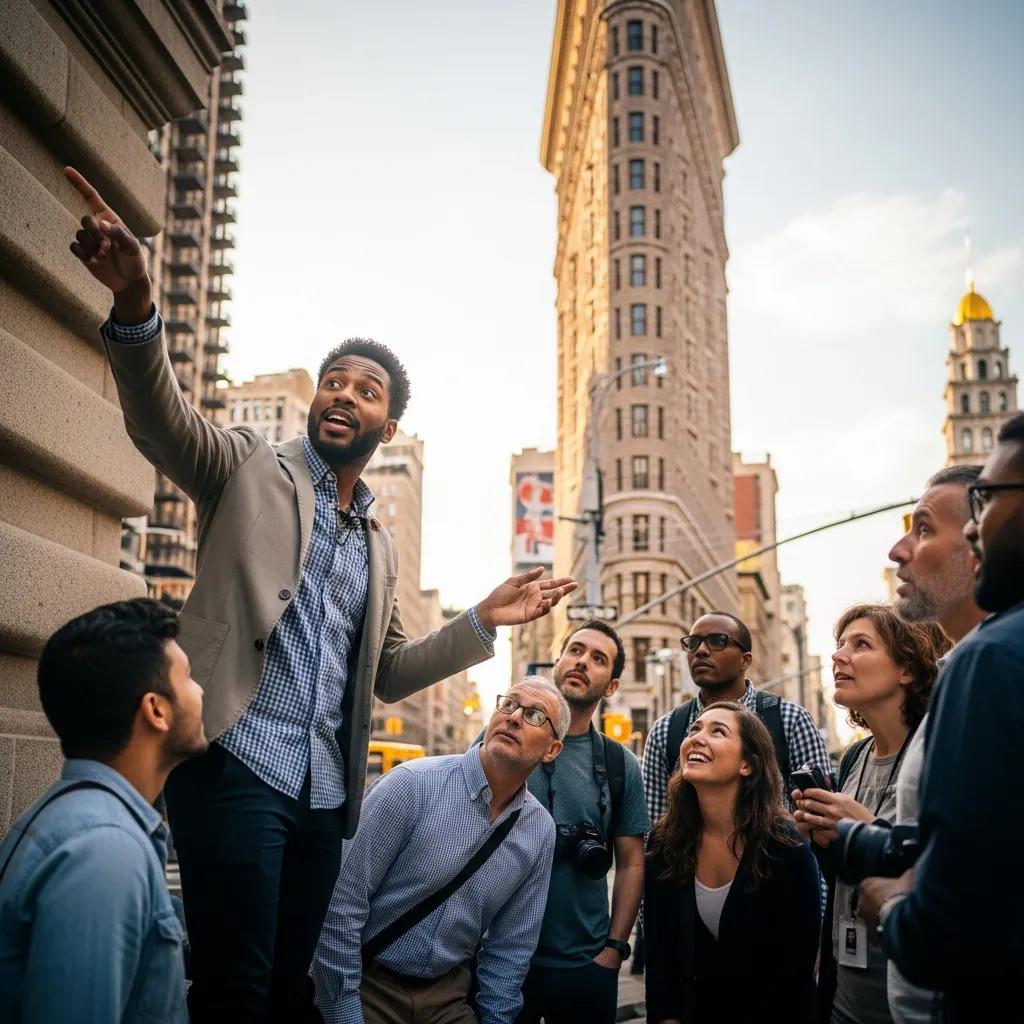
A great tour guide is a knowledgeable communicator who translates facts into meaningful stories that connect people to place and culture. Knowledge supplies accurate historical and architectural context, passion animates that context into engaging moments, and interpersonal skill ensures that groups feel included and safe—producing deeper learning and memorable experiences. Effective guides also manage pacing and crowd dynamics so guests can absorb information without fatigue. These essential qualities combine to create interactive city tours that feel both informative and personal, and they set expectations for how a tour unfolds.
Guides who excel display five core attributes that reliably improve guest satisfaction and learning outcomes. These attributes function as a checklist when evaluating guided experiences and are especially useful for visitors comparing different providers or formats.
- Knowledge: The guide demonstrates accurate historical, architectural, and cultural facts relevant to each stop.
- Passion: Enthusiasm and energy keep groups engaged and emotionally connected to the material.
- Storytelling: The guide shapes facts into narrative arcs that make history memorable and relatable.
- Interpersonal skill: Clear communication, crowd management, and responsiveness to questions create comfort.
- Language ability: Bilingual guides or clear communicators ensure broad accessibility and comprehension.
These five qualities together define the baseline for “engaging NYC tour guides,” and understanding them helps travelers set expectations before booking. The next section explains how knowledge and passion specifically translate into richer tour experiences.
How Do Knowledge and Passion Enhance the Tour Experience?
Knowledge gives a guide the factual foundation to contextualize sites, linking architectural details and dates to broader social trends and human stories. Passion turns that foundation into a compelling delivery style: when a guide cares about a subject, they choose anecdotes, sensory detail, and emotional hooks that make facts stick. For example, a guide who explains Beaux-Arts ornamentation by relating it to the ambitions of a particular patron or era helps listeners imagine the people behind the façade. That emotional connection increases retention and encourages guests to ask questions, creating a feedback loop where curiosity deepens the experience. Understanding this interplay clarifies why learning and enthusiasm matter in equal measure.
A guide’s enthusiasm also signals authenticity and accountability, which leads naturally into why storytelling techniques are central to immersive cultural tours and how they shape visitor memory.
Why Is Storytelling Key to Immersive Cultural Tours?
Storytelling is the mechanism that converts facts into meaning by organizing information around characters, conflict, and sensory detail so visitors can relate personally to place. Effective guides use short character-driven narratives, vivid sensory cues, and chronological scaffolding that link individual stops into a cohesive journey through time and culture. For instance, a micro-story about a street vendor, a displaced artist, or a construction scandal at a landmark helps listeners see the human stakes behind brick and mortar. These techniques increase engagement, encourage photo-worthy moments, and make it easier for guests to recall both specifics and broader themes. As a result, storytelling becomes the cognitive engine of a successful walking tour, sustaining attention and turning passive observation into active understanding.
This narrative focus also informs route planning and pacing, which are crucial elements of tour design covered next.
How Does Tour Design Impact the Quality of a Guided Walking Tour?
Tour design is the deliberate combination of route, pacing, and content that determines whether a walk feels coherent, comfortable, and rewarding. A thoughtfully planned itinerary balances iconic landmarks with lesser-known spots, sequences stops to minimize backtracking, and inserts rest or interactive moments to prevent fatigue. Good design also integrates prompts for observation and conversation so guests actively engage rather than passively follow. These choices directly affect accessibility, learning outcomes, and perceived value—making tour design a central determinant of overall quality.
Below is a practical comparison of common itinerary types and the benefits they deliver to different traveler goals.
| Itinerary Type | Primary Focus | Example Benefit |
|---|---|---|
| Landmarks-heavy | Iconic sites and major photo stops | Fast orientation for first-time visitors and strong visual highlights |
| Hidden-gems | Local stories, alleys, and off-path spots | Deeper local perspective and unique discoveries away from crowds |
| Mixed | Blend of icons and secrets | Balanced familiarity and novelty for repeat visitors |
What Role Do Thoughtful Itineraries Play in Balancing Landmarks and Hidden Gems?
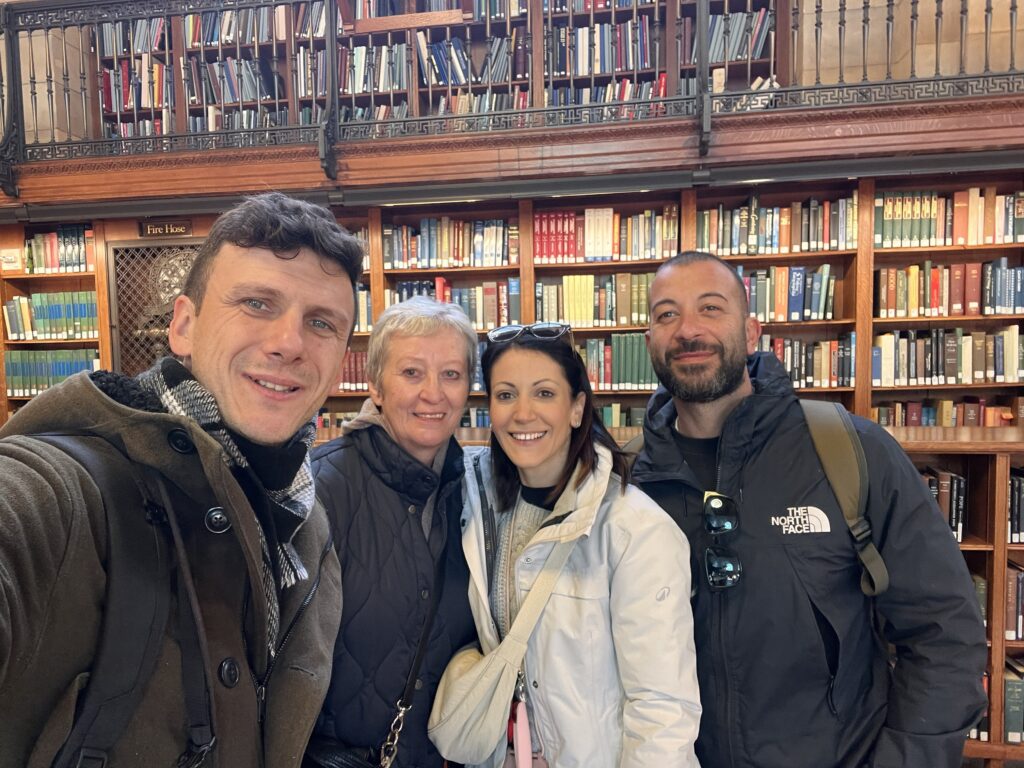
Thoughtful itineraries allocate time and distance so that landmarks deliver context while hidden gems provide texture and surprise. A well-crafted route places major stops where they anchor the narrative and inserts smaller detours that reveal local character, allowing guides to layer macro-history and micro-anecdotes. For a first-time visitor, a landmarks-heavy approach offers efficient orientation; for repeat visitors, hidden-gem segments unlock new insights. Logical geographic sequencing reduces walking fatigue and keeps energy high, while scheduled pauses or food mentions let guests process information. This balance between breadth and depth is what makes a walking tour feel curated rather than random.
How Does Group Size Affect Personalized City Exploration?
Group size shapes how much personalization and interaction a guide can offer, with smaller groups allowing deeper Q&A and individualized attention. Small groups often lead to spontaneous detours, richer conversation, and easier logistics for entering tight spaces or viewpoints. Larger groups require microphones, stricter pacing, and pre-planned interaction points to maintain clarity and timing. Recommended sizes depend on goals: small groups (up to 15) for intimate, discussion-rich experiences; medium groups (15–25) for balance; larger groups for broad orientation or when demand is high. Selecting the right group size affects perceived value and the ability to deliver personalized private tours in NYC or efficient free/tip-based group formats.
With design and group dynamics in mind, the tour delivery model—especially free versus private—adds another layer to how guests experience value, which is the focus of the next section.
What Are the Benefits of Choosing a Free Walking Tour Model?
Free or tip-based walking tours lower the barrier to entry and let visitors sample a city’s culture without upfront cost, encouraging exploration and spontaneous participation. The Freedom Of Speech pricing model empowers guests to pay what they believe the experience was worth, aligning guide accountability with guest satisfaction and fostering high-quality performances. Tip-based tours often attract passionate local guides who prioritize storytelling and connection; bilingual offerings increase accessibility for diverse visitors. For travelers uncertain about a provider or schedule, these tours provide low-commitment ways to orient to a neighborhood while preserving the option to upgrade to private tours later.
Free walking tours offer several practical benefits that visitors commonly seek when choosing an introductory city experience.
- Low commitment: Travelers can join without prepayment and decide value afterward.
- Flexible payment: The Freedom Of Speech model lets guests set their own price based on perceived value.
- Local perspective: Tip-based tours often emphasize local voices and storytelling.
- Accessibility: Bilingual tours in English and Spanish broaden reach for diverse visitors.
These benefits make free tours a smart first step for many visitors; however, understanding how the Freedom Of Speech model operates helps set expectations for tipping and service level.
| Tour Model | Cost/Payment | Typical Guest Experience |
|---|---|---|
| Tip-based free | Pay what you want (Freedom Of Speech) | Flexible, performance-driven guide; good for budget-conscious or exploratory visitors |
| Fixed-price private | Set fee per group | Highly personalized, private pacing and itinerary customization |
| Hybrid group private | Group booking with fixed price | Semi-private control with scheduled start times and tailored content |
How Does the Freedom Of Speech Pricing Model Empower Guests?
The Freedom Of Speech model gives guests control over payment by allowing them to assess the tour’s value at its conclusion and pay accordingly. This structure encourages guides to deliver lively, engaging tours because compensation depends on guest satisfaction and perceived quality. Typical tipping etiquette for a two-hour midtown walking tour ranges from modest contributions (around $10–$20 per person) to more generous sums depending on service—examples often cited by participants fall into this moderate range, but exact amounts vary by traveler and context. The model also lowers risk for visitors unfamiliar with a company or city, encouraging sampling and repeat engagement. Overall, it aligns incentives so that the guest experience directly influences guide effort and accountability.
A key accessibility advantage of many providers using this model is bilingual staffing, which is particularly important in cosmopolitan cities like New York.
Why Are Bilingual Tours Important for Diverse Visitors?
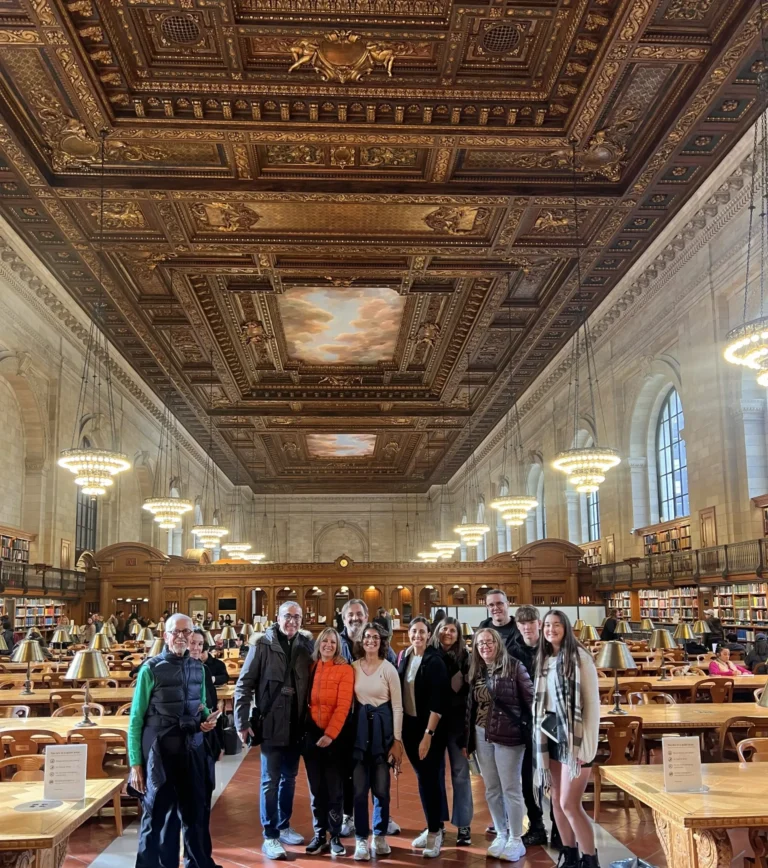
Bilingual tours improve comprehension and cultural nuance for speakers of multiple languages, with English and Spanish offerings opening access to a broader audience. Bilingual guides do more than translate words: they translate context, idioms, and cultural references so stories retain their meaning across languages. This increases comfort for non-native speakers, supports inclusive group dynamics, and often uncovers perspectives that monolingual tours might omit. For visitors who prefer Spanish or who are multilingual, bilingual tours reduce friction and deepen emotional resonance with narratives about neighborhoods and immigration histories. In practice, bilingual options make walking tours more equitable and informative for diverse travelers.
How Do Local Guides Provide Authentic Insights into Midtown Manhattan?
Local guides translate Midtown Manhattan’s dense architectural fabric and layered history into accessible narratives that reveal why places matter beyond their façades. By connecting building styles, transportation hubs, and plazas to social movements, commerce, and cultural shifts, guides help visitors see the city as an evolving story. Practical orientation—best entrances, photo vantage points, and crowd-avoidance tips—adds immediate utility for guests navigating a busy urban core. These authentic insights often include colorful anecdotes and lesser-known facts that textbooks or travel apps might miss, producing an experience that feels both informative and uniquely local.
| Midtown Stop | Guiding Focus | Example Insight |
|---|---|---|
| Bryant Park | Public space revival and modern urban design | Role in urban renewal and seasonal programming that shaped civic life |
| New York Public Library | Architecture and civic philanthropy | Symbol of public knowledge and the social ambitions of the Gilded Age |
| Rockefeller Center | Art Deco and commercial patronage | Corporate art programs and the Center’s evolution through 20th-century media |
| Grand Central Terminal | Transportation and city rhythms | Engineering feats and social stories tied to commuter life |
| Times Square | Entertainment economy and visual culture | Transformation from theater district to global commercial crossroads |
What Historical and Architectural Stories Do Guides Share?
Guides often use micro-narratives to link Midtown architecture to economic, political, and cultural trends—such as tying the New York Public Library’s Beaux-Arts design to the era’s civic aspirations and philanthropic networks. At Rockefeller Center, a guide might explain how Art Deco aesthetics reflected modernity and corporate identity, illustrating the connection between design choices and social narratives. Grand Central Terminal becomes an entry point to discuss transit, migration, and the daily life of commuters, while Times Square narratives focus on entertainment economies and changing moral geographies. These short, focused stories help visitors see buildings as evidence of human agency and societal change rather than isolated monuments.
How Do Guides Connect Tourists with NYC’s Culture and Hidden Gems?
Guides surface local culture by recommending neighborhood eateries, pointing out small-scale artworks, and sharing off-route anecdotes that reveal everyday rhythms. Tactics include live Q&A prompts, encouraging observation of architectural details, and offering insider tips for quieter photo spots or entrances that save time. A Midtown example might be directing visitors to a less busy vantage point for observing Art Deco ornamentation or suggesting a nearby cafe known to locals for a quick bite. These techniques not only enrich the tour but also empower travelers to continue exploring independently after the walk concludes.
Why Should Travelers Choose Guided Walking Tours for Cultural Immersion?
Guided walking tours offer curated context that connects disparate facts into coherent narratives, producing deeper historical understanding than unguided exploration alone. Guides select primary anecdotes, highlight thematic threads, and frame observations so visitors can move from isolated facts to synthesized understanding. This curated approach accelerates learning and fosters emotional resonance with place, supporting both short-term orientation and longer-term cultural appreciation. Additionally, guided tours create social opportunities and reduce logistical friction, making them efficient choices for travelers who want both depth and convenience.
- Deeper historical understanding: Guides contextualize facts with themes and primary anecdotes.
- Local connections: Insider recommendations and stories connect visitors to living culture.
- Convenience and safety: Guides handle navigation, timing, and basic logistics so guests can focus.
- Social interaction: Tours facilitate conversation and meeting fellow travelers, enhancing the experience.
These benefits map directly to concrete guide behaviors and traveler outcomes, which we summarize in the table below.
| Benefit | How It’s Delivered | Value to Traveler |
|---|---|---|
| Historical understanding | Thematic narratives and primary anecdotes | Faster, deeper learning |
| Local connections | Insider tips and off-route recommendations | Authentic experiences and discovery |
| Convenience | Route planning and logistics management | Time savings and reduced stress |
How Do Guided Tours Offer Deeper Historical Understanding?
Guides provide layered context by connecting individual landmark facts to broader themes—such as urban growth, immigration, or economic change—so learners can form mental models rather than memorizing disconnected details. They often draw on primary-source anecdotes, such as patron inscriptions or period newspaper stories, to illustrate how events unfolded and why decisions mattered. This method of contextualization helps visitors retain both facts and causal relationships, making history feel relevant to contemporary life. Recent travel research and visitor feedback (as of mid-2023) indicate that curated storytelling increases both knowledge retention and enjoyment, reinforcing the value of guided interpretation.
What Social and Convenience Benefits Do Guided Tours Provide?
Guided tours create ready-made social settings where travelers can meet others with shared interests, turning solitary sightseeing into a social activity that often yields new friendships or travel tips. Convenience benefits include having a clear schedule, route, and local orientation that reduces planning time and decision fatigue. Guides also offer safety cues and navigation support in busy urban areas, which can be especially valuable for first-time visitors. To maximize social opportunities, travelers should engage in group discussion prompts and arrive prepared to share interests—practical habits that enhance both learning and enjoyment on any guided walking tour.
With the value proposition clear, practical planning helps travelers choose between free and private formats and maximize their time; the next section provides actionable tips and checklists.
How Can Visitors Plan and Maximize Their NYC Walking Tour Experience?
Effective planning maximizes learning and enjoyment by matching tour format to objectives, arriving prepared, and using reviews to evaluate quality signals. Choosing between free and private tours depends on factors like desired personalization, budget, and schedule flexibility. Practical preparations—comfortable shoes, weather-appropriate layering, and a charged phone for photos—reduce friction during the walk. Using review criteria that emphasize specific mentions of guide knowledge, storytelling, and punctuality helps identify reliable providers. These planning steps ensure your guided walking tour delivers the precise mix of orientation, depth, and local connection you want.
- Decide your priority: pick orientation and photo highlights, deep local insight, or personalized pacing.
- Choose format: join a free/tip-based Midtown Tour for low commitment or book NYC Private Walking Tours for tailored exploration.
- Prepare practically: wear comfortable shoes, bring a water bottle, and plan to arrive 10–15 minutes early.
- Read reviews: prioritize specific mentions of guide knowledge, storytelling, and route clarity.
What Practical Tips Help Choose Between Free and Private Tours?
Choose a free, tip-based Midtown walking tour if you want a budget-friendly orientation, flexible commitment, and the chance to evaluate guide quality live. Opt for a private tour when you require a customized itinerary, a specific time, or deeper access tailored to a small group’s interests. Consider group size, desired pace, and whether bilingual narration is necessary—bilingual offerings enhance accessibility for Spanish speakers and other multilingual visitors. If scheduling is tight or you need exclusive access, private tours justify the fixed-cost model for the added personalization they deliver.
How Do Testimonials and Reviews Reflect Tour Quality?
Reviews that mention concrete elements—guide names, specific stories, punctuality, route clarity, and value—are stronger quality signals than generic praise. Look for consistent references to storytelling, knowledge, and logistical smoothness across multiple reviews; these patterns indicate reliable performance. A TripAdvisor 5-star reputation or membership in the Free Tour Community can be informative as one signal among many but should be read alongside specific reviewer anecdotes. Sample paraphrased indicators of high quality include mentions of “unexpected historical details,” “clear, patient explanations,” and “helpful orientation tips”—all of which point to a guide meeting the essential qualities discussed earlier.
What Are the Essential Qualities of a Great Tour Guide? Engaging Local Insights and Personalized City Exploration
A great tour guide synthesizes knowledge, passion, storytelling, interpersonal skill, and language ability into a coherent, engaging performance that orients and delights visitors. NYC Free Tour emphasizes these standards in its guide selection and training, highlighting local perspectives and storytelling as central to the guest experience. Their tip-based Midtown Tour and NYC Private Walking Tours are designed to showcase these qualities, and bilingual options in English and Spanish increase accessibility for diverse visitors. Recognizing these guide attributes helps travelers set expectations and choose tours that prioritize learning and connection.
(Reference note: NYC Free Tour operates a tip-based Freedom Of Speech Midtown Tour alongside private booking options and offers bilingual tours and consistently high guest reviews.)
How Do Knowledge and Passion Enhance the Tour Experience?
Knowledge and passion combine to make facts meaningful: deep subject matter expertise allows guides to answer questions accurately, while passion shapes delivery into narratives that resonate emotionally. A knowledgeable guide can connect architectural detail to socioeconomic history, and a passionate delivery makes those connections memorable. When guests encounter both elements, they report higher engagement and greater willingness to explore beyond the itinerary. These qualities directly affect perceived value, which in turn informs tipping decisions on tip-based tours and feedback in reviews.
Why Is Storytelling Key to Immersive Cultural Tours?
Storytelling structures information into memorable arcs, using sensory detail and character-driven mini-narratives to humanize history and architecture. Effective storytelling reduces cognitive load by giving visitors mental hooks to store facts and themes, which supports long-term recall and sustained interest. When guides weave local voices and contemporary relevance into stories, tours become catalytic experiences that encourage post-tour exploration. This narrative skillset is central to the cultural immersion that makes guided walking tours uniquely rewarding.
What Are the Benefits of Choosing a Free Walking Tour Model?
Free walking tours reduce financial risk for travelers and let guests assess value in real time, while the Freedom Of Speech model centers payment around perceived quality and guest satisfaction. NYC Free Tour’s Midtown Tour follows this approach, offering scheduled English and Spanish departures that let visitors choose based on language preference and convenience. Tip-based formats foster guide accountability and often attract storytellers invested in local culture, and bilingual offerings ensure broader accessibility. For travelers oriented toward authentic New York experiences with flexible commitment, a free model provides a low-barrier, high-engagement option.
- Freedom Of Speech pricing empowers guests to set payment levels after assessing tour quality.
- Tip-based tours encourage guides to perform at a high level and prioritize guest experience.
- Bilingual tours broaden access for Spanish-speaking visitors and enhance cultural nuance.
- Low financial commitment makes sampling new providers and tour styles easier for travelers.
These features explain why many travelers choose tip-based tours for their initial orientation, while private tours remain the option of choice for customized exploration and deeper time investment.
| Tour Model | Cost/Payment | Pros & Cons |
|---|---|---|
| Freedom Of Speech (tip-based) | Pay-what-you-want after tour | Pros: low commitment, guide accountability; Cons: variable income for guides, depends on guest generosity |
| Fixed-price private | Prepaid group rate | Pros: personalized itinerary, guaranteed timing; Cons: higher upfront cost |
How Does the Freedom of Speech Pricing Model Empower Guests?
Freedom Of Speech places price assessment in the hands of guests, letting them reward guides proportionally to perceived value and tailoring payment to personal budget and satisfaction. This dynamic creates an incentive for guides to focus on storytelling, local insights, and guest engagement, since compensation reflects performance. Typical Midtown Tour departures often include scheduled English and Spanish times, which let multilingual visitors choose the right session for comprehension and enjoyment. The result is a flexible, performance-driven marketplace for guided experiences that benefits both travelers and skilled local guides.
Why Are Bilingual Tours Important for Diverse Visitors?
Bilingual tours increase comprehension by preserving cultural nuance and ensuring that metaphors, idioms, and contextual details translate effectively between languages. Guides fluent in English and Spanish bridge linguistic barriers, enabling immigrant narratives and multicultural histories to be conveyed authentically. This inclusivity improves comfort for Spanish-speaking guests and enhances the overall interpretive depth for multilingual groups. Bilingual offerings thus expand the reach and relevance of guided tours in diverse urban centers like Midtown Manhattan.
How Do Local Guides Provide Authentic Insights into Midtown Manhattan?
Local guides illuminate Midtown by connecting stylistic details and daily rhythms to larger civic and cultural narratives, offering both historical depth and modern practical tips. Stories about building patrons, transit developments, or neighborhood change give visitors frameworks for understanding the city’s rapid transformations. Guides also point out discreet viewpoints, entryways, and seasonal rhythms that improve on-the-ground navigation. These authentic insights convert sightseeing into interpretation, enabling travelers to understand Midtown’s role in broader New York history and contemporary life.
| Stop | Focus | Typical Guide Insight |
|---|---|---|
| Bryant Park | Urban renewal | How programming and design revived public use in the late 20th century |
| NY Public Library | Civic architecture | Philanthropy and access to knowledge in civic design |
| Rockefeller Center | Corporate art & design | Integration of public art and commercial space in the 1930s |
| Grand Central | Transit & civic life | Engineering solutions and commuter culture |
| Times Square | Visual culture | The evolution from theater district to global commercial hub |
What Historical and Architectural Stories Do Guides Share?
At Bryant Park, guides may explain the park’s transformation from neglect to a programmed public square to illustrate urban regeneration and civic design strategies. At the New York Public Library, anecdotes about donors and the library’s role in public education make the Beaux-Arts architecture meaningful beyond style. Rockefeller Center stories often emphasize the economic and artistic ambitions of the 1930s, tying Art Deco details to corporate identity. Grand Central narratives highlight engineering feats and the social rhythms of commuter life. These miniature histories allow visitors to grasp how architecture reflects social priorities.
How Do Guides Connect Tourists with NYC’s Culture and Hidden Gems?
Guides connect tourists to living culture by recommending nearby local eateries, pointing out murals or plaques that tell neighborhood stories, and prompting observation of subtle design cues. They encourage curiosity by asking targeted questions, inviting guests to notice street-level interactions, and sharing off-the-beaten-path recommendations for further exploration. These techniques help travelers leave a tour with practical next steps—where to eat, photograph, or continue exploring—so the guided experience is both interpretive and actionable.
Why Should Travelers Choose Guided Walking Tours for Cultural Immersion?
Guided walking tours accelerate cultural learning by offering curated context, thematic coherence, and opportunities for social exchange that self-guided exploration rarely matches. Guides synthesize complex histories into accessible narratives, use primary anecdotes to illustrate broader trends, and manage logistics so guests can focus on absorption and interaction. The social element—meeting other travelers and exchanging perspectives—adds an interpersonal layer that enriches interpretation. Together, these advantages make guided tours an efficient way to achieve meaningful cultural immersion in a short time.
- Choose a tour format that matches your objective: orientation, deep cultural dive, or personalized exploration.
- Prioritize reviews that mention storytelling, route clarity, and guide knowledge.
- Prepare practically: arrive early, dress for walking, and bring a charged phone for photos and notes.
How Do Guided Tours Offer Deeper Historical Understanding?
Guided tours offer deeper understanding by contextualizing facts within themes such as immigration, commerce, and urban development, enabling visitors to form mental models rather than collecting isolated trivia. Guides use primary anecdotes to illustrate causal chains and humanize historical actors, which aids retention and critical appreciation. This interpretive scaffolding is particularly powerful in dense urban areas where layers of history collide, allowing visitors to see continuity and change across sites.
What Social and Convenience Benefits Do Guided Tours Provide?
Guided tours reduce planning burdens by providing a ready-made itinerary, local orientation, and navigational support, allowing visitors to conserve cognitive resources for learning and social interaction. Tours facilitate conversation and networking among participants, creating a social learning environment that can enhance enjoyment and provide practical travel companions. These social and logistical benefits complement the interpretive advantages, making guided tours efficient and socially rewarding options for cultural immersion.
How Can Visitors Plan and Maximize Their NYC Walking Tour Experience?
Maximizing a walking tour involves aligning format with objectives, preparing physically, and using reviews and schedule information to choose the best session. For Midtown orientation, tip-based Midtown Tour sessions in English and Spanish offer flexible entry points; if you need tailored content or private timing, consider NYC Private Walking Tours. Read reviews for consistent mentions of guide knowledge, storytelling, punctuality, and value to identify high-quality options. Arriving early, dressing for the weather, and having a small notebook or phone ready for photos will further enhance your experience.
- Confirm your priority: orientation, deep history, or individualized access.
- Match the format: choose tip-based Midtown Tour for low-commitment orientation or private tours for customization.
- Check language options and schedule to ensure comprehension and convenience.
- Read reviews focused on guide knowledge and storytelling rather than generic praise.
What Practical Tips Help Choose Between Free and Private Tours?
Use free, tip-based tours for flexible, budget-friendly orientation and private tours when you need customization, privacy, or a specific schedule. Consider group composition: families or groups with mobility needs may prefer private tours that control pacing, while solo travelers or small groups often find tip-based formats social and economical. Evaluate how much preplanning you want to do—private tours typically require advance booking, while free tours may offer walk-up availability with scheduled sessions. Weigh these factors against your travel timeline to choose the best approach for your priorities.
How Do Testimonials and Reviews Reflect Tour Quality?
Look for reviews that cite concrete behaviors—specific stories, guide responsiveness, punctual meeting points, and route clarity—since these point to consistent, high-quality experiences. Avoid relying solely on star averages; instead, read recent reviews for repeated phrases that match the essential qualities discussed earlier. Mentions of bilingual delivery, insightful anecdotes, or recommendations for continued exploration are strong indicators that a tour delivers authentic local insights. Interpreting reviews this way helps you identify tours that are likely to provide both informative and enjoyable experiences.