
Brooklyn Bridge Walking Tour Guide: Essential History, Route, and Tips for Visitors
The Brooklyn Bridge is not just a vital transportation link; it is a historical marvel that attracts millions of visitors each year. This guide will provide you with essential information about the Brooklyn Bridge walking tour, including its rich history, recommended routes, and practical tips to enhance your experience. Many visitors seek a deeper understanding of this iconic structure, and a walking tour offers a unique perspective on its architectural beauty and historical significance. In this article, we will explore the essential history of the Brooklyn Bridge, the best routes to take, and practical tips for visitors, ensuring you have a memorable experience.
Brooklyn Bridge Walking Tour Guide
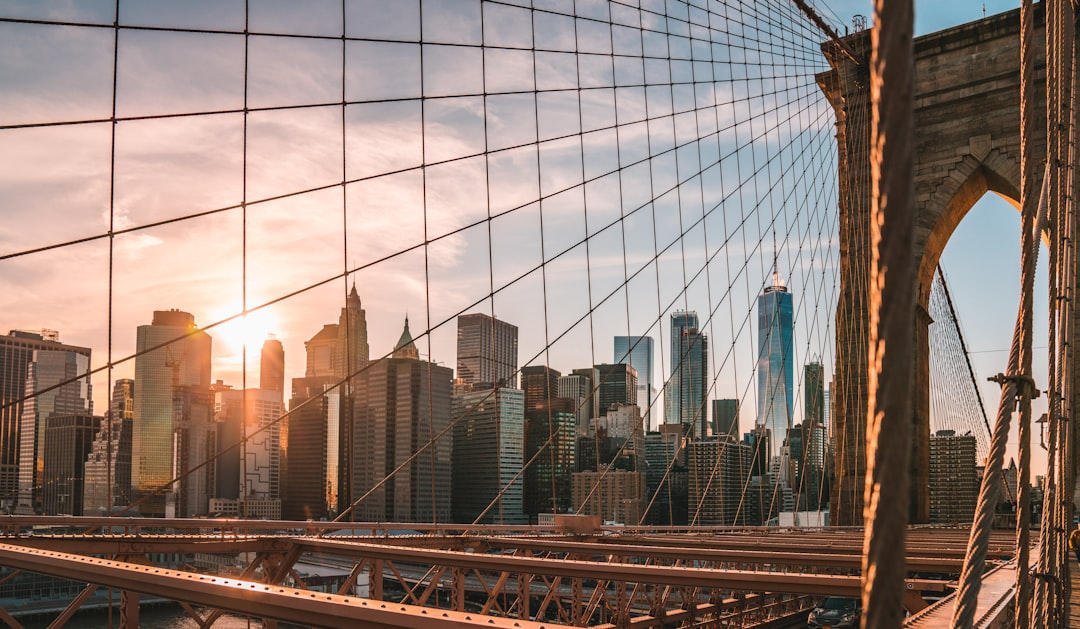
Walking across the Brooklyn Bridge is an unforgettable experience that combines stunning views with a rich historical narrative. The bridge, completed in 1883, was one of the first steel-wire suspension bridges and remains a symbol of innovation and ambition. Engaging with local guides can enhance your understanding of the bridge’s significance, making the tour not just a walk but a journey through time. As you traverse the pedestrian path, you will encounter breathtaking views of the Manhattan skyline and the East River, making it a perfect opportunity for photography and reflection.
Essential History:
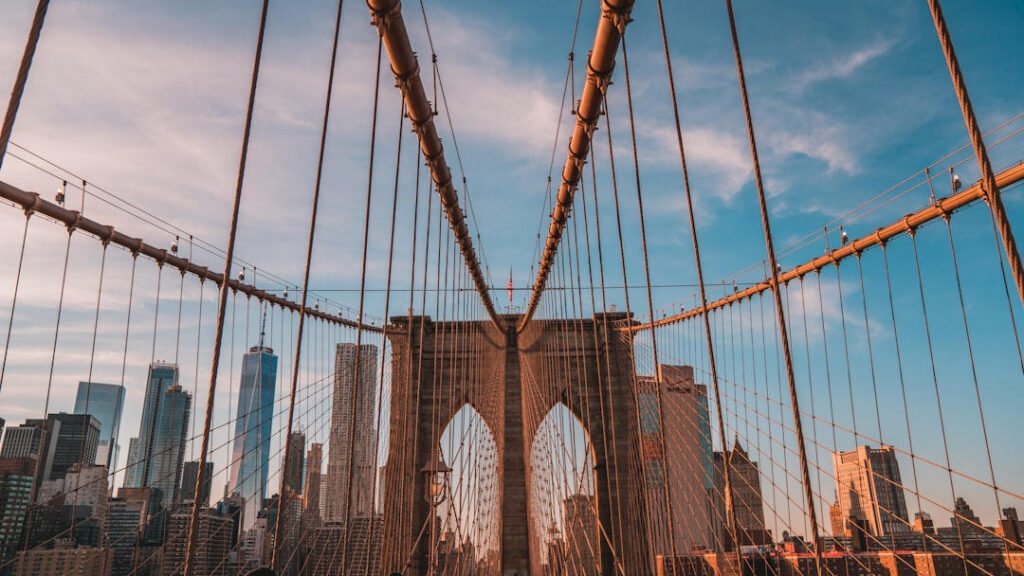
The Brooklyn Bridge’s history is as captivating as its architecture. Completed in 1883, it was designed by John A. Roebling and his son Washington Roebling, who faced numerous challenges during its construction. The bridge was one of the first steel-wire suspension bridges, showcasing innovative engineering techniques of the time. Its Neo-Gothic towers and intricate cable system have made it an enduring symbol of New York City. The bridge not only connects Manhattan and Brooklyn but also represents the spirit of progress and determination that characterized the era of its construction.
Recommended Route:
To fully appreciate the Brooklyn Bridge, starting your walk at City Hall Park is recommended. From there, you can enjoy the scenic views as you make your way across the bridge. Key stops along the route include the bridge towers, where you can take in panoramic views of the city. The walk concludes in Brooklyn, where you can explore the nearby Brooklyn Bridge Park, offering additional recreational opportunities and stunning views of the Manhattan skyline.
Practical Tips for Visitors:
To make the most of your Brooklyn Bridge walking tour, consider the following practical tips:
- Safety Guidelines: Always stay on the pedestrian path, be aware of cyclists, and avoid distractions while walking.
- Accessibility: The bridge is generally accessible, with ramps available for those with mobility challenges. However, it’s advisable to check for any temporary closures.
- Best Times to Visit: Early mornings or late afternoons are ideal for avoiding crowds and enjoying the best light for photography. Weekday visits are also recommended for a more peaceful experience.
Safety Guidelines:
Safety is paramount when walking across the Brooklyn Bridge. Visitors should remain on the designated pedestrian path to avoid accidents with cyclists. It’s also important to stay alert and avoid distractions, such as using your phone while walking. By following these guidelines, you can ensure a safe and enjoyable experience.
Accessibility:
The Brooklyn Bridge is designed to be accessible to all visitors. Ramps are available at both ends, making it easier for those with mobility challenges to enjoy the walk. However, it’s wise to check for any temporary closures or maintenance work that may affect accessibility.
Booking Your Tour:
When planning your visit, look for tours that match your interests. Many tours operate on a pay-what-you-wish model, allowing you to tip based on your experience. This flexible approach makes it easier for everyone to enjoy the tour without financial pressure.
Best Times to Visit:
The best times to walk the Brooklyn Bridge are early in the morning or late in the afternoon. These times not only provide a more serene atmosphere but also offer the best lighting for photography. Weekday visits are generally less crowded, allowing for a more enjoyable experience.
What to Bring:
When preparing for your walking tour, consider bringing the following items:
- Comfortable Shoes: A good pair of walking shoes is essential for a comfortable experience.
- Camera: Capture the stunning views and memorable moments along the way.
- Water: Stay hydrated, especially during warmer months.
Engage with Your Guide:
If you choose to join a guided tour, take the opportunity to engage with your guide. Ask questions and participate in discussions to enhance your understanding of the bridge’s history and significance. This interaction can make your experience more enriching and memorable.
This focus on interaction aligns with research highlighting the importance of visitor engagement for a truly enriching experience at historical sites.
Enhancing Visitor Experience at Historic Sites
The constructs measured in this study are the experiences of tourists visiting historical sites and museums. Experience can be conceptually defined as the “events that engage
A visitor experience scale: historic sites and museums, SLJ Smith, 2015
What is the Historical Significance of the Brooklyn Bridge?
The Brooklyn Bridge stands as a symbol of ambition and innovation in engineering. It was one of the first steel-wire suspension bridges, representing a significant advancement in construction techniques during the 19th century. The bridge not only facilitated transportation between Manhattan and Brooklyn but also became a cultural icon, inspiring artists, writers, and filmmakers. Its construction marked a pivotal moment in New York City’s development, showcasing the city’s growth and the spirit of its people.
When was the Brooklyn Bridge built and who were its architects?
Construction of the Brooklyn Bridge began in 1869 and was completed in 1883. The project was led by John A. Roebling, who tragically died before its completion. His son, Washington Roebling, took over the project and successfully brought it to fruition. The bridge’s design and construction were groundbreaking, setting new standards for engineering and architecture.
How to Navigate the Brooklyn Bridge Walking Route Effectively?
Navigating the Brooklyn Bridge walking route is straightforward, thanks to clear signage and a dedicated pedestrian path. Start at City Hall Park and follow the path across the bridge, taking time to enjoy the views and stop at key landmarks. Familiarize yourself with the layout of the bridge to enhance your experience and ensure you don’t miss any significant points of interest.
What are the key landmarks and viewpoints along the Brooklyn Bridge?
As you walk across the Brooklyn Bridge, several key landmarks and viewpoints will catch your eye:
- Bridge Towers: The iconic towers are a must-see, offering stunning views of the surrounding area.
- Panoramic Views: The bridge provides breathtaking views of the Manhattan skyline, the East River, and Brooklyn.
- Historical Markers: Look for plaques and markers that provide insights into the bridge’s history and significance.
What Practical Tips Enhance Your Brooklyn Bridge Walking Tour Experience?
To enhance your walking tour experience, consider these practical tips:
- Plan Your Timing: Choose early morning or late afternoon for the best experience.
- Stay Hydrated: Bring water, especially during warmer months.
- Engage with Guides: If on a guided tour, ask questions to deepen your understanding.
When is the best time to walk the Brooklyn Bridge for safety and views?
The best time to walk the Brooklyn Bridge for both safety and views is during early mornings or late afternoons. These times not only help you avoid large crowds but also provide optimal lighting for photography. Weekdays are generally less busy, allowing for a more relaxed experience.
What should you bring and expect during the Brooklyn Bridge guided walk?
When participating in a guided walk, expect to learn about the bridge’s history and significance. Bring comfortable shoes, a camera for photos, and water to stay hydrated. Engaging with your guide will enhance your experience, providing insights that you may not discover on your own.
How Does the Brooklyn Bridge Walking Tour Operate and What Are the Booking Details?
Walking tours of the Brooklyn Bridge typically last around 1.5 to 2 hours. Many tours operate on a pay-what-you-wish model, allowing you to tip based on your experience. A typical tip ranges from $10 to $20 per person, reflecting the quality of the tour and your satisfaction.
Are Brooklyn Bridge tours free and how does tipping work?
Yes, many Brooklyn Bridge tours are free, operating on a pay-what-you-wish basis. This model allows visitors to enjoy the tour without financial pressure. Tipping is encouraged, with typical amounts ranging from $10 to $20, depending on your experience and satisfaction with the tour.
Leave a Reply