Discover Greenwich Village on an Art, History & Culture Walking Tour
Greenwich Village, often referred to as “The Village,” is a vibrant neighborhood in New York City known for its rich history, artistic heritage, and cultural significance. This article delves into the highlights of a walking tour through this iconic area, showcasing its historical landmarks, influential residents, and the artistic movements that have shaped its identity. Visitors can expect to learn about the unique blend of art, history, and local culture that defines Greenwich Village. As you explore, you’ll uncover the stories behind famous sites and the personalities that have left their mark on this eclectic neighborhood. The walking tour not only offers a glimpse into the past but also provides insights into the contemporary cultural landscape of the area.
Indeed, many sources emphasize the unique, intimate atmosphere that has long defined the Village.
Greenwich Village: A Small Town Within NYC
for their activities in the Village: Greenwich Village was truly a village, a small town within the large city of New York. On weekends, all of Greenwich Village congregated in Washington
Seekers of Truth: The Beat Generation, 1998
What Are the Historical Highlights of Greenwich Village?
Greenwich Village is steeped in history, with key events and figures that have shaped its narrative. The neighborhood played a pivotal role in the American Bohemian movement, attracting artists, writers, and musicians who sought creative freedom. Notable historical highlights include the Stonewall Riots of 1969, which were instrumental in the LGBTQ+ rights movement, and the Beat Generation’s influence during the 1950s. These events not only reflect the social changes of their time but also underscore the Village’s reputation as a hub for progressive thought and artistic expression.
The significance of the Stonewall Riots in shaping the LGBTQ+ rights movement is widely acknowledged and deeply explored in historical accounts.
Stonewall Riots: Igniting the Queer Movement in Greenwich Village
The mid-20th century was a period of activism across both the political and social landscape of the United States, ranging from racism to sexism and homophobia. The 1960s were especially pivotal for these groups and this paper provides context on the movements of the LGBTQ+ community and the effects of the Stonewall Riots of June 1969 in lower Manhattan. Giving context to what life before the Stonewall Riots was like in the United States sets the stage for an accurate account of the Riots and events. Highlighting who was involved and the legacies that they left, such as Craig Rodwell and Martha P. Johnson, and their bouts of activism through this historic time for the community. This paper allowed me to question the purpose and cause in which so many people struggled and why change was needed at that very moment. Moving on from the accurate accounts, the paper moves into the progression of the Queer Movement in the 1970s and how the Stonewall Riots ignited something with
Riot, Resistance, and Revolution: The Stonewall Riots and the Progression of the Queer Movement in the 1970s, 1969
Which Landmarks Define Greenwich Village's History?
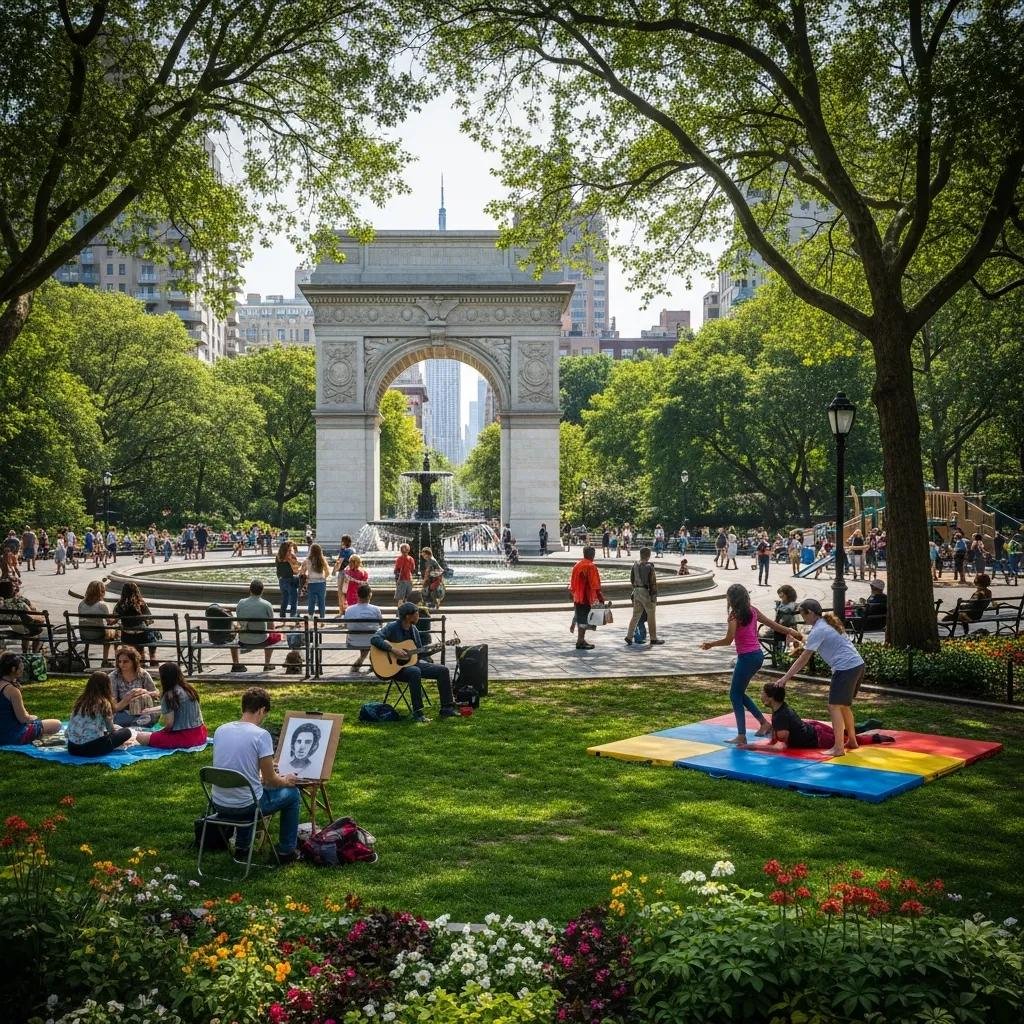
Several landmarks in Greenwich Village serve as testaments to its rich history. Key sites include:
- Washington Square Park: A central gathering place that has hosted countless protests, performances, and social movements.
- The Stonewall Inn: Recognized as the birthplace of the modern LGBTQ+ rights movement, this bar is a National Historic Landmark.
- The Cherry Lane Theatre: One of the oldest continuously running theaters in New York, showcasing innovative plays since 1924.
These landmarks not only provide a historical context but also enhance the walking tour experience by connecting visitors to the stories of those who fought for change.
How Did Greenwich Village Shape New York City's Cultural Heritage?
Greenwich Village has significantly influenced New York City’s cultural heritage through its artistic movements and community spirit. The neighborhood has been a breeding ground for various art forms, including literature, music, and visual arts. The Village was home to iconic figures such as Bob Dylan and Allen Ginsberg, who contributed to the cultural tapestry of the 1960s. The area’s commitment to artistic expression continues today, with numerous galleries, theaters, and music venues that celebrate local talent and creativity.
How Does the Greenwich Village Art Tour Showcase Local Creativity?
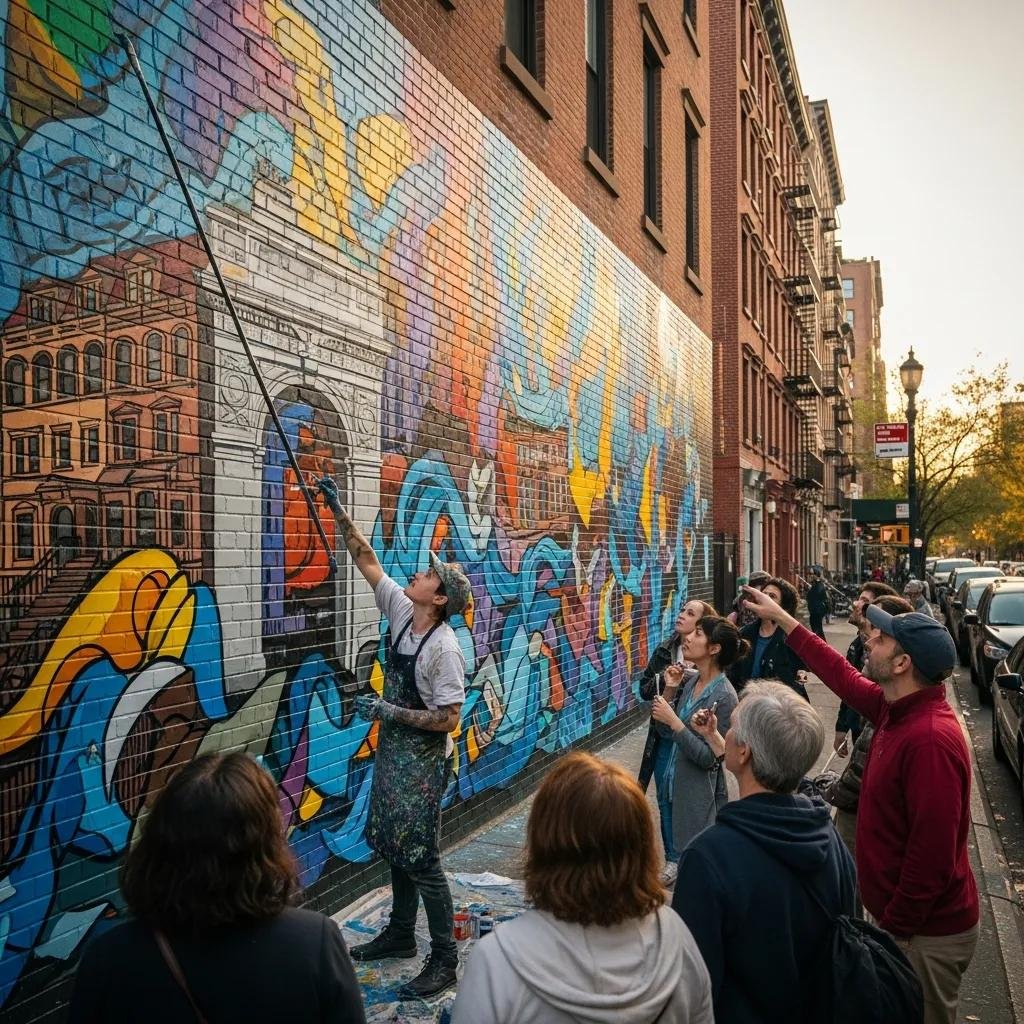
The Greenwich Village Art Tour highlights the area’s vibrant artistic scene by showcasing local artists and their work. Participants can explore various art installations, street murals, and galleries that reflect the community’s creative spirit. The tour emphasizes the importance of art in public spaces, encouraging visitors to engage with the works and the stories behind them. This immersive experience not only fosters appreciation for local creativity but also connects participants to the cultural narratives that define the neighborhood.
What Are the Influential Art Movements Originating in Greenwich Village?
Greenwich Village has been the birthplace of several influential art movements, including:
- The Beat Generation: A literary movement that challenged conventional norms and celebrated spontaneity and self-expression.
- Abstract Expressionism: A post-World War II art movement that emphasized spontaneous, automatic, or subconscious creation.
- Folk Music Revival: A movement in the 1960s that brought traditional music back into the spotlight, with artists like Joan Baez and Bob Dylan leading the charge.
These movements not only shaped the artistic landscape of the Village but also had a lasting impact on American culture as a whole.
The Village’s pivotal role in the folk music revival is well-documented, highlighting its impact on both music and broader cultural movements.
Greenwich Village: Epicenter of the Folk Music Revival
In the 1950s, a left-liberal creative class in New York sparked interest in folk music by recording artists, producing albums, sponsoring concerts, and provoking debates about the role of songs in politics and culture writ large. In doing so, they helped transform Greenwich Village into the epicenter of the nationwide folk music revival. As the revival captured the attention of a wide audience, lively scenes developed in cities and college towns. In Newport, Rhode Island, jazz promoter and producer George Wein founded the Newport Folk Festival in 1959. Wein collaborated with New York folk music figures Pete Seeger, Theo Bikel, Peter Yarrow, and others and transformed Newport into the country’s premier annual folk music festival. Though Greenwich Village and Newport showcased a range of traditional and contemporary styles, in the public consciousness they stood above all for socially conscientious folk music. For a moment in the 1960s, they embodied a cooperative ethos that promised a brighter future for the nation.
Folk Music and Political Activism in Greenwich Village and at the Newport Folk Festival, 1935–1965, S Petrus, 1935
Which Galleries and Public Art Can You See on the Tour?
Visitors on the Greenwich Village walking tour can explore a variety of galleries and public art installations that showcase the neighborhood’s artistic diversity. Some notable locations include:
| Gallery | Type of Art | Notable Features |
|---|---|---|
| The Grey Art Gallery | Contemporary Art | Features works from the NYU collection and rotating exhibitions. |
| The Village Vanguard | Jazz Music | A historic jazz club known for its intimate performances and legendary artists. |
| Public Murals | Street Art | Vibrant murals that reflect social issues and community stories throughout the neighborhood. |
These venues not only highlight the artistic talent within the Village but also provide a platform for dialogue and community engagement.
Who Are the Famous Residents and Cultural Icons of Greenwich Village?
Greenwich Village has been home to numerous famous residents who have made significant contributions to art and culture. Notable figures include:
- Edna St. Vincent Millay: A Pulitzer Prize-winning poet known for her bohemian lifestyle and literary contributions.
- Jack Kerouac: A leading figure of the Beat Generation, whose works captured the spirit of the 1950s counterculture.
- Toni Morrison: A Nobel Prize-winning author whose novels explore themes of identity and community.
These individuals not only shaped the cultural landscape of the Village but also left a lasting legacy that continues to inspire new generations of artists and thinkers.
What Role Did Writers and Musicians Play in Shaping the Neighborhood?
Writers and musicians have played a crucial role in shaping the identity of Greenwich Village. The neighborhood has long been a sanctuary for creative expression, where artists could freely explore their craft. The influence of folk music, jazz, and literary movements has created a rich cultural tapestry that defines the Village. Venues like the Bitter End and Café Wha? have hosted countless performances that have launched the careers of many iconic musicians. This vibrant artistic community fosters collaboration and innovation, making the Village a unique cultural hub.
How Do These Personalities Enhance the Tour Experience?
The personalities of Greenwich Village’s historical figures enhance the walking tour experience by providing context and depth to the sites visited. Tour guides often share personal stories and anecdotes about these influential residents, creating a more engaging and immersive experience for participants. This storytelling approach not only brings the history of the neighborhood to life but also fosters a deeper connection between visitors and the cultural heritage of the Village.
What Practical Information Should Visitors Know About the Greenwich Village Walking Tour?
Before embarking on the Greenwich Village walking tour, visitors should consider the following practical information:
- Arrival Time: Aim to arrive at least 15 minutes early to ensure a prompt start.
- Meeting Point: Tours typically begin at a designated location, often near a prominent landmark.
- Preparation Tips: Wear comfortable shoes and dress for the weather, as the tour involves walking.
These tips will help ensure a smooth and enjoyable experience as you explore the rich history and culture of Greenwich Village.
Are Greenwich Village Walking Tours Free and How Do Tips Work?
Yes, many Greenwich Village walking tours are offered for free, allowing visitors to explore the neighborhood without a fixed cost. However, it is customary to tip the tour guides based on your experience. A suggested tip is around $10-$20 per person, depending on the quality of the tour. This model allows for a more accessible experience while still supporting the guides who share their knowledge and passion for the area.
What Is the Best Time and Duration for Taking the Tour?
The best time to take a walking tour of Greenwich Village is during the spring and fall when the weather is mild and the streets are bustling with activity. Tours typically last between 2 to 3 hours, providing ample time to explore key sites and engage with the local culture. Early morning or late afternoon tours can offer a quieter experience, allowing for a more intimate exploration of the neighborhood.
How Can Visitors Experience Local Culture Beyond the Tour?
Visitors can further immerse themselves in local culture by exploring various activities and attractions beyond the walking tour. Some suggestions include:
- Attending Local Events: Check for festivals, art shows, and live music performances happening in the area.
- Dining at Local Eateries: Experience the culinary scene by visiting popular restaurants and cafes that reflect the neighborhood’s diverse flavors.
- Exploring Nearby Parks: Spend time in Washington Square Park or other green spaces to relax and soak in the local atmosphere.
These activities provide additional opportunities to connect with the vibrant culture of Greenwich Village.
Which Local Food and Nightlife Spots Reflect Greenwich Village's Culture?
Greenwich Village is renowned for its eclectic food and nightlife scene. Some must-visit spots include:
- Joe’s Pizza: A local favorite known for its classic New York-style slices.
- The Bitter End: A historic music venue that has hosted countless legendary performances.
- Minetta Tavern: A renowned restaurant offering a blend of classic and contemporary American cuisine.
These establishments not only offer delicious food and entertainment but also contribute to the unique cultural fabric of the Village.
What Cultural Events and Festivals Occur in Greenwich Village?
Throughout the year, Greenwich Village hosts a variety of cultural events and festivals that celebrate its rich heritage. Some notable events include:
- The Greenwich Village Halloween Parade: An annual event featuring elaborate costumes and performances.
- The New York City Pride March: A vibrant celebration of LGBTQ+ pride that passes through the Village.
- The Washington Square Park Music Festival: A summer event showcasing local musicians and artists.
These events provide opportunities for community engagement and highlight the neighborhood’s commitment to diversity and inclusion.