Lower East Side Walking Tour: Immigrant Stories & Street Culture
The Lower East Side of New York City is a vibrant tapestry woven from the threads of diverse immigrant experiences and rich street culture. This article delves into the historical significance of the Lower East Side, exploring how waves of immigration have shaped its identity and culture. Readers will learn about the various immigrant groups that settled in the area, the key landmarks that tell their stories, and what to expect on a walking tour that highlights this unique neighborhood. As we navigate through the streets, we will uncover the cultural landmarks, street art, and the modern manifestations of NYC street culture that continue to thrive today. Whether you’re a history buff or a culture enthusiast, this guide will provide practical tips to enhance your experience on a free walking tour in Manhattan.
What is the historical significance of the Lower East Side in NYC?
The Lower East Side holds a pivotal place in New York City’s history as a gateway for millions of immigrants seeking a better life. This neighborhood became a melting pot of cultures, particularly during the late 19th and early 20th centuries, when waves of immigrants arrived from Europe and Asia. The area is marked by significant historical events, including the rise of tenement housing, which provided shelter for countless families. The cultural impact of these immigrant communities is still evident today, as their traditions, languages, and cuisines have shaped the fabric of New York City. Understanding this historical significance is crucial for appreciating the rich cultural heritage that defines the Lower East Side.
Historical accounts further emphasize the prevalence of tenement life for the area’s immigrant population.
Lower East Side Tenement Life & Immigrant History
surrounding landscape of tenement apartments occupied by poor immigrants, who made up the bulk of the Lower East Side
Selling the lower east side: Culture, real estate, and resistance in New York City, 2000
How did immigration shape the Lower East Side neighborhood?
Immigration has been the driving force behind the development of the Lower East Side, influencing its architecture, economy, and social dynamics. The influx of diverse populations led to the establishment of various cultural institutions, businesses, and community organizations that catered to the needs of immigrants. As neighborhoods evolved, they reflected the unique contributions of each group, from Jewish delis to Italian bakeries. This cultural mosaic not only enriched the local community but also contributed to the broader narrative of American identity. The evolution of the Lower East Side serves as a testament to the resilience and adaptability of immigrant communities in the face of challenges.
Which immigrant groups settled in the Lower East Side?
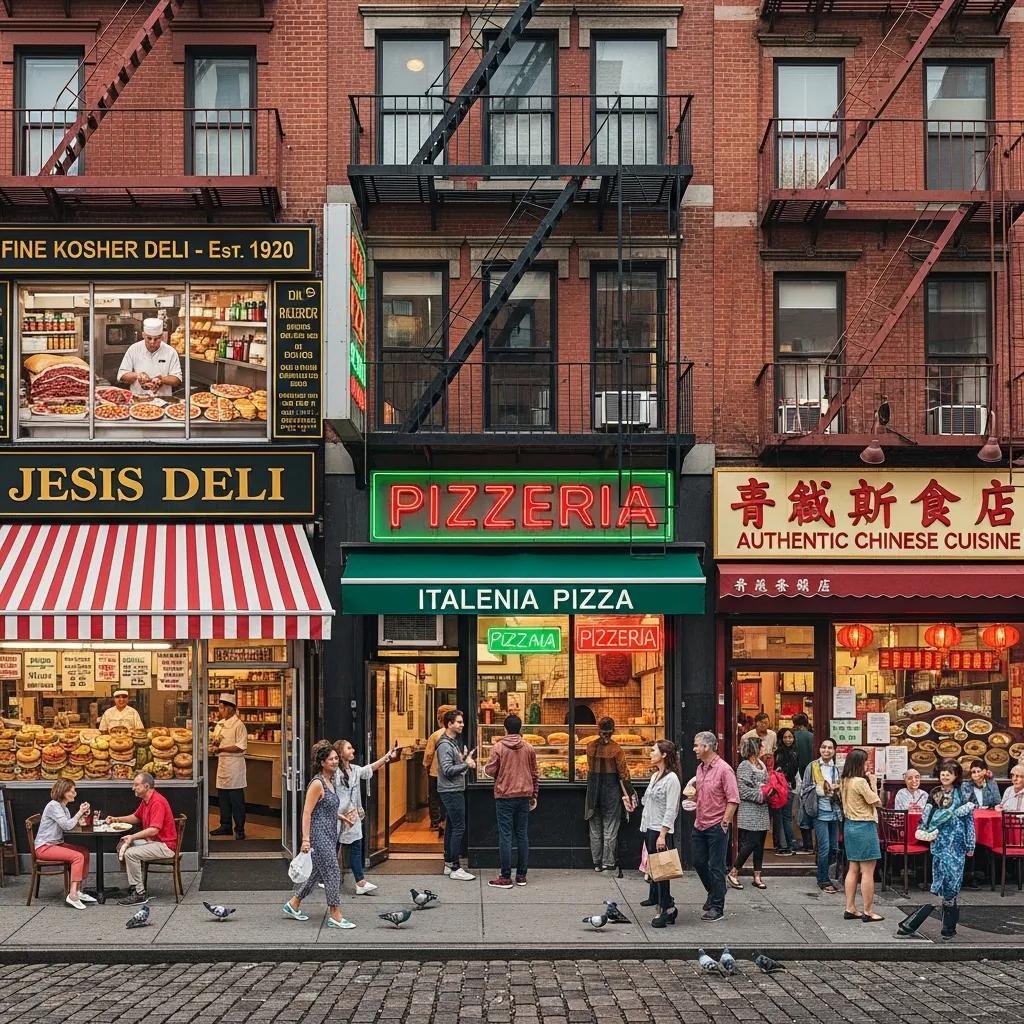
The Lower East Side has been home to a variety of immigrant groups, each leaving a lasting impact on the neighborhood. Key communities include:
- Jewish Immigrants: Arriving primarily from Eastern Europe, they established synagogues, schools, and businesses that became cornerstones of the community.
- Italian Immigrants: Contributing to the culinary landscape, Italian immigrants brought their rich traditions, evident in the numerous pizzerias and pasta shops that still thrive today.
- Chinese Immigrants: The establishment of Chinatown in the Lower East Side introduced a vibrant culture, with restaurants and markets that reflect the heritage of Chinese Americans.
These groups, among others, have shaped the Lower East Side into a dynamic neighborhood that celebrates its diverse roots.
What can you expect on a Lower East Side Immigration History Walking Tour?
A Lower East Side Immigration History Walking Tour offers an immersive experience that brings the neighborhood’s rich history to life. Participants can expect engaging anecdotes from knowledgeable guides who share stories of the immigrant experience, highlighting the struggles and triumphs of those who came before. The tour covers various cultural aspects, including the evolution of the neighborhood, significant landmarks, and the impact of immigration on NYC’s development. This unique perspective allows visitors to connect with the past while appreciating the vibrant culture that continues to thrive in the Lower East Side today.
Who are the knowledgeable guides leading the tours?
The guides leading the Lower East Side walking tours are often local historians or individuals with deep connections to the community. Their expertise allows them to provide rich context and personal insights into the stories of the neighborhood. Many guides have backgrounds in education or cultural studies, enabling them to engage participants effectively. Their storytelling skills enhance the experience, making history accessible and relatable. By sharing their passion for the Lower East Side, these guides help visitors appreciate the significance of the area and its cultural heritage.
What are the key landmarks and museums featured on the tour?
The walking tour includes several key landmarks and museums that showcase the history and culture of the Lower East Side. Notable sites include:
- The Tenement Museum: This museum offers a glimpse into the lives of immigrants who lived in the area, featuring restored apartments and guided tours that tell their stories.
- The Eldridge Street Synagogue: A beautifully restored synagogue that serves as a testament to the Jewish community’s history in the neighborhood.
- The Bowery: Once known for its vibrant nightlife, the Bowery is now a cultural hub that reflects the evolution of the Lower East Side.
These landmarks provide a tangible connection to the past, allowing visitors to understand the historical significance of the neighborhood.
How does NYC street culture manifest in the Lower East Side today?
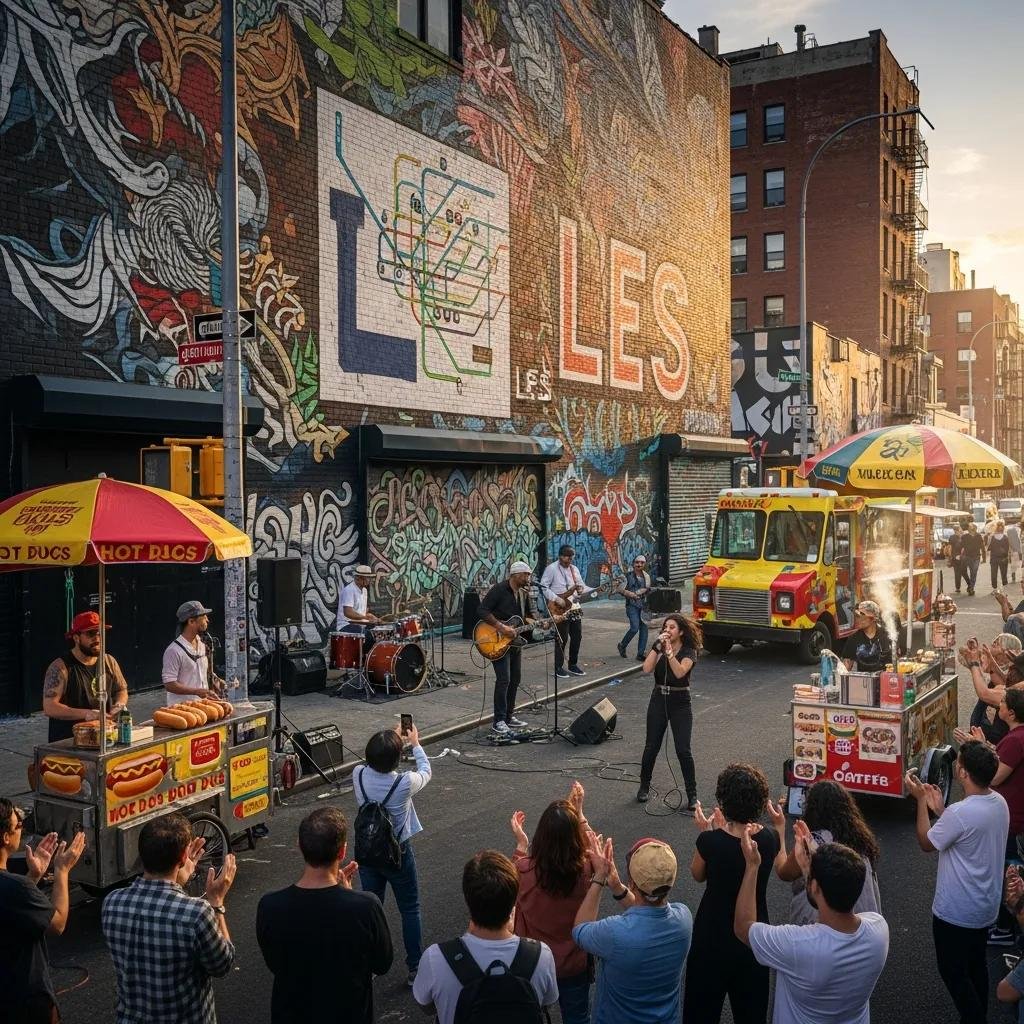
Today, NYC street culture is alive and well in the Lower East Side, manifesting through various forms of artistic expression, music, and food. The neighborhood is known for its vibrant street art scene, with murals and graffiti that reflect the voices of local artists and communities. Music venues and cultural festivals celebrate the diverse sounds that have emerged from the area, showcasing everything from punk rock to hip-hop. Additionally, the culinary landscape continues to evolve, with food trucks and pop-up restaurants offering innovative takes on traditional dishes. This dynamic street culture not only honors the past but also embraces contemporary influences, making the Lower East Side a lively destination for both locals and visitors.
What role does street art play in the neighborhood’s cultural identity?
Street art plays a crucial role in shaping the cultural identity of the Lower East Side, serving as a canvas for artistic expression and social commentary. Murals and graffiti often reflect the experiences and struggles of the community, addressing issues such as gentrification, identity, and resilience. Local artists use public spaces to engage with residents and visitors, fostering a sense of connection and dialogue. This vibrant art scene not only beautifies the neighborhood but also preserves its history and cultural narratives, making street art an integral part of the Lower East Side’s identity.
Beyond visual arts, the neighborhood’s cultural identity is also shaped by the ongoing evolution of its diverse youth and ethnic communities.
Lower East Side Ethnic Identity & Youth Culture
It is also a more recent one, represented by the younger generations’ struggle for self-identity – a past of Lower East Side militancy that embraces Chinese as well as Puerto Rican.
Gateway to the promised land: ethnic cultures on New York’s Lower East Side, 1994
How has music and food influenced the Lower East Side’s street culture?
Music and food are central to the street culture of the Lower East Side, influencing its social dynamics and community interactions. The neighborhood has a rich musical heritage, with venues that have hosted legendary performances across genres. From folk music to punk rock, the sounds of the Lower East Side reflect its diverse cultural influences. Similarly, the food scene showcases a blend of traditional and contemporary cuisines, with restaurants and food stalls offering a taste of the neighborhood’s history. Culinary festivals and street fairs celebrate this diversity, bringing people together to share in the cultural experience. The interplay of music and food continues to shape the Lower East Side’s vibrant street culture.
What practical tips enhance your experience on a free walking tour in Manhattan?
To make the most of your free walking tour in Manhattan, consider the following tips:
- Dress Comfortably: Wear comfortable shoes and clothing suitable for walking, as the tour may cover several blocks.
- Stay Hydrated: Bring a water bottle to stay refreshed during the tour, especially on warm days.
- Engage with Your Guide: Don’t hesitate to ask questions or share your thoughts with the guide; this interaction enriches the experience.
These practical tips will help ensure a rewarding and enjoyable walking tour experience.
How long is the Lower East Side walking tour and what should you bring?
The Lower East Side walking tour typically lasts around 2-3 hours, covering significant landmarks and cultural sites. Participants are encouraged to bring a few essentials, including:
- Comfortable Shoes: Essential for walking the streets and exploring the neighborhood.
- Water Bottle: Staying hydrated is important, especially during warmer months.
- Camera: Capture the vibrant street art and historical landmarks along the way.
Being prepared with these items will enhance your overall experience on the tour.
How do voluntary tips work and why are they encouraged?
Voluntary tips are an integral part of the free walking tour model, allowing participants to contribute based on their experience. While the tours are offered at no fixed cost, guides rely on tips to support their work and provide high-quality experiences. It is encouraged to tip based on the value of the tour, with a common guideline being $10-$20 per person. This model fosters a sense of community and appreciation for the guides’ efforts in sharing their knowledge and passion for the Lower East Side.
Where can you find additional resources and related tours about NYC’s historic neighborhoods?
For those interested in exploring more about NYC’s historic neighborhoods, several resources are available:
- Online Guides: Websites dedicated to NYC history often provide insights and recommendations for exploring various neighborhoods.
- Cultural Institutions: Museums and cultural centers frequently host events and exhibitions related to the city’s immigrant history.
- Related Tours: Consider joining other walking tours that focus on different aspects of NYC’s rich history, such as the Harlem Renaissance or Brooklyn’s immigrant communities.
These resources can enhance your understanding and appreciation of New York City’s diverse cultural landscape.
What other historic neighborhood tours complement the Lower East Side experience?
Several historic neighborhood tours complement the Lower East Side experience, offering additional perspectives on NYC’s rich history. Notable options include:
- Midtown Manhattan Tour: Explore the iconic landmarks and cultural institutions of Midtown, including Times Square and the New York Public Library.
- High Line Urban Hike Tour: Discover the elevated park that transformed an old railway line into a green space, showcasing art and architecture along the way.
- NYC Private Walking Tours: Tailored experiences that focus on specific interests, such as food, art, or history, providing a personalized exploration of the city.
These tours provide a broader context to the Lower East Side’s history and culture, enriching your overall experience of New York City.
How to access multimedia and testimonials for NYC Free Tour offerings?
To access multimedia and testimonials for NYC Free Tour offerings, consider the following options:
- Tour Photos Page: Visit the official website to view photos from past tours, showcasing the experiences of participants.
- User Testimonials: Read reviews and testimonials from previous tour-goers to gain insights into their experiences and the value of the tours.
- Social Media Presence: Follow NYC Free Tour on social media platforms for updates, highlights, and community engagement.
These resources can provide a deeper understanding of what to expect from the tours and the experiences of others who have participated.