
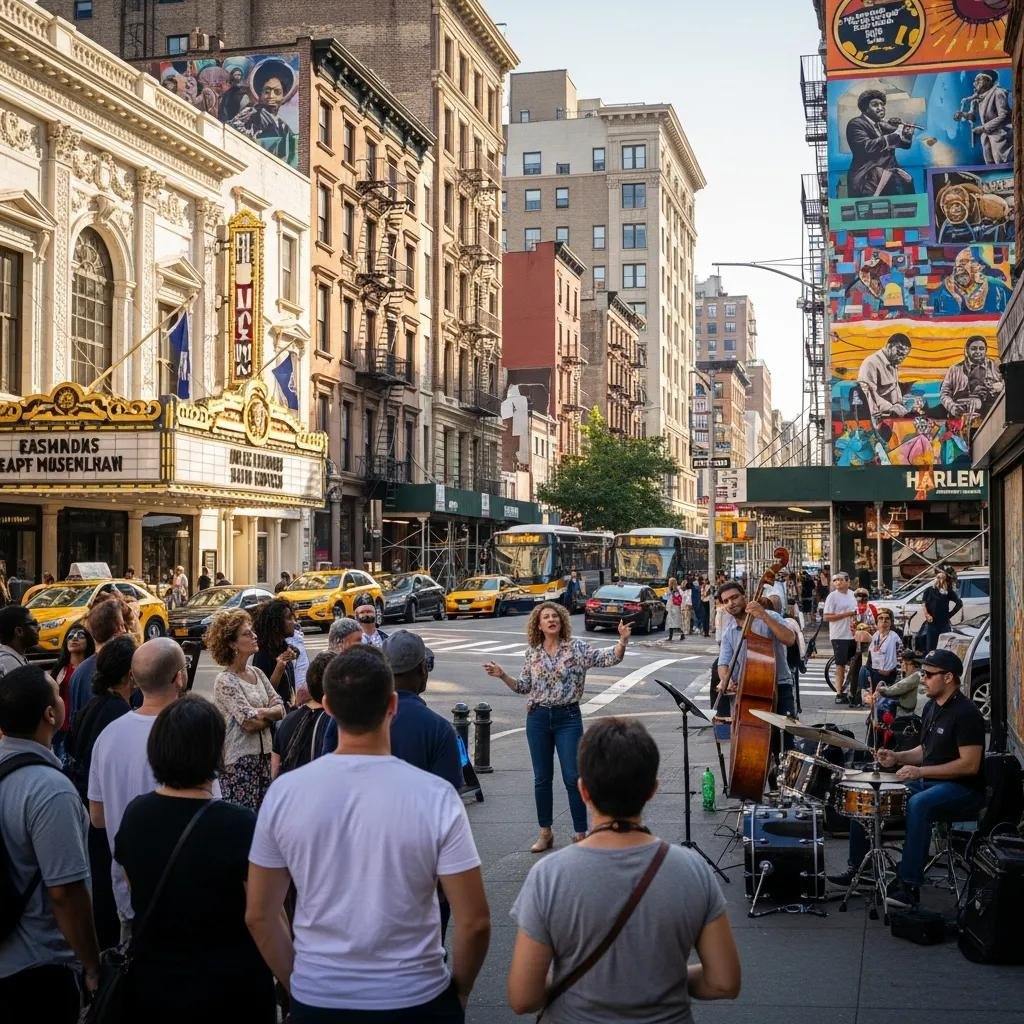
Harlem Walking Tour: Explore History, Music, and the Soul of New York

Harlem, a vibrant neighborhood in New York City, is a cultural epicenter known for its rich history, music, and artistic contributions. This article delves into the significance of Harlem, particularly during the Harlem Renaissance, and explores how this period shaped the cultural identity of New York City. Readers will learn about key figures, musical genres, and iconic landmarks that define Harlem’s unique character. Additionally, we will provide practical tips for experiencing Harlem through walking tours, highlighting the importance of respectful engagement with the community. By the end of this guide, you will have a comprehensive understanding of Harlem’s historical and cultural landscape, as well as how to immerse yourself in its soulful music scene.

What is the historical significance of Harlem and the Harlem Renaissance?

Collage of Harlem Renaissance figures and cultural scenes, illustrating the historical significance of the movement

Harlem holds a pivotal place in American history, particularly during the “Harlem Renaissance”, a cultural movement that flourished in the 1920s. This era marked a profound transformation in African American culture, as artists, writers, and musicians sought to express their identities and experiences. The Renaissance not only showcased the talents of individuals like Langston Hughes and Duke Ellington but also challenged the prevailing racial stereotypes of the time. The movement’s impact extended beyond Harlem, influencing the broader cultural landscape of New York City and the nation. Understanding this historical significance is crucial for appreciating the depth of Harlem’s cultural contributions.

How did the Harlem Renaissance shape New York City's cultural identity?

The Harlem Renaissance played a vital role in shaping New York City’s cultural identity by fostering a sense of pride and community among African Americans. This period saw a surge in artistic expression, with jazz, literature, and visual arts gaining prominence. The movement encouraged collaboration among artists and intellectuals, leading to the establishment of cultural institutions that celebrated African American heritage. The legacy of the Harlem Renaissance continues to resonate today, as it laid the groundwork for future generations of artists and activists who strive for social justice and equality. The cultural shifts initiated during this time have left an indelible mark on the city’s identity.

Who were key figures like Langston Hughes and Duke Ellington in Harlem's history?

Several key figures emerged during the Harlem Renaissance, each contributing uniquely to the cultural tapestry of Harlem.

  1. Langston Hughes: A prominent poet and social activist, Hughes used his writing to highlight the struggles and aspirations of African Americans. His works, such as “The Weary Blues,” captured the essence of the Harlem experience and celebrated black culture.
  2. Duke Ellington: As a legendary jazz composer and bandleader, Ellington transformed the music scene in Harlem. His innovative compositions and performances at venues like the Cotton Club elevated jazz to new heights, making it a defining genre of the era.
  3. Zora Neale Hurston: An influential writer and anthropologist, Hurston’s works explored the complexities of African American life. Her novel “Their Eyes Were Watching God” remains a classic, showcasing her unique voice and perspective.

These figures, among others, played a crucial role in shaping Harlem’s cultural identity and continue to inspire artists today.

Which musical genres define Harlem's rich music heritage?

Live jazz performance in Harlem, showcasing musicians and the vibrant music heritage of the neighborhood

Harlem’s music heritage is characterized by several influential genres that emerged and evolved throughout the 20th century.

  1. Jazz: Originating in the early 1900s, jazz became synonymous with Harlem, particularly during the Harlem Renaissance. The genre’s improvisational nature and rhythmic complexity reflect the cultural dynamism of the neighborhood.
  2. Gospel: Rooted in African American spirituals, gospel music has deep ties to Harlem’s religious and cultural life. It serves as a powerful expression of faith and resilience, often performed in churches and community gatherings.
  3. Soul Music: Emerging in the 1960s, soul music combines elements of gospel, rhythm and blues, and jazz. Artists like Aretha Franklin and James Brown, who performed in Harlem, helped popularize this genre, which continues to influence contemporary music.

These genres not only define Harlem’s musical landscape but also contribute to the broader narrative of American music.

What role do jazz, gospel, and soul music play in Harlem's cultural landscape?

Jazz, gospel, and soul music are integral to Harlem’s cultural landscape, each playing a distinct role in shaping the community’s identity.

  • Jazz: As a genre that thrives on improvisation, jazz reflects the creativity and spontaneity of Harlem’s artists. Venues like the Apollo Theater and the Cotton Club have historically been platforms for jazz musicians, fostering a vibrant music scene that attracts both locals and tourists.
  • Gospel: Gospel music serves as a source of spiritual upliftment and community bonding. It plays a significant role in Harlem’s churches, where congregations come together to celebrate their faith through song, reinforcing cultural ties and shared experiences.
  • Soul Music: Soul music embodies the struggles and triumphs of the African American experience. Its emotive lyrics and powerful performances resonate deeply with audiences, making it a vital part of Harlem’s cultural expression.

Together, these musical genres create a rich tapestry that reflects Harlem’s history and ongoing cultural evolution.

Where can visitors experience authentic Harlem music today?

Visitors to Harlem can immerse themselves in the neighborhood’s vibrant music scene by exploring various venues that showcase live performances. Some popular spots include:

  1. The Apollo Theater: A historic venue known for launching the careers of numerous artists, the Apollo hosts a variety of performances, including music, dance, and comedy.
  2. Minton’s Playhouse: Renowned for its role in the development of bebop, Minton’s offers live jazz performances in an intimate setting, allowing guests to experience the genre’s rich history.
  3. The Cotton Club: Although it has undergone changes over the years, the Cotton Club remains a symbol of Harlem’s jazz heritage, featuring live music and dining experiences that celebrate the era’s spirit.

These venues provide an authentic taste of Harlem’s musical legacy, allowing visitors to connect with the community’s cultural roots.

What iconic landmarks and cultural institutions are featured on a Harlem walking tour?

A Harlem walking tour offers a unique opportunity to explore the neighborhood’s iconic landmarks and cultural institutions. Some notable sites include:

  • The Schomburg Center for Research in Black Culture: This research library and archive is dedicated to preserving the history and culture of people of African descent. It hosts exhibitions, lectures, and events that celebrate black heritage.
  • The Studio Museum in Harlem: Focused on contemporary art by artists of African descent, this museum showcases a diverse range of exhibitions and programs that engage the community.
  • The National Black Theatre: A cultural institution that promotes the work of black playwrights and artists, the National Black Theatre offers performances and educational programs that reflect the African American experience.

These landmarks not only highlight Harlem’s rich history but also serve as vital spaces for cultural expression and community engagement.

Why is the Apollo Theater a must-see on Harlem tours?

The Apollo Theater is a must-see on Harlem tours due to its historical significance and cultural impact. Established in 1934, the Apollo has been a launching pad for countless artists, including Ella Fitzgerald, Billie Holiday, and Michael Jackson. The theater’s famous “Amateur Night” showcases emerging talent, providing a platform for new artists to gain exposure. Visitors can experience the theater’s rich legacy through guided tours, live performances, and special events that celebrate its storied past. The Apollo’s vibrant atmosphere and connection to Harlem’s musical heritage make it an essential stop for anyone exploring the neighborhood.

Which other historic sites highlight Harlem's soul and history?

In addition to the Apollo Theater, several other historic sites in Harlem highlight the neighborhood’s soul and history:

  • The Cotton Club: Once a premier jazz venue, the Cotton Club played a significant role in the Harlem Renaissance, featuring performances by legendary artists. Today, it continues to celebrate its musical heritage through live shows and dining experiences.
  • The Abyssinian Baptist Church: Founded in 1808, this historic church has been a cornerstone of the Harlem community. Its rich history and vibrant services reflect the spiritual and cultural life of the neighborhood.
  • The Langston Hughes House: The former residence of poet Langston Hughes, this site offers insight into the life and work of one of the most influential figures of the Harlem Renaissance. Guided tours provide a glimpse into Hughes’s contributions to literature and culture.

These sites collectively tell the story of Harlem’s rich history and cultural significance, making them essential stops for visitors.

How can travelers book and prepare for a Harlem walking tour?

Travelers interested in experiencing Harlem through a walking tour can easily book their adventure online. Many tour companies offer guided experiences that highlight the neighborhood’s history, music, and culture. When preparing for a tour, consider the following tips:

  • Research Tour Options: Look for tours that align with your interests, whether it’s music, history, or art. Many companies provide detailed descriptions of their offerings.
  • Dress Comfortably: Walking tours typically involve a fair amount of walking, so wear comfortable shoes and clothing suitable for the weather.
  • Arrive Early: Plan to arrive at the meeting point a few minutes early to ensure a smooth start to your tour.

By following these tips, travelers can enhance their experience and fully immerse themselves in Harlem’s vibrant culture.

What are the logistics and tips for joining a free Harlem walking tour?

Joining a free Harlem walking tour can be a rewarding experience, allowing visitors to explore the neighborhood without a significant financial commitment. Here are some logistics and tips to consider:

  1. Meeting Points: Most free tours have designated meeting points, often near major landmarks. Check the tour company’s website for specific locations.
  2. Timing Considerations: Tours may be offered at specific times throughout the day. Be sure to check the schedule and arrive on time.
  3. What to Bring: Bring water, sunscreen, and a camera to capture the sights. A small tip for the guide is also appreciated, as many free tours operate on a tip-based model.

These tips will help ensure a smooth and enjoyable experience while exploring Harlem’s rich history and culture.

How does the tip-based compensation model work for Harlem tour guides?

Many walking tours in Harlem operate on a tip-based compensation model, where guides are not paid a fixed salary but rely on tips from participants. This model encourages guides to provide engaging and informative experiences, as their earnings depend on the quality of the tour.

  • Expected Tipping Amounts: While there is no set amount, a common guideline is to tip between $10 to $20 per person, depending on the length and quality of the tour.
  • Impact on Guide Performance: This model incentivizes guides to share their knowledge and passion for Harlem, enhancing the overall experience for participants.

Understanding this compensation structure can help visitors appreciate the effort and dedication of their guides during the tour.

What visitor tips and etiquette enhance the Harlem walking tour experience?

To ensure a respectful and enjoyable experience during a Harlem walking tour, visitors should keep the following tips and etiquette in mind:

  1. Dress Appropriately: Wear comfortable clothing and shoes suitable for walking. Consider the weather and dress in layers if necessary.
  2. Engage with Guides: Ask questions and participate in discussions. Guides appreciate enthusiastic participants and are often eager to share more about the neighborhood.
  3. Respect Local Culture: Be mindful of the community and its residents. Avoid disruptive behavior and be respectful of private property.

By following these guidelines, visitors can enhance their experience and foster positive interactions with the Harlem community.

How should visitors engage respectfully with Harlem's community and culture?

Engaging respectfully with Harlem’s community and culture is essential for fostering positive relationships and promoting cultural appreciation. Visitors should consider the following practices:

  • Understanding Local Customs: Familiarize yourself with the neighborhood’s history and cultural significance. This knowledge can enhance your interactions and demonstrate respect for the community.
  • Promoting Cultural Appreciation: Attend local events, support black-owned businesses, and engage with community members to show appreciation for Harlem’s rich heritage.
  • Avoiding Stereotypes: Be mindful of language and behavior that may perpetuate stereotypes. Approach conversations with an open mind and a willingness to learn.

By adopting these practices, visitors can contribute to a more respectful and enriching experience in Harlem.

What are recommended practices for enjoying Harlem's music and history during the tour?

To fully enjoy Harlem’s music and history during a walking tour, consider the following recommended practices:

  1. Engage with Music: Take the time to listen to live performances and appreciate the artistry of local musicians. Attend events at iconic venues to experience the music firsthand.
  2. Respect for History: Acknowledge the significance of historical sites and the stories they tell. Approach these locations with reverence and curiosity.
  3. Active Participation: Participate in discussions and activities during the tour. Engaging with your guide and fellow participants can enhance your understanding and enjoyment of Harlem’s culture.

By following these practices, visitors can create a meaningful connection with Harlem’s vibrant music and history.