Brooklyn Bridge Walking Tour: Everything You Need to Know
The Brooklyn Bridge is not just a vital transportation link; it is a historic landmark that attracts millions of visitors each year. This comprehensive guide will provide you with everything you need to know about the Brooklyn Bridge walking tour, including its historical significance, architectural features, and practical tips for planning your visit. Many tourists seek an enriching experience that combines stunning views with cultural insights, and a walking tour offers just that. In this article, we will explore the bridge’s history, how to prepare for your tour, what to expect during the experience, and the best times to visit for optimal views.
What Is the Historical and Architectural Significance of the Brooklyn Bridge?
The Brooklyn Bridge, completed in 1883, stands as a testament to 19th-century engineering and design. It was the first steel-wire suspension bridge and has become an iconic symbol of New York City. The bridge not only connects Manhattan and Brooklyn but also represents the ambition and innovation of its time. Its architectural significance lies in its Neo-Gothic-style towers and the use of steel cables, which were revolutionary for the era. The bridge has been designated a National Historic Landmark, reflecting its importance in American history and culture.
When Was the Brooklyn Bridge Constructed and Who Were Its Architects?
Construction of the Brooklyn Bridge began in 1869 and took 14 years to complete, officially opening to the public on May 24, 1883. The chief engineer, John A. Roebling, envisioned the bridge’s design, but tragically died before its completion. His son, Washington Roebling, took over the project and faced numerous challenges, including the caisson disease, which affected many workers. The bridge’s construction was a monumental achievement, showcasing the Roebling family’s dedication and engineering prowess.
Unveiling the Brooklyn Bridge’s Historical & Architectural Legacy
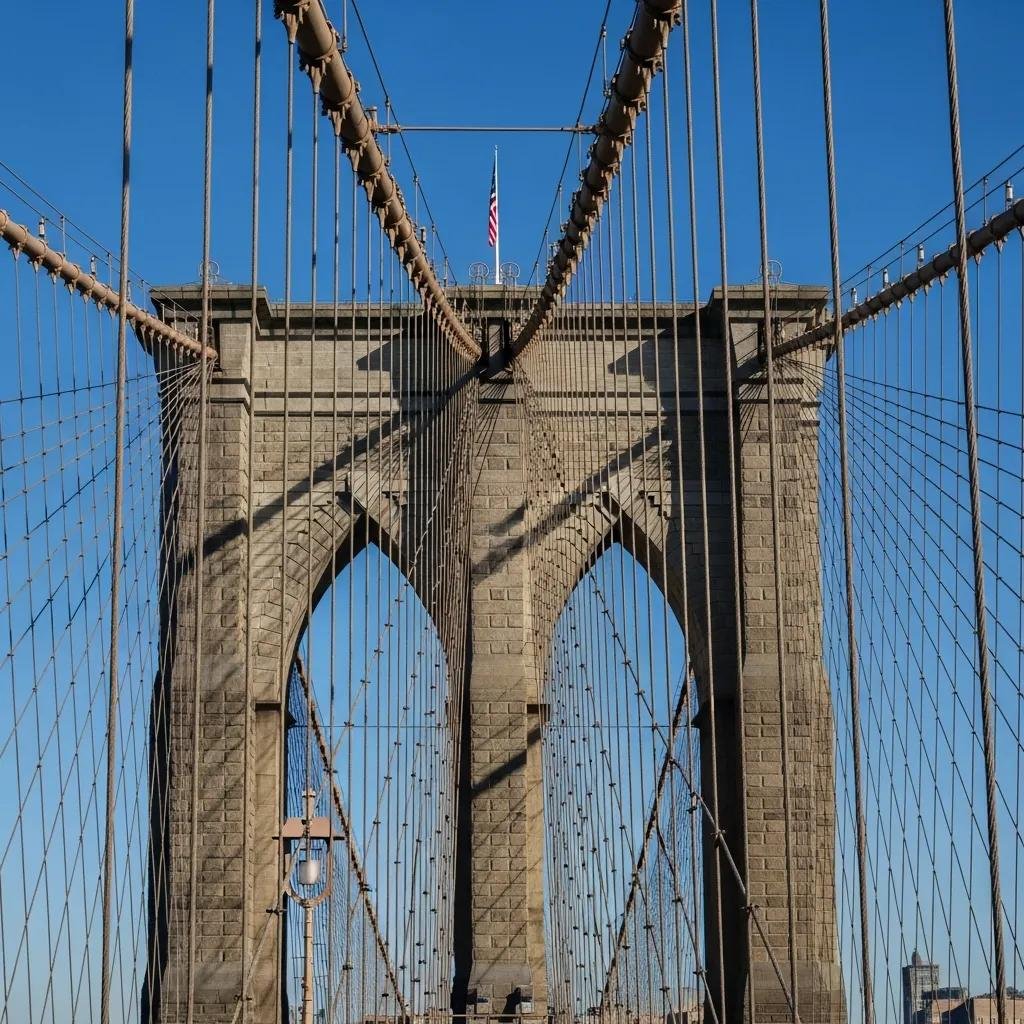
The Brooklyn Bridge features several key architectural elements that contribute to its grandeur. The two massive stone towers rise 276.5 feet above the water, providing a stunning backdrop for the bridge’s intricate design. The bridge spans 1,834 meters (6,016.5 feet), making it one of the longest suspension bridges in the world. Its unique combination of Gothic arches and steel cables not only enhances its aesthetic appeal but also ensures structural integrity. The bridge’s innovative design has inspired countless engineers and architects worldwide.
How Do You Plan and Prepare for a Brooklyn Bridge Walking Tour?
Planning a walking tour of the Brooklyn Bridge involves several key steps to ensure a smooth experience. First, consider the time of day you wish to visit, as this can affect both the crowd levels and the quality of your photos. Early mornings or late afternoons are often ideal for fewer crowds and better lighting. Next, choose a reputable tour provider that offers knowledgeable guides who can enhance your experience with historical insights and engaging stories.
For those looking for a free walking tour, NYC Free Tour provides an excellent option, allowing visitors to explore the bridge while learning about its history and significance. Be sure to wear comfortable shoes, as the walk can be lengthy, and bring water to stay hydrated.
Where Are the Meeting Points and What Is the Typical Tour Duration?
Meeting points for Brooklyn Bridge walking tours vary depending on the tour provider. Commonly, tours begin at the entrance to the bridge on the Manhattan side, near City Hall Park. The typical duration of a walking tour is around 1.5 to 2 hours, allowing ample time to explore the bridge and take in the views. Some tours may also include additional stops in Brooklyn, extending the overall experience.
Is the Brooklyn Bridge Walking Tour Free and How Does the Tip-Based Model Work?
Yes, the Brooklyn Bridge walking tour can be free, especially if you choose a tip-based model offered by companies like NYC Free Tour. This model allows visitors to pay what they feel the tour was worth, making it accessible to everyone. While the tour itself is free, it is customary to tip your guide based on the quality of the experience. A typical tip ranges from $10 to $20 per person, depending on your satisfaction.
What Should Visitors Expect During the Brooklyn Bridge Walking Tour Experience?
During the Brooklyn Bridge walking tour, visitors can expect a blend of stunning views, historical narratives, and engaging interactions with knowledgeable guides. The tour typically includes stops at key points along the bridge, where guides share fascinating stories about its construction, the challenges faced, and its cultural significance. Participants will also have the opportunity to take memorable photos against the backdrop of the Manhattan skyline and the East River.
How Do Tour Guides Enhance the Brooklyn Bridge Walking Tour?
Tour guides play a crucial role in enhancing the Brooklyn Bridge walking tour experience. Their expertise allows them to provide context and depth to the historical facts, making the tour more engaging. Guides often share personal anecdotes and lesser-known stories that bring the bridge’s history to life. This interaction not only enriches the visitor experience but also fosters a deeper appreciation for the landmark.
Who Are the Expert Local Guides and What Is Their Role?
Local guides are typically individuals with a strong background in history, architecture, or tourism. They are passionate about sharing their knowledge of the Brooklyn Bridge and New York City. Their role extends beyond merely leading the tour; they act as storytellers, weaving together the bridge’s history with the broader narrative of the city. This expertise ensures that visitors leave with a comprehensive understanding of the bridge’s significance.
How Do Guides Provide Historical and Cultural Narratives During the Tour?
Guides utilize various storytelling techniques to convey the historical and cultural narratives of the Brooklyn Bridge. They often incorporate visual aids, such as historical photographs and maps, to illustrate key points. Additionally, guides may engage visitors with questions and discussions, encouraging interaction and making the experience more memorable. This approach not only informs but also captivates the audience, ensuring that the stories resonate long after the tour ends.
The importance of a guide’s ability to blend entertainment with education is further highlighted by research into urban walking tours.
Enhancing Urban Walking Tours: Guide Storytelling & Cultural Education
Through walking and talking, tour guides weave together an array of stories and facts in order to re-produce varied urban cultures and local histories. The practices of these ‘cultural intermediaries’ must at once be entertaining as well as educational, and are set within a rich urban context that is itself increasing in commercialization and homogenization.
Guiding practices: Storytelling tricks for reproducing the urban landscape, JR Wynn, 1990
What Safety and Accessibility Tips Should Visitors Know for the Brooklyn Bridge Walking Tour?
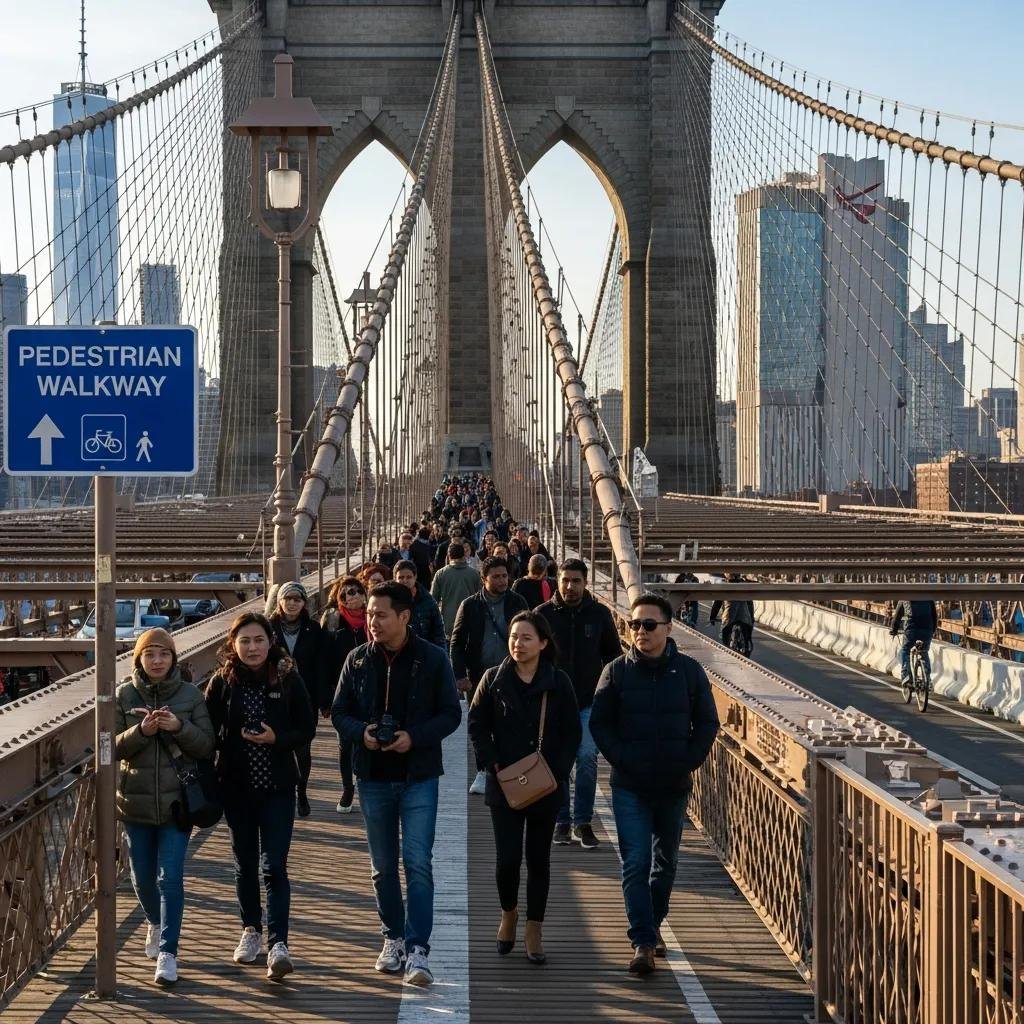
Safety and accessibility are important considerations for anyone planning to walk the Brooklyn Bridge. Visitors should be aware of the pedestrian path, which is separate from vehicle traffic, ensuring a safer experience. It is advisable to stay within designated walking areas and be cautious of cyclists who share the path.
What Are the Recommended Safety Guidelines for Walking the Brooklyn Bridge?
- Stay on the Pedestrian Path: Always walk on the designated pedestrian walkway to avoid accidents.
- Be Aware of Cyclists: The bridge is also used by cyclists, so be mindful of your surroundings.
- Avoid Distractions: Keep your phone away while walking to maintain awareness of your surroundings.
Is the Pedestrian Path Accessible for All Visitors?
The pedestrian path of the Brooklyn Bridge is generally accessible for all visitors, including those with mobility challenges. The bridge features ramps and designated areas for easier access. However, it is advisable to check for any temporary closures or maintenance work that may affect accessibility on the day of your visit.
How Can You Book and Maximize Your Brooklyn Bridge Walking Tour Experience?
Booking a walking tour of the Brooklyn Bridge is straightforward, with several options available online. Many tour providers offer easy online booking systems, allowing you to secure your spot in advance. To maximize your experience, consider the following tips:
- Research Tour Options: Look for tours that align with your interests, whether historical, architectural, or cultural.
- Read Reviews: Check reviews from previous participants to gauge the quality of the tour and the guide.
- Arrive Early: Arriving at the meeting point early ensures you have time to settle in and ask any last-minute questions.
What Are the Booking Procedures and How to Secure Your Spot?
- Visit the Tour Provider’s Website: Navigate to the booking section.
- Select Your Tour Date and Time: Choose a date and time that fits your schedule.
- Complete the Payment Process: Provide your payment information to secure your booking.
- Receive Confirmation: After booking, you will receive a confirmation email with details about the meeting point and time.
What Are Practical Tips to Enhance Your Tour and Support Your Guide?
- Dress Comfortably: Wear comfortable shoes and clothing suitable for walking.
- Bring a Camera: Capture the stunning views and memorable moments during the tour.
- Engage with Your Guide: Ask questions and participate in discussions to enrich your experience.
Different aspects of the Brooklyn Bridge walking tour can be compared to help visitors understand what to expect.
| Aspect | Description | Value |
|---|---|---|
| Tour Type | Guided vs. Self-Guided | Enhanced experience with guides |
| Duration | Typical tour length | 1.5 to 2 hours |
| Cost | Free with tips | Affordable and accessible |
This table illustrates how guided tours can provide a more enriching experience compared to self-guided options, emphasizing the value of expert insights.
What Are the Best Times to Walk the Brooklyn Bridge for Optimal Views and Comfort?
The best times to walk the Brooklyn Bridge for optimal views and comfort are during early mornings or late afternoons. These times typically offer fewer crowds and better lighting for photography. Additionally, visiting during weekdays can help avoid the weekend rush, allowing for a more enjoyable experience.
Which Photography Spots and Landmarks Can You See Along the Pedestrian Path?
The Brooklyn Bridge offers numerous photography spots and landmarks that enhance the visual experience. Key locations include:
- The Bridge Towers: Capture the iconic Gothic-style towers from various angles.
- Manhattan Skyline: The view of the skyline from the bridge is breathtaking, especially at sunset.
- DUMBO: The area beneath the Manhattan Bridge provides a unique perspective of both bridges.
These spots are perfect for capturing memorable photos that showcase the beauty of the Brooklyn Bridge and its surroundings.